The Nine Emperor Gods Festival

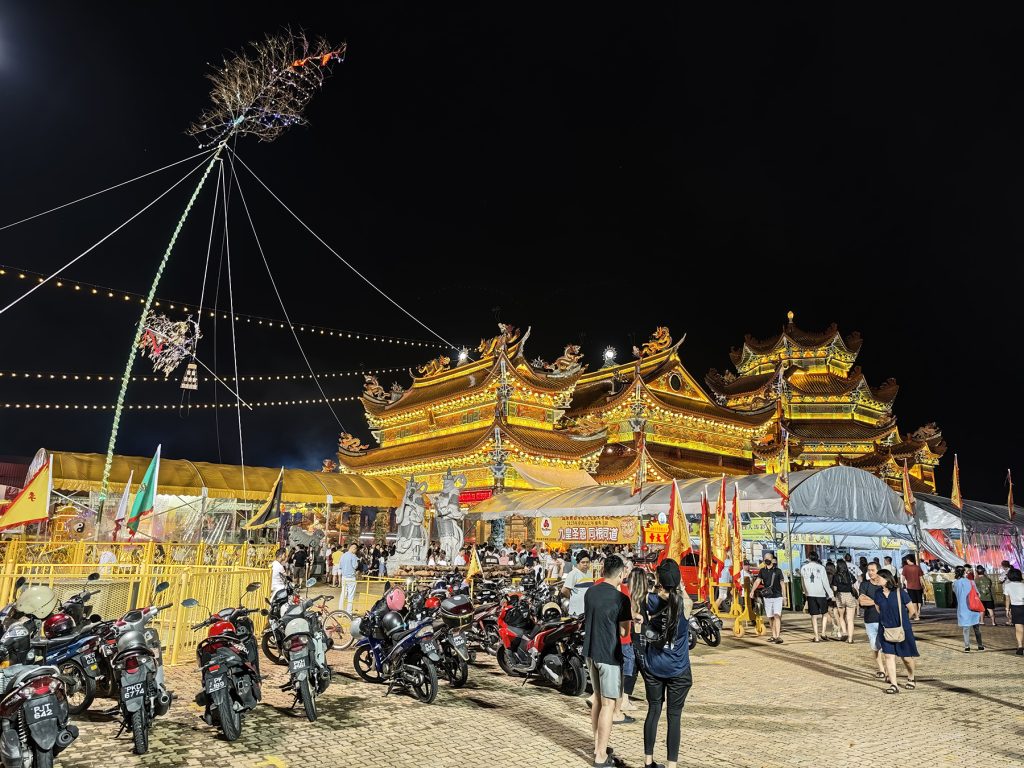
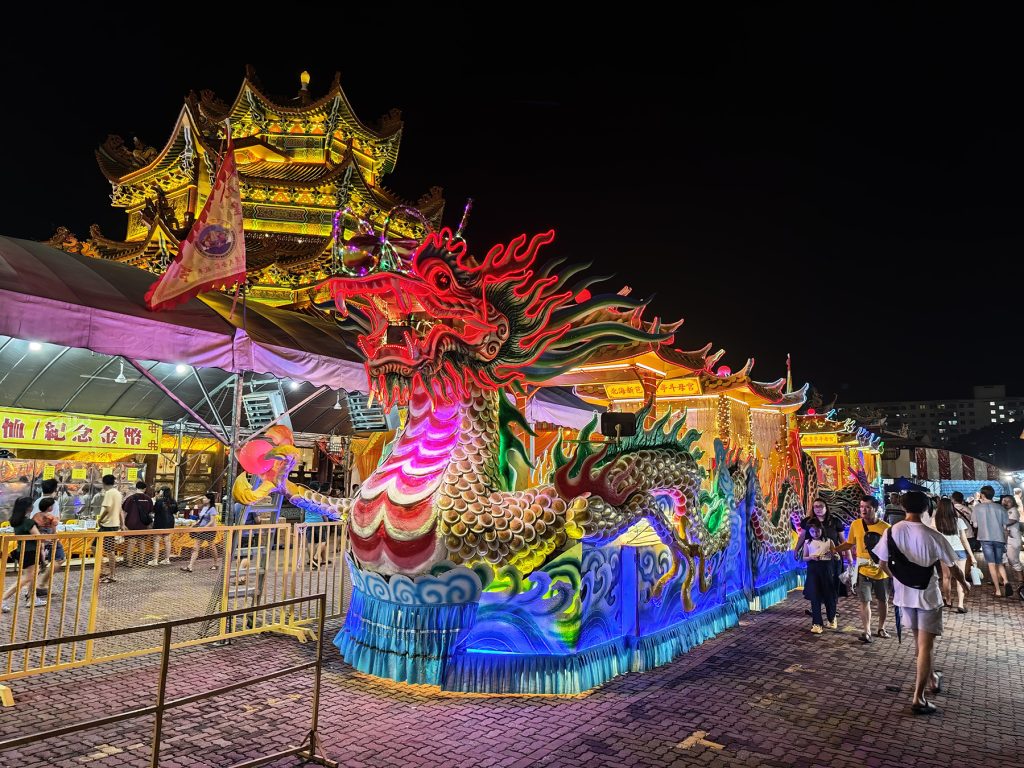
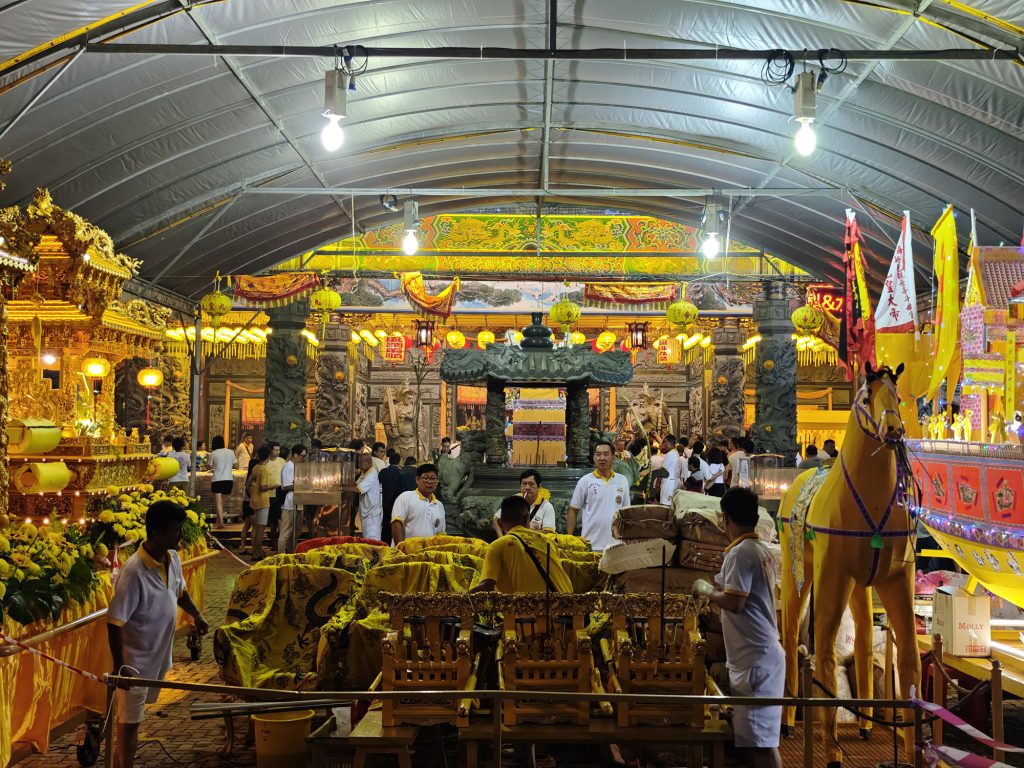
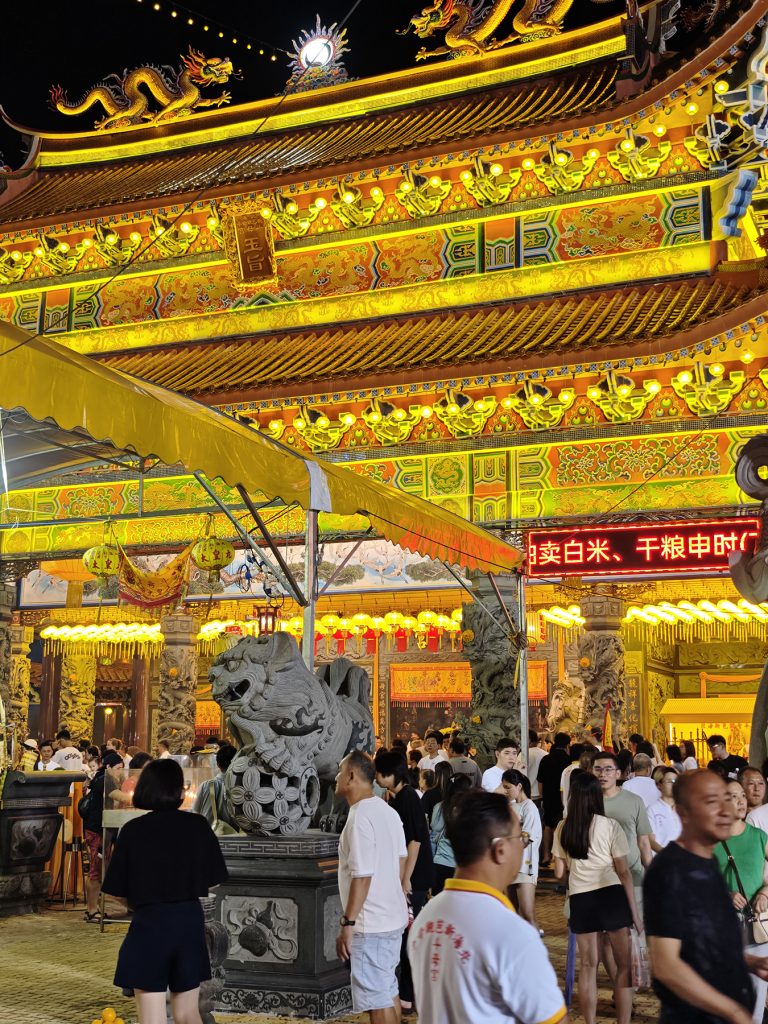
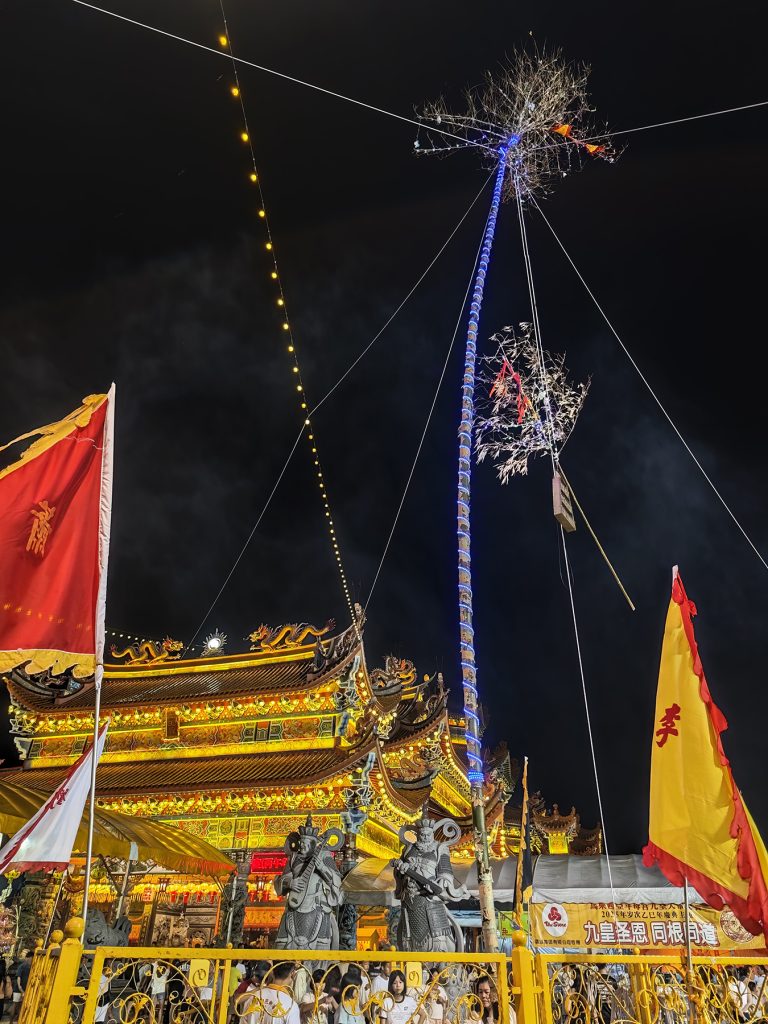
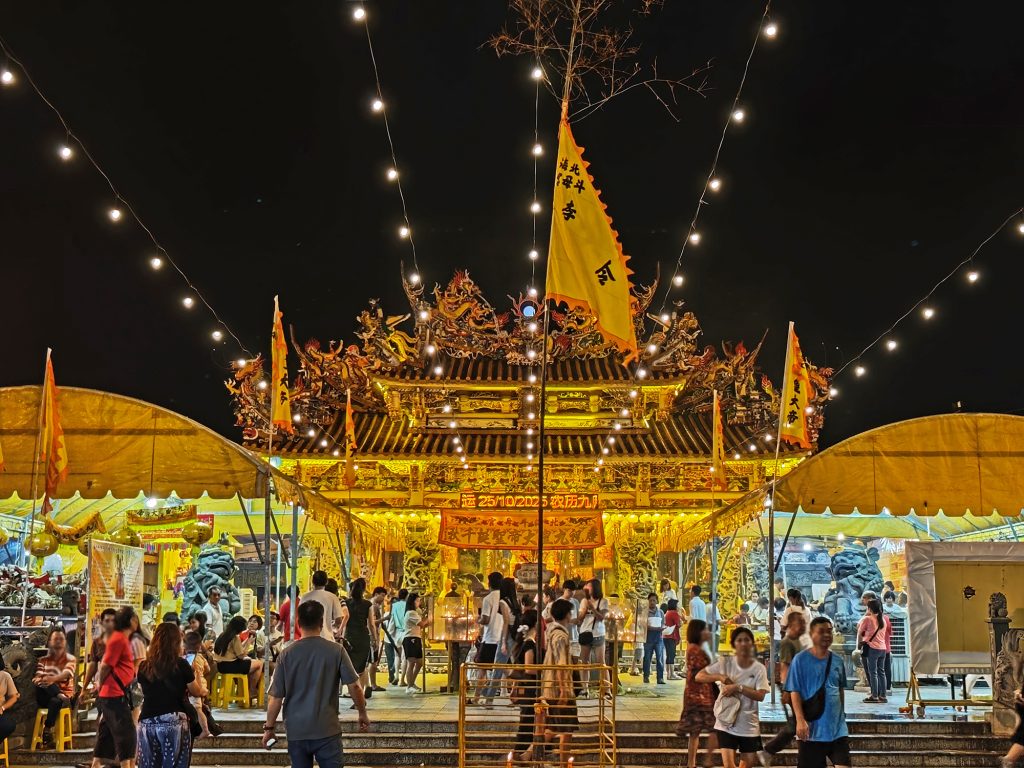
The Nine Emperor Gods Festival is a major Taoist celebration held during the ninth lunar month, honoring nine deities believed to control the movements of planets and bring good fortune. In Penang, especially at temples like Tow Boo Kong in Raja Uda, the festival is marked by vibrant rituals, long processions, vegetarian food offerings, and the lighting of massive incense sticks. Devotees often observe a nine-day vegetarian diet as an act of purification and devotion. The celebration is both spiritual and cultural, filling the streets with color, music, and prayers.

The Nine Emperor Gods Festival is steeped in legend and ancient Chinese cosmology. According to Taoist belief, the Nine Emperor Gods (known as Jiuhuang Dadi) are celestial beings representing the nine sons of Dou Mu, the Goddess of the North Star, who governs the universe and controls the life and death of mortals.

One of the most popular legends tells that the festival originated during China’s Qing Dynasty, when a secret society of devotees prayed to the Nine Emperors for protection against oppression. When the prayers were answered, the people began holding annual rituals to honor the gods.

During the festival, devotees welcome the gods on the eve of the ninth lunar month with a ceremonial procession to the sea or river, believed to be the portal through which the deities descend to Earth. After nine days of prayers, offerings, and vegetarian observance, the gods are sent back to the heavens through another water procession.

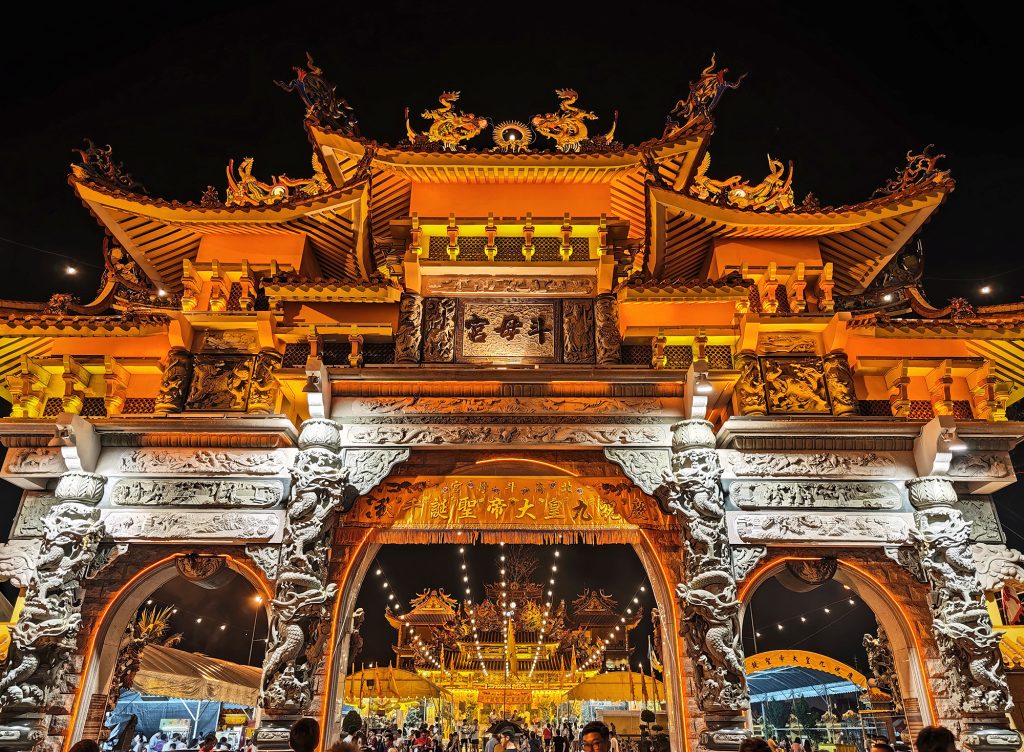
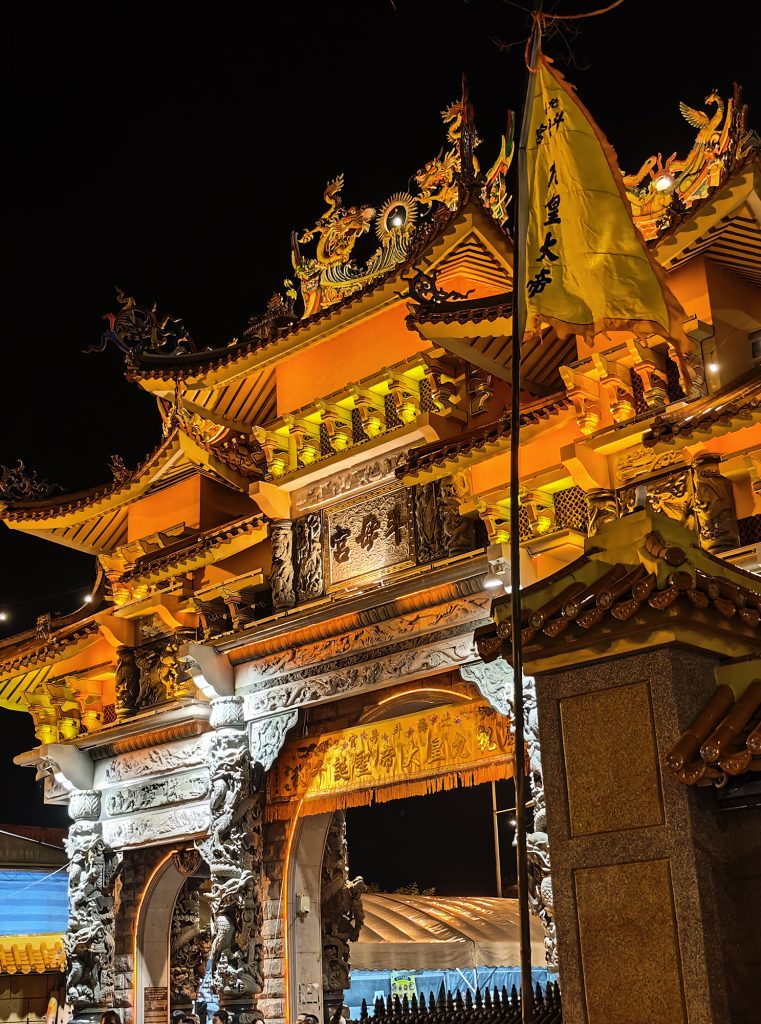
Tow Boo Kong Temple (Nine Emperor Gods)

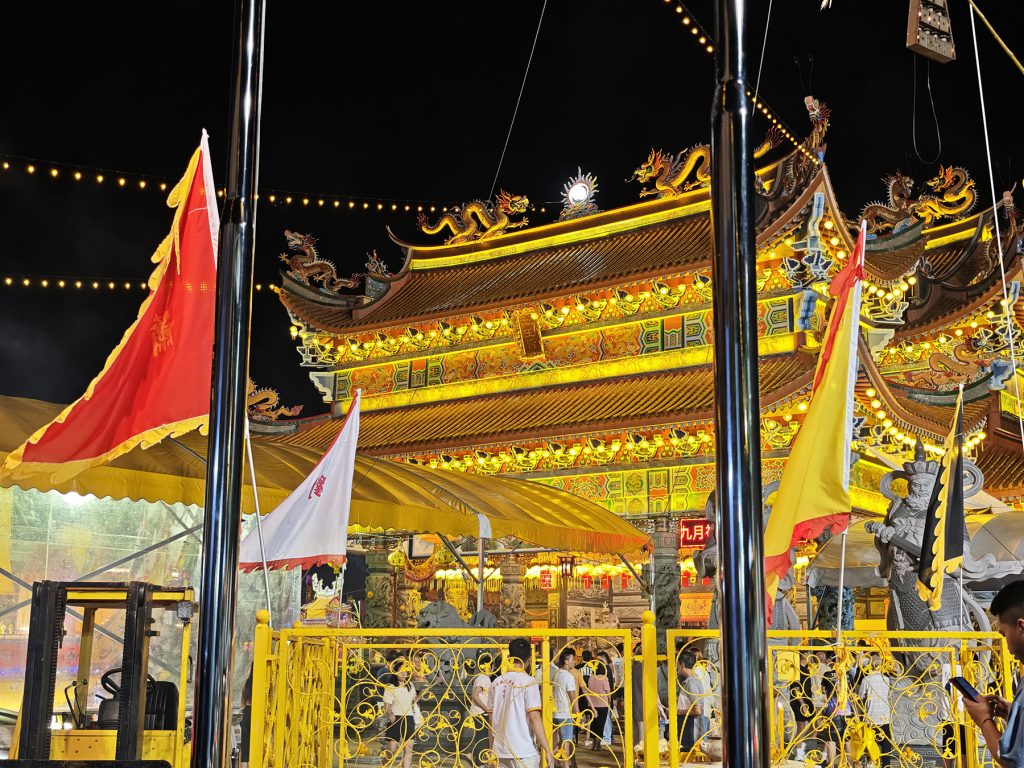
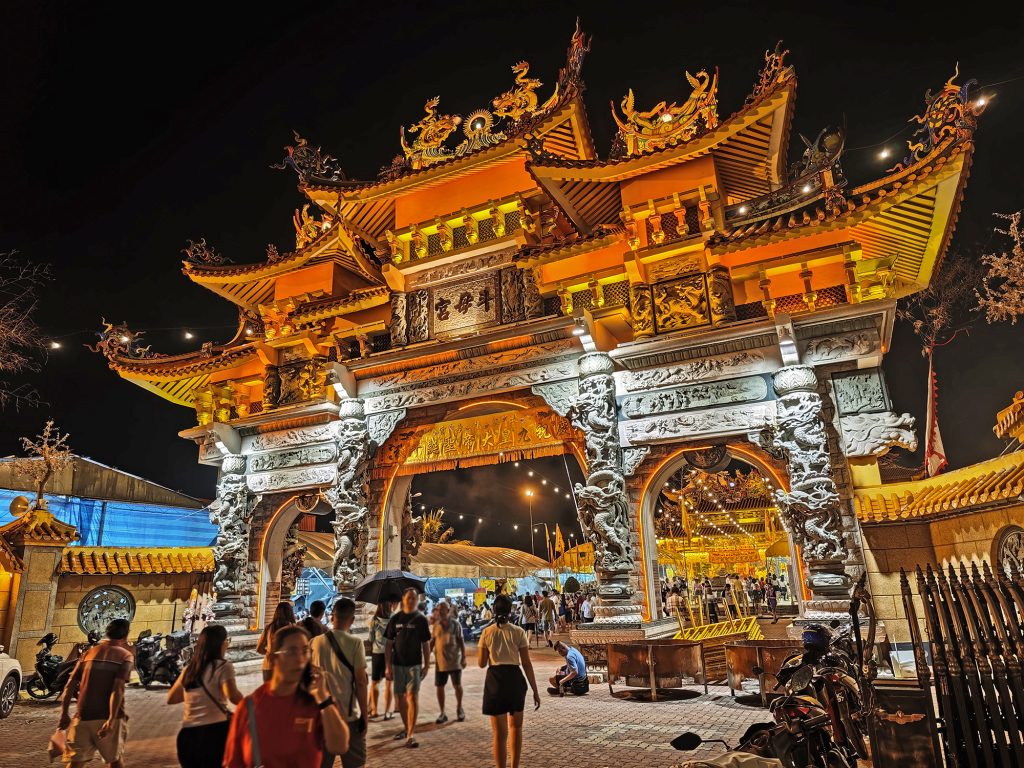
The Tow Boo Kong Temple in Raja Uda, Butterworth, is one of Penang’s largest and most impressive Taoist temples, dedicated to the Nine Emperor Gods. What began as a small shrine in the 1970s has grown into a grand complex featuring ornate dragon pillars, intricate carvings, and a beautifully landscaped courtyard. The temple becomes especially lively during the Nine Emperor Gods Festival in the ninth lunar month, drawing thousands of devotees and visitors for prayers, processions, and cultural performances that fill the streets with color and devotion.

Armenian Street View at Night

Despite its name, Armenian Street (Lebuh Armenian) was not originally settled by Armenians. It was named after the small Armenian community that once lived there in the early 1800s, who were influential traders and philanthropists in Penang. Interestingly, the famous Eastern & Oriental Hotel was founded by the Armenian Sarkies Brothers, who also established Singapore’s Raffles Hotel.

Today, the street is a UNESCO heritage hotspot known for its murals, cafes, and historic shophouses.
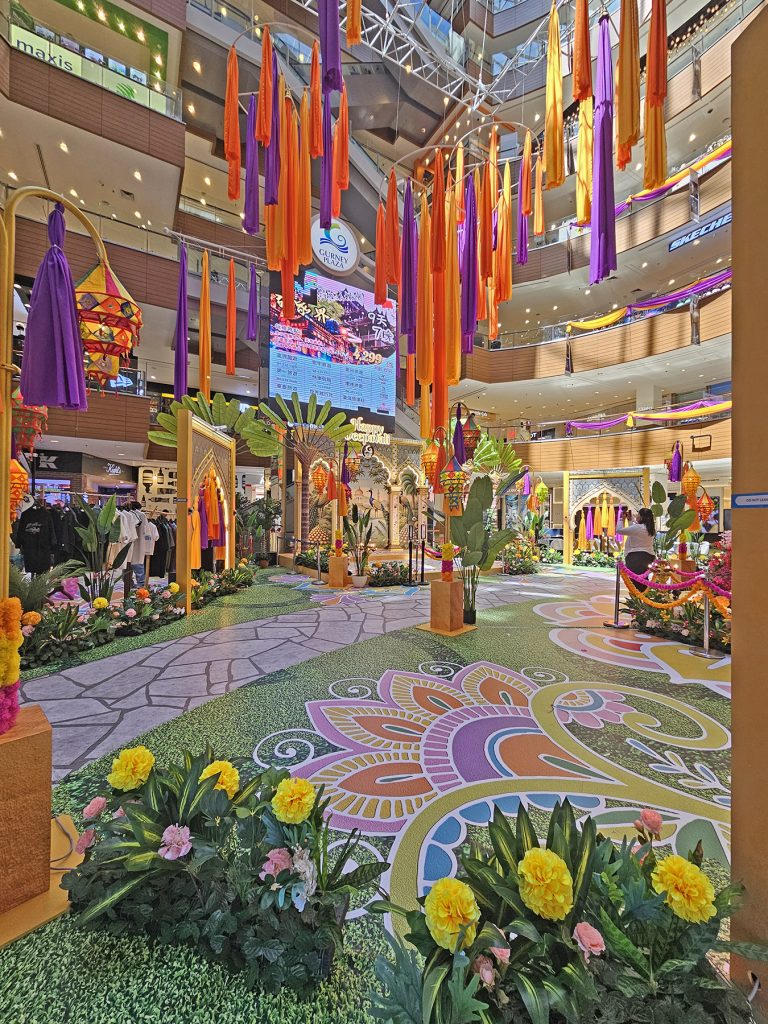
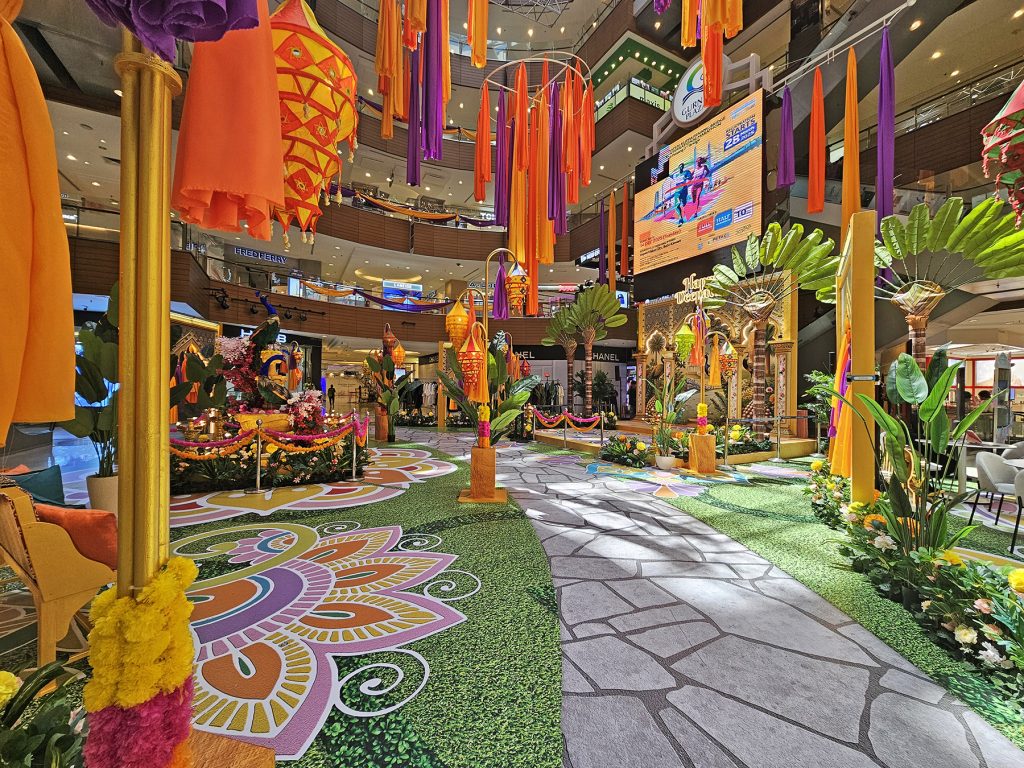
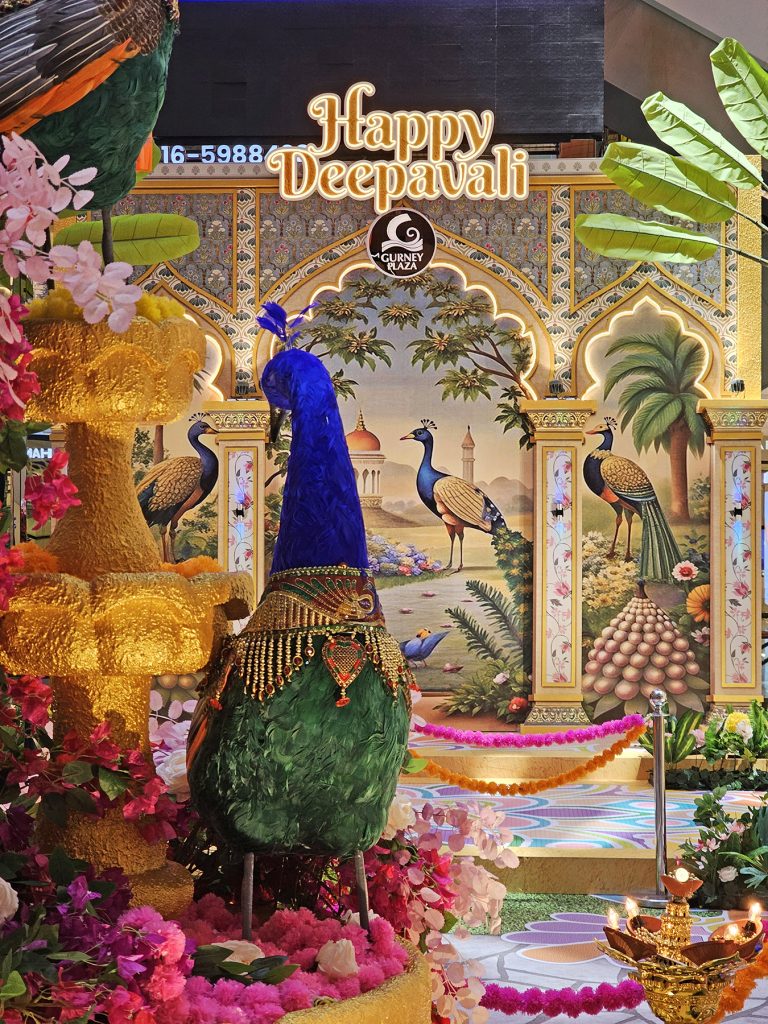
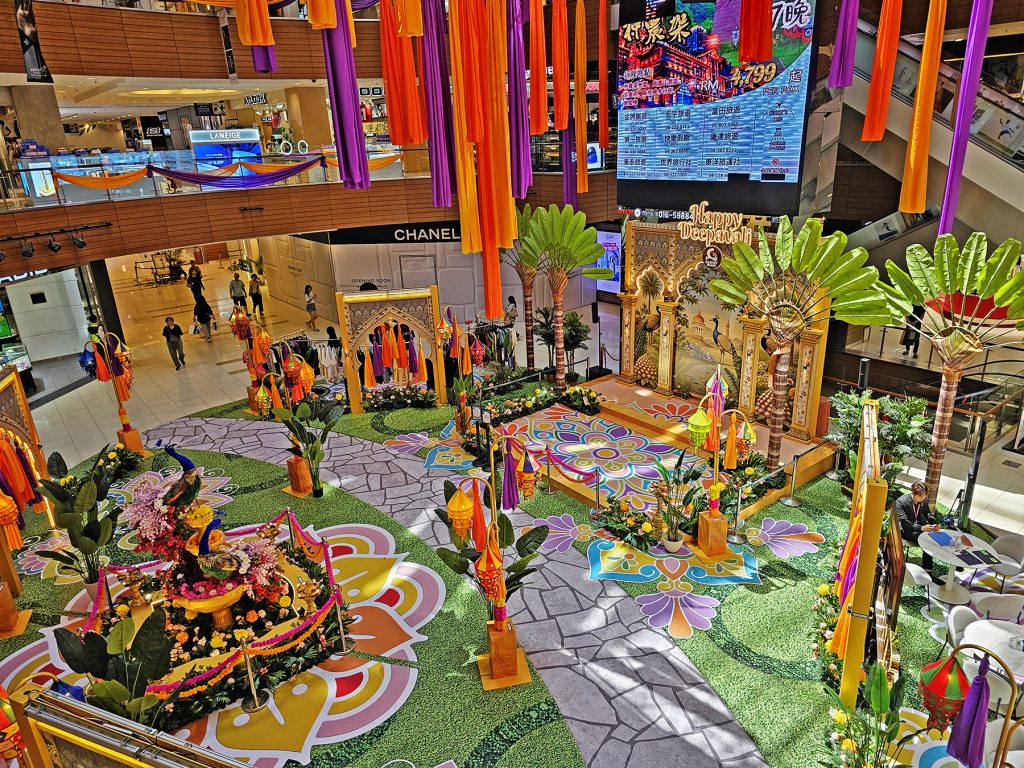
Gurney Plaza Mall : Deepavali Festive Decorations 2025

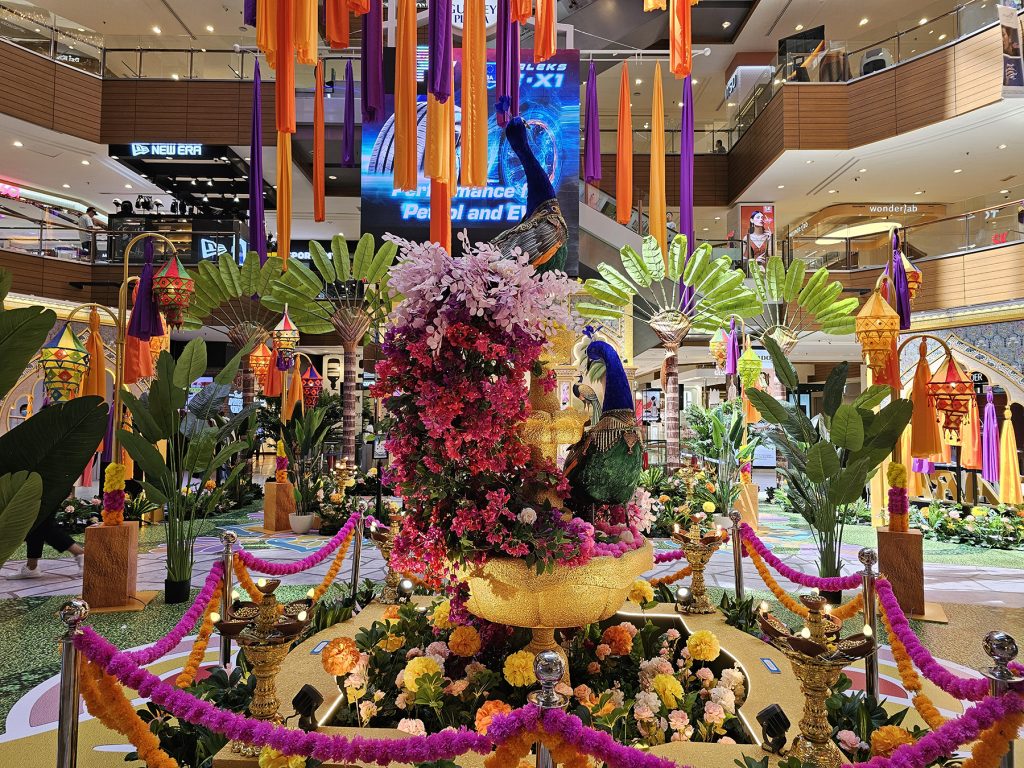
Gurney Plaza celebrates Deepavali 2025 with its vibrant “A Joyous Deepavali” theme, featuring colourful decorations like a giant peacock, intricate kolam designs, and glowing lanterns that light up the main atrium. Visitors can enjoy cultural performances, including a Sitar and Tabla recital by the Temple of Fine Arts while shoppers who spent a certain amount can redeem exclusive Deepavali packets during the month of October.

Wisma Kastam (formerly the Malayan Railway Building)

Wisma Kastam (formerly the Malayan Railway Building), was completed in 1909 in George Town, Penang, and designed in Edwardian Baroque style by the British architect Arthur Benison Hubback. Though it was built as a railway terminus, it never housed any actual train tracks—passengers would come to the station, then take a ferry across to Butterworth instead.

Over time, it served many functions: offices, a clock tower, customs building, waiting hall, and more. Because of its utilitarian role without actual rail lines, locals refer to it as a “ghost station.” It has now been granted Grade I heritage status and is under new leaseholders, with efforts to preserve its architecture and legacy.

The building is located along China Street Ghaut, and is also known as the “Big Ben” of Penang.

Queensbay Mall : Deepavali Festive Decorations 2025

Queensbay Mall is celebrating Deepavali 2025 with its Radiance of Lights theme, transforming the central atrium into a vibrant tribute to the Konark Sun Temple. The space is beautifully decorated with glowing elephants, golden lotus flowers, and garden-inspired displays, creating a warm festive atmosphere. Visitors can also enjoy cultural performances like Odissi dance and Silambam, along with family activities such as rangoli contests and card-making workshops; making the festival a perfect blend of shopping, tradition, and celebration.

Penang Street Art (Love Our Turtles)

In the heart of George Town, a new mural at Armenian Street has turned heads while spreading an important message — “Love Our Turtles”. Launched as part of a month-long campaign (Aug 15 – Sept 14, 2025) by the IKHTIAR Foundation and proudly sponsored by ecoBrown’s, the artwork blends Penang’s cultural vibrancy with a call to protect endangered sea turtles and our oceans. More than just street art, this mural is part of a larger conservation movement, reminding visitors and locals alike that preserving marine life is as vital as celebrating heritage. The artwork is located just across the “Children on Bicycle” mural.
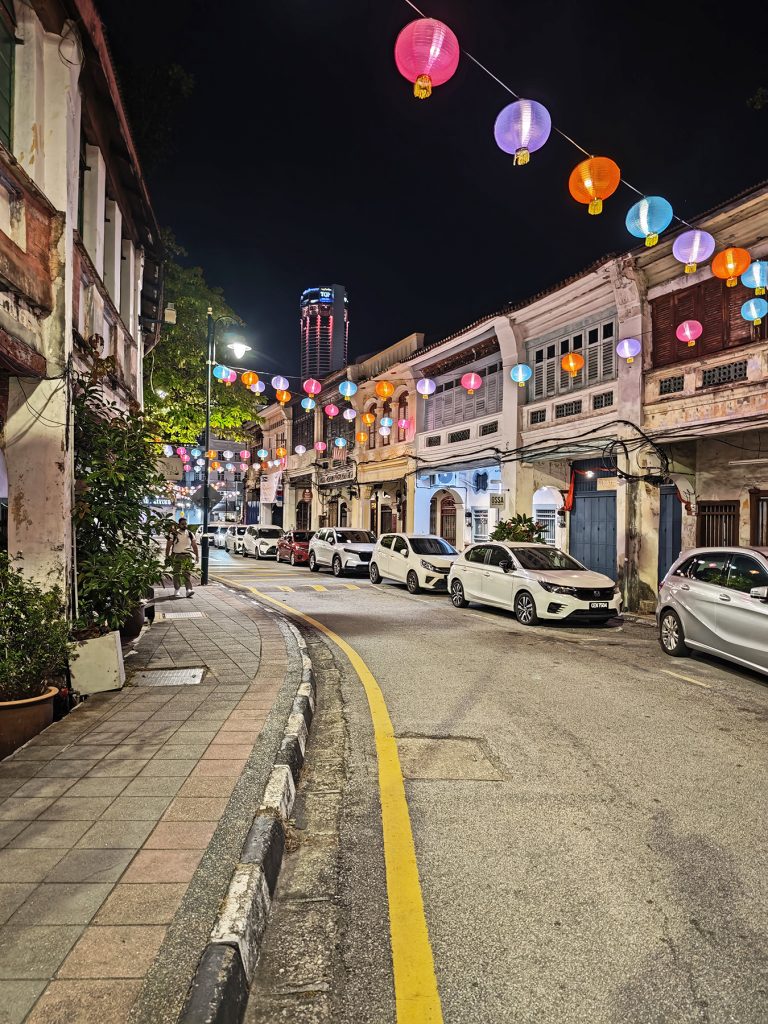
Mid-Autumn Lantern Festival 2025 @ Armenian Park

Armenian Park (in George Town) was transformed into a vibrant lantern wonderland during the Pesta Tanglung Tanjong 2025 Mid-Autumn Festival, with glowing lanterns, floral displays, and colourful arches making it a photogenic hotspot. Visitors flocked to the park with phones ready “selfies” or “wefies”, capturing the festive lights and decorative installations.

The atmosphere combined traditional elements (lanterns, mooncake vibes) with modern street festivity, creating a communal space of warmth, visual delight, and cultural celebration.

Penang Isle : Fort Cornwallis Moat at Night

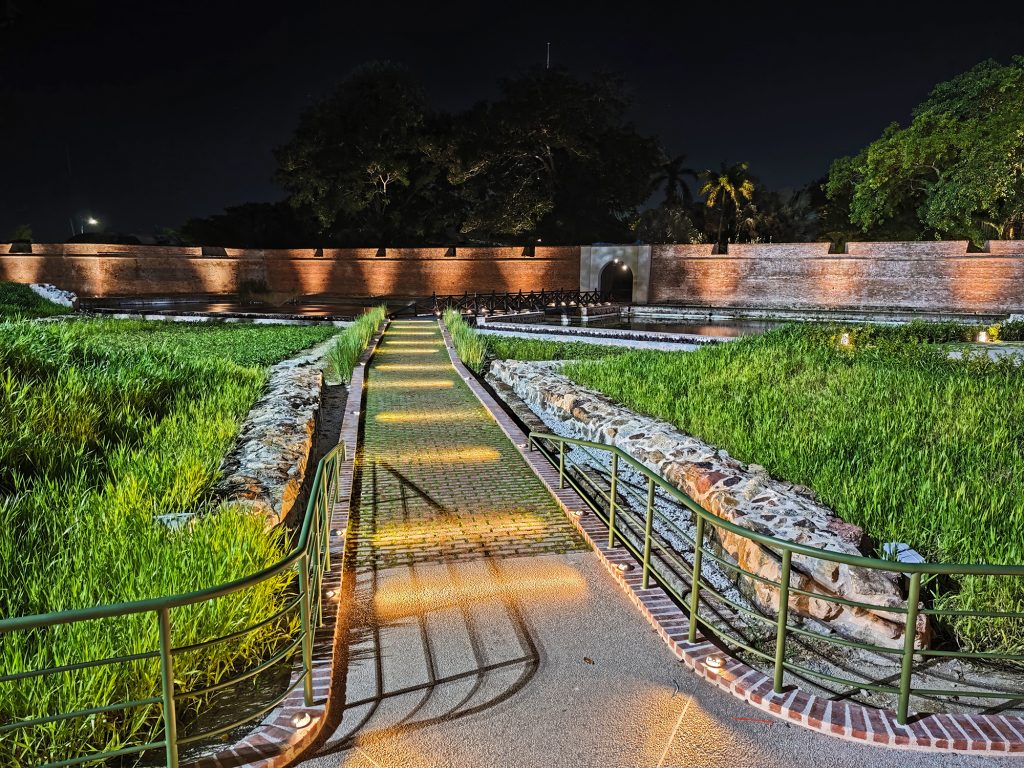
The newly restored western and southern moat at Fort Cornwallis at night. Together, both moats will form a water basin covering about 4,000 m², about 0.9 m deep, and holding roughly 3,600 cubic metres of water.  The restoration uses traditional construction methods, with features like mechanical sand filters and bio-retention swales built into the design for ecological health and long-term stability.  The project is part of Penang’s North Seafront Improvement Programme, with funding from the state government and partners like Think City and Yayasan Hasanah.