Butterworth Raja Uda: Tow Boo Kong Temple (Nine Emperor Gods)

The Nine Emperor Gods Festival (九皇爷诞) returned to Penang from 10 to 18 October 2026, bringing nine days of Taoist religious ceremonies, temple processions and vegetarian food stalls across the state. Devotees observe a strict vegetarian diet, often wearing white, while temples fill with the sounds of chanting, drums and prayers to honour the Nine Emperor Gods.

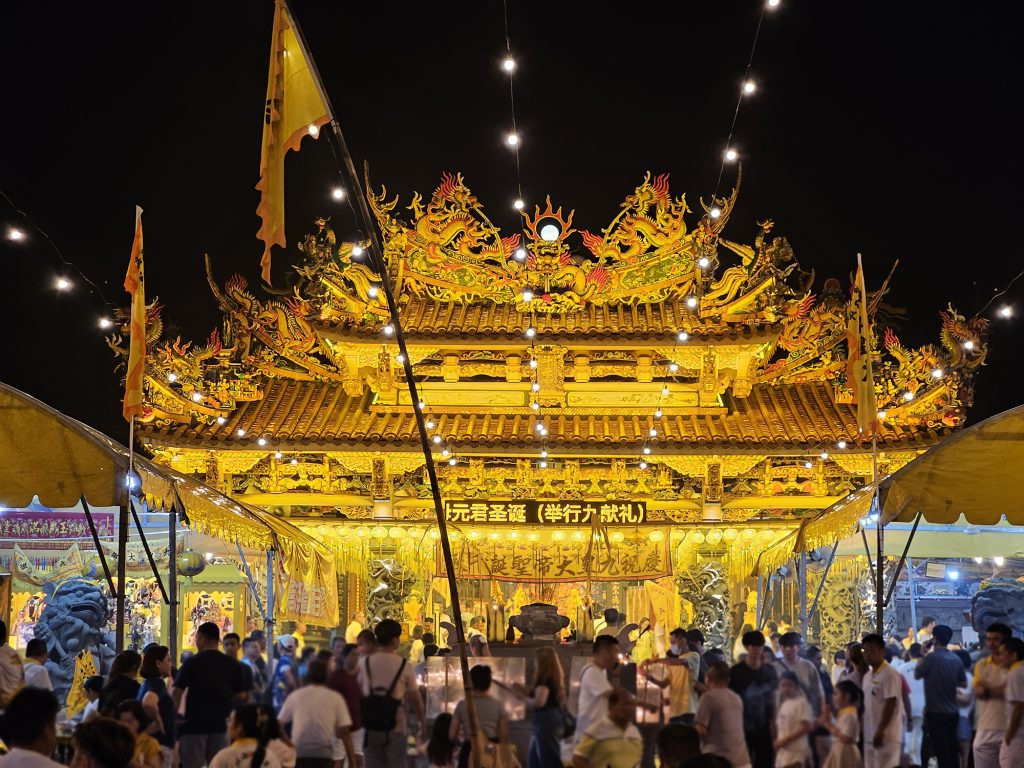
One of the main centres of celebration is Tow Boo Kong Temple in Butterworth, where the festivities culminate in a ceremonial procession to send the deities back to the sea. During the annual Nine Emperor Gods Festival, the temple comes alive with religious ceremonies, processions and vegetarian food stalls. Its illuminated decorations and vibrant festive atmosphere make it a worthwhile stop for visitors exploring Penang’s Chinese religious traditions and cultural heritage.

The festival’s origins are linked to ancient Chinese beliefs surrounding the nine stars of the Northern Dipper, although different communities preserve their own versions of the legend. One popular account tells of the Nine Emperor Gods descending from the heavens to bless devotees with protection, peace and good fortune. For visitors, this annual celebration offers a fascinating opportunity to experience Penang’s living Chinese religious traditions and sample the wide variety of vegetarian dishes available at stalls marked by yellow flags.
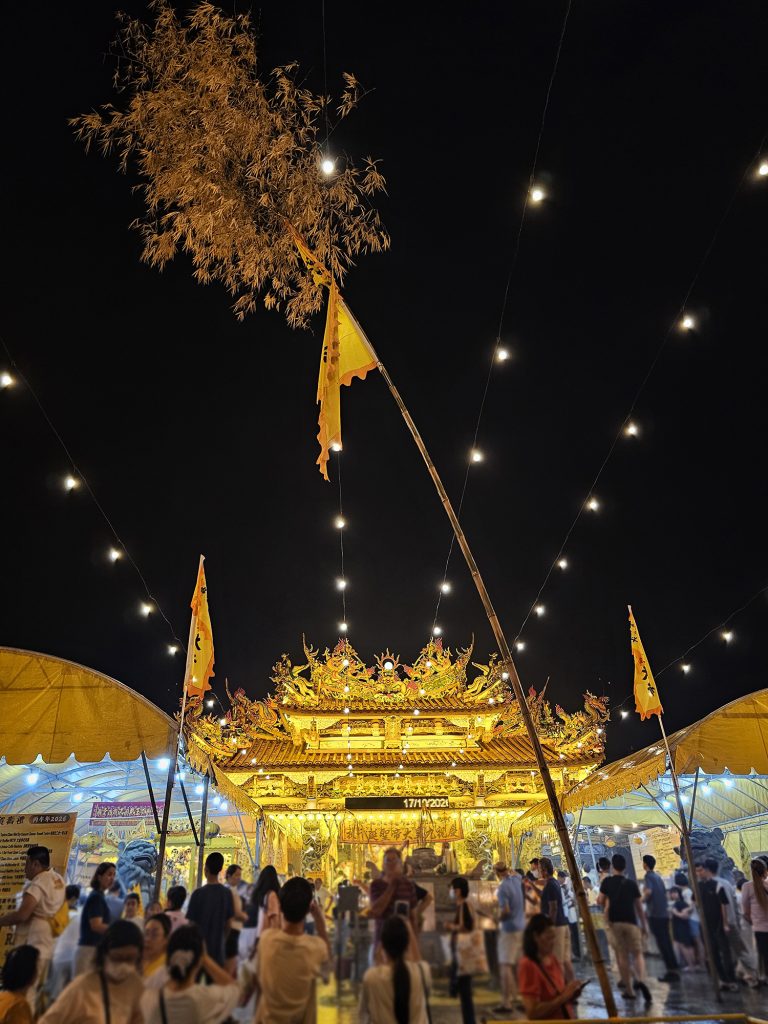
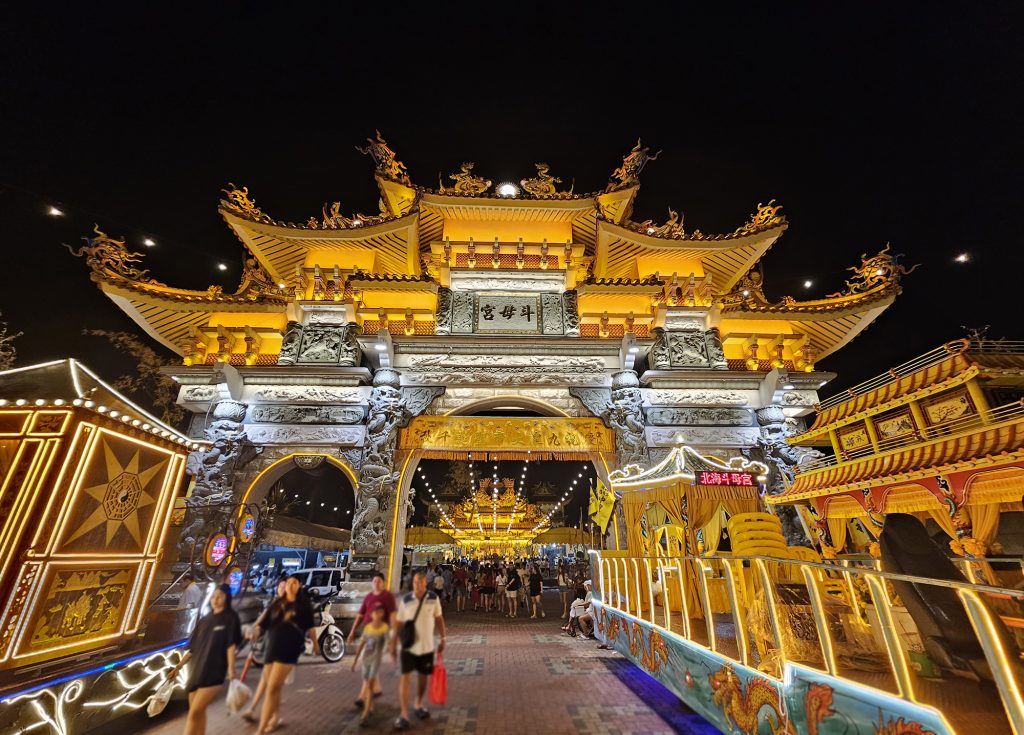
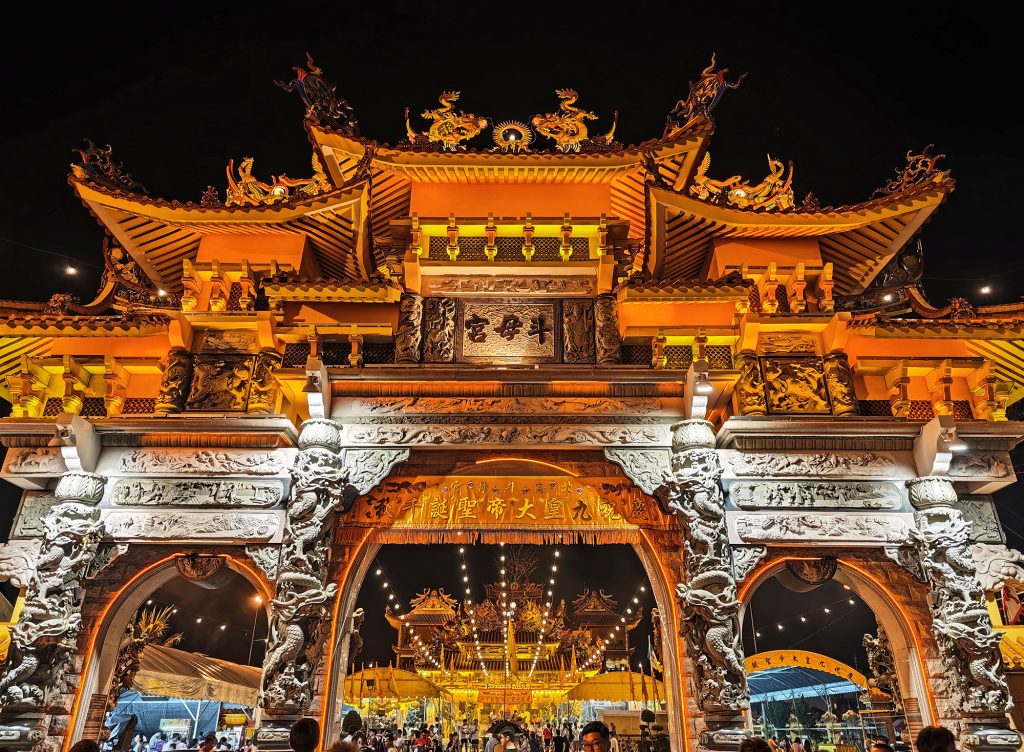
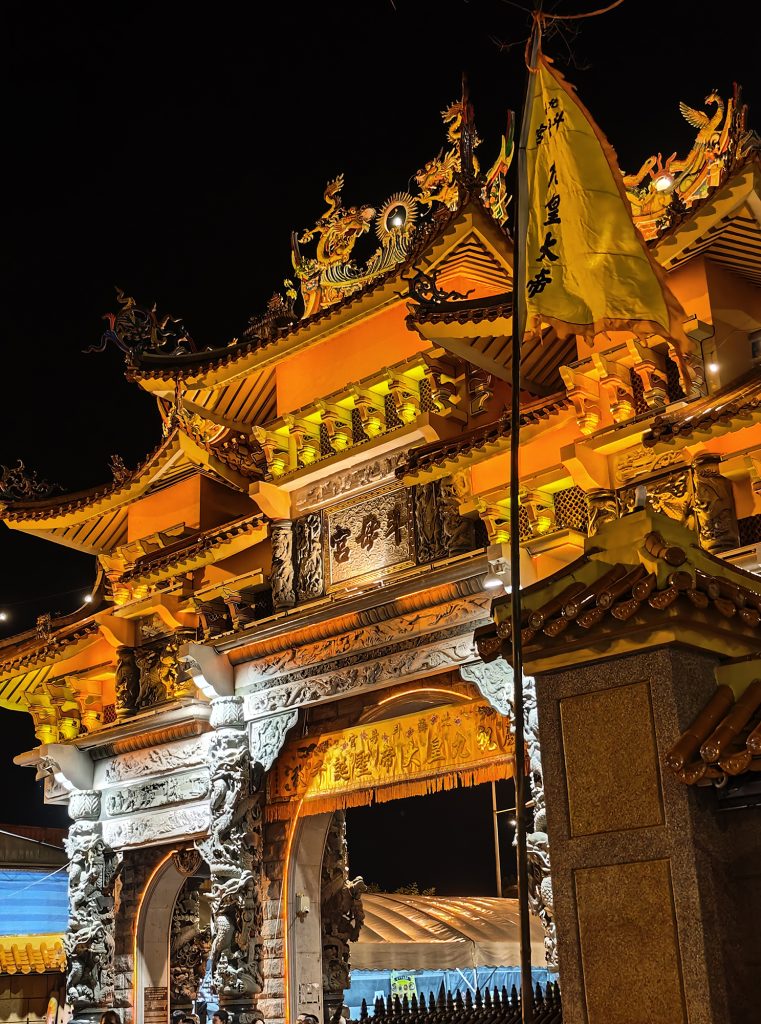
Tow Boo Kong Temple, Raja Uda, Butterworth, is a prominent temple dedicated to the Nine Emperor Gods, known for its ornate architecture, colourful murals, intricate dragon carvings and impressive prayer halls. During the annual Nine Emperor Gods Festival, the temple comes alive with religious ceremonies, processions and vegetarian food stalls. Its illuminated decorations and vibrant festive atmosphere make it a worthwhile stop for visitors exploring Penang’s Chinese religious traditions and cultural heritage.
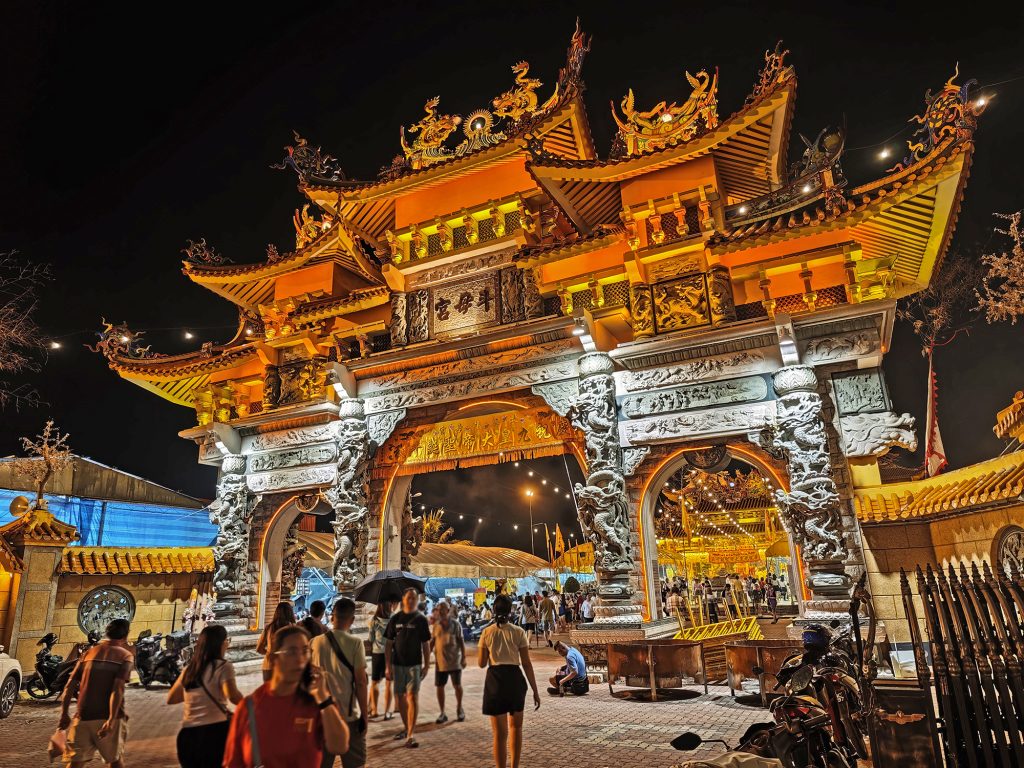
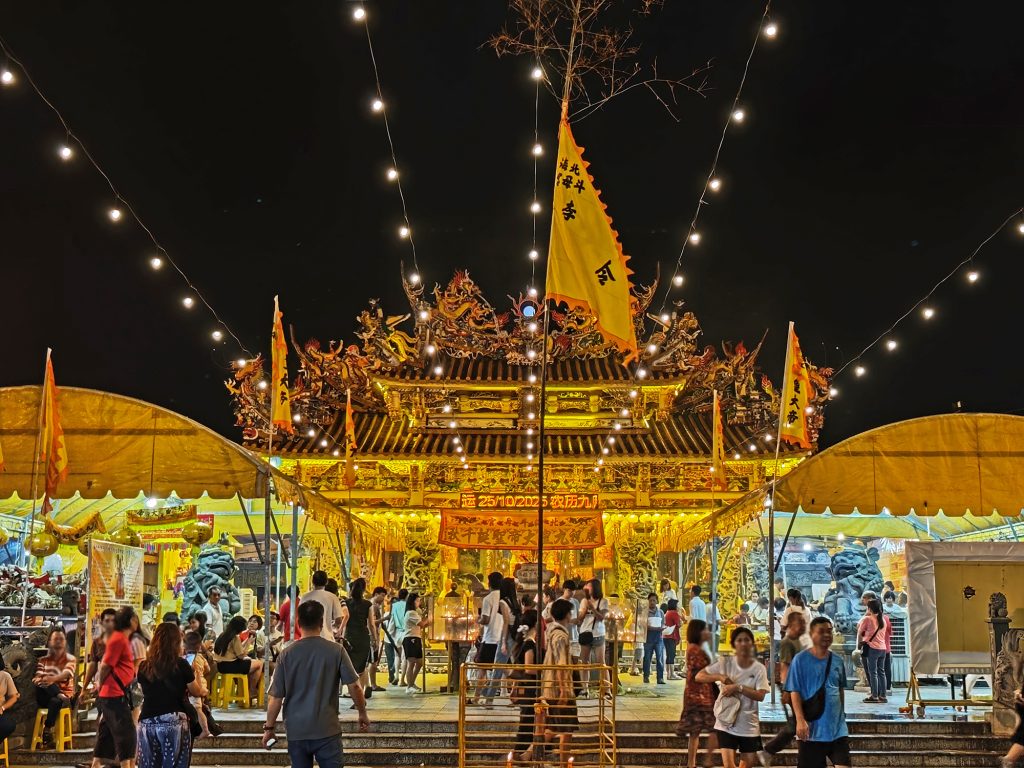
Tow Boo Kong Temple (Nine Emperor Gods)

The Tow Boo Kong Temple in Raja Uda, Butterworth, is one of Penang’s largest and most impressive Taoist temples, dedicated to the Nine Emperor Gods. What began as a small shrine in the 1970s has grown into a grand complex featuring ornate dragon pillars, intricate carvings, and a beautifully landscaped courtyard. The temple becomes especially lively during the Nine Emperor Gods Festival in the ninth lunar month, drawing thousands of devotees and visitors for prayers, processions, and cultural performances that fill the streets with color and devotion.

The Nine Emperor Gods’ Temple

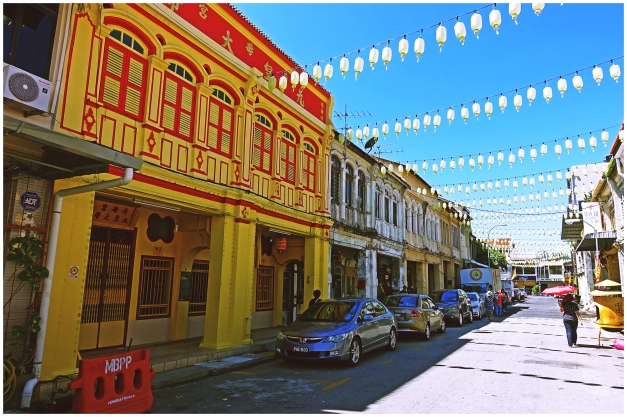
This old The Nine Emperor Gods Temple (a townhouse painted in yellow) is located at Cheong Fatt Tze Street, George Town.

Primarily observed by the local Chinese, the Nine Emperor Gods Festival is a 9-days Taoist celebration beginning on the eve of 9th lunar month of the Chinese calendar. This year’s celebration will be ending on the 17th October. During a 9-days period, devotees will be observing a strict vegetarian diet.

“The festival is dedicated to the nine sons of Dou Mu, the Goddess of the North Star, who is believed to control the Books of Life and Death. Devotees believe the deities arrive through the waterway and processions are usually held from temples to the river or seashore as a symbolic gesture.”

Macallum Street Ghaut: Nine Emperor Gods’ Temple

The Nine Emperor Gods’ Temple at Macallum Street Ghaut, George Town.

Primarily observed by the local Chinese, the Nine Emperor Gods Festival is a 9-days Taoist celebration beginning on the eve of 9th lunar month of the Chinese calendar. This year’s celebration started last week and today is the last day. During this 9-days period, devotees will be observing a strict vegetarian diet. It was said that it usually rains on the last day of this festival.

Penang Mainland: Temple of the Nine Emperor Gods

The Tow Boo Kong temple is a temple worshiping the Nine Emperors Gods which is located at Raja Uda, Butterworth, Penang. The remarkably distinctive temple is a beautiful sight as the temple is intricately adorned with mythical Chinese carvings outside and within the temple courtyard.