


There are times when I just wander alone in these forests, surrounded by the towering trees and lush green sight.
There are times when I just wander alone in these forests, surrounded by the towering trees and lush green sight.

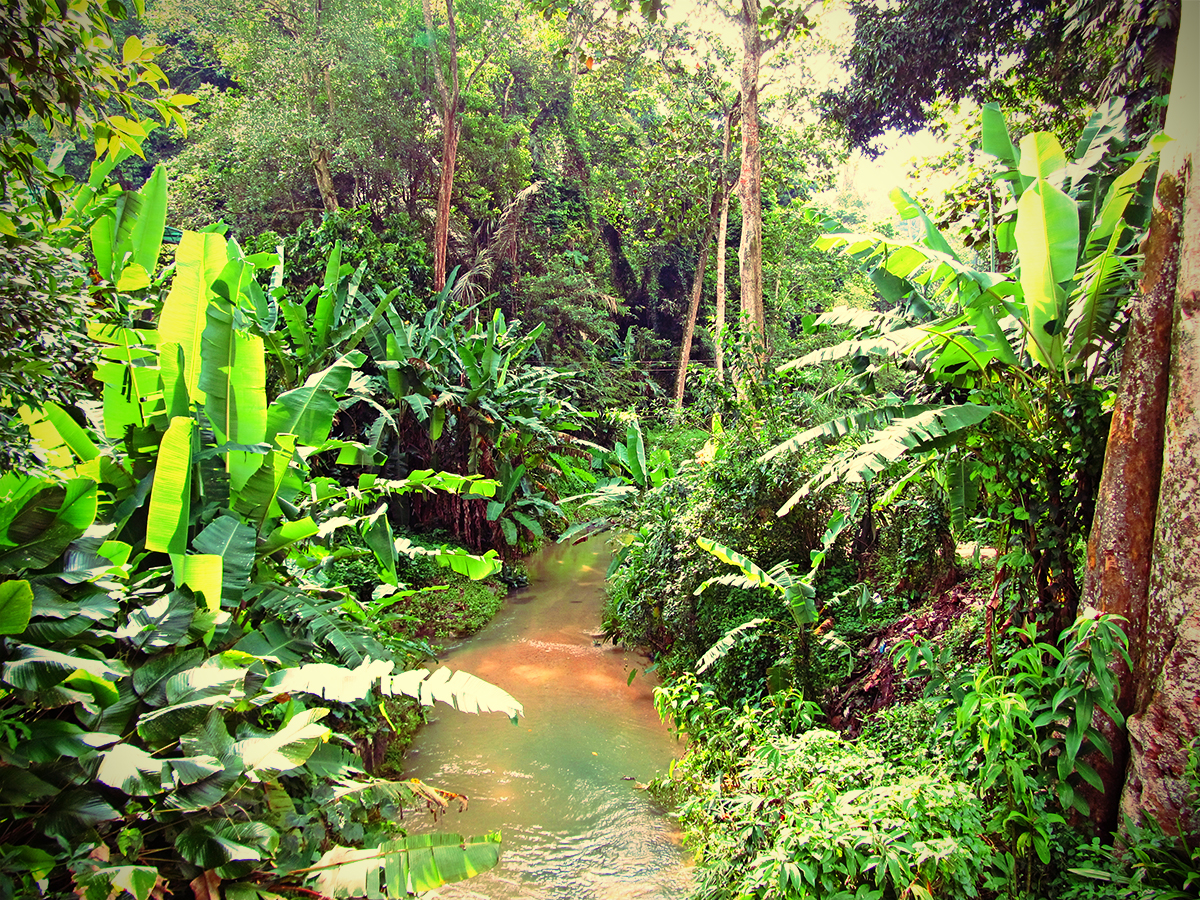
A morning walk amidst the lush green forest at the Penang Botanic Gardens.


“Look deep into nature, and then you will understand everything better.”
– Einstein


For more info on the Penang Botanical Garden, you may go here;
Penang Isle: The Botanical Garden
Visit Penang

Lush green scenery with towering trees at the Penang Botanical Garden.
Surrounded by lush rainforest and fruit trees (durian trees in particular), this new area extension to the existing park provides a nice recreational park for the public. The Metropolitan Park in Relau is also home to several species of durian trees.


The green scenic view of the coast of Penang’s State Park at Teluk Bahang.
Located along the stretch of Teluk Bahang road, the Titi Kerawang Waterfall is another popular place for both locals and tourists looking for an escape from city life. Fruits stalls are also set up along the sides of the narrow road nearby the the waterfall area. Surrounded by the rainforest and green lush nature, the waterfall can be reached by taking an approximate 100 meters walk from the main road. One can also notices pipe running along the path to the waterfall area and it was said that due to the increasing island population, the Penang Water Supply Corporation has to tap some of the water from the area.


The Penang National Park located at Teluk Bahang (or sometimes referred locally as ‘End of the World’) is the first protected area legally gazetted under the National Park Act of 1980, which signifies the State and Federal Governments’ efforts in protecting the environment. Also the smallest national park in the country, the park is unique due to its landscapes, wildlife and beaches. Teluk Bahang is a few kilometers further up from Batu Feringghi and the location of the National Forest is here.
Some of the the unique features of the park include meromictic lake, wetlands, mangroves, mudflats, coral reefs and turtle nesting beaches. The eight beaches located at the park are among the nicest beaches in the island due to their almost untouched nature. These beaches are Teluk Bahang, Teluk Tukun, Tanjung Aling, Teluk Duyung (Monkey Beach), Teluk Ketapang, Pantai Kerachut, Teluk Kampi and Pantai Mas. To get to the beaches, one can hike and walk up the jungle trails or alternatively hire a boat to reach there via the sea.
There is also a lighthouse in the park which is located at Muka Head and is accessible through the far end of Teluk Duyung. Built in 1883 at a cost of £37,929 by the British, it is located 242 metres (794 ft) above sea level.


Visitors will need to register (for free) before and after entering the park at the reception area as shown above. An information counter as well as public shower rooms are available there too.


The beach is also home to monitor lizards which like to take a stroll on the sands and swimming at the sea on sunny days.

The trees of the forst is also home to Dusky Leaf monkeys resting or swinging at the branches on sunny days.


Just in front of the National Park Office, is the nearby fishermen jetty where fishing boats dock and also where one can find boat-for-hire to travel by sea to the beaches located at the National Park area.


