The Nine Emperor Gods Festival

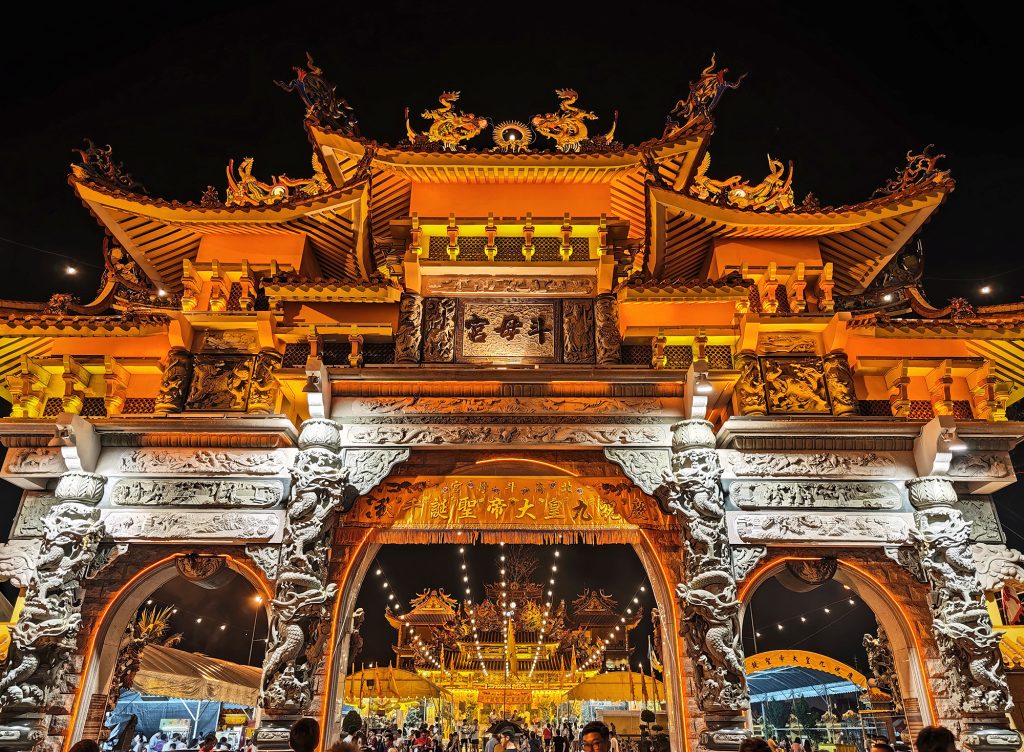
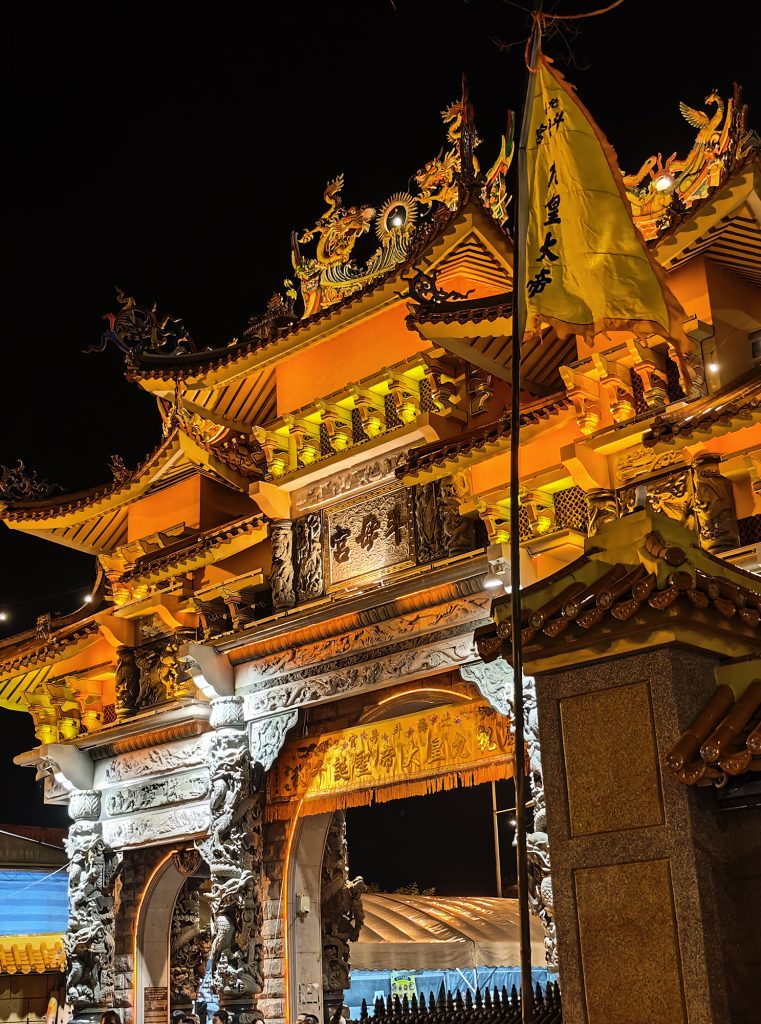
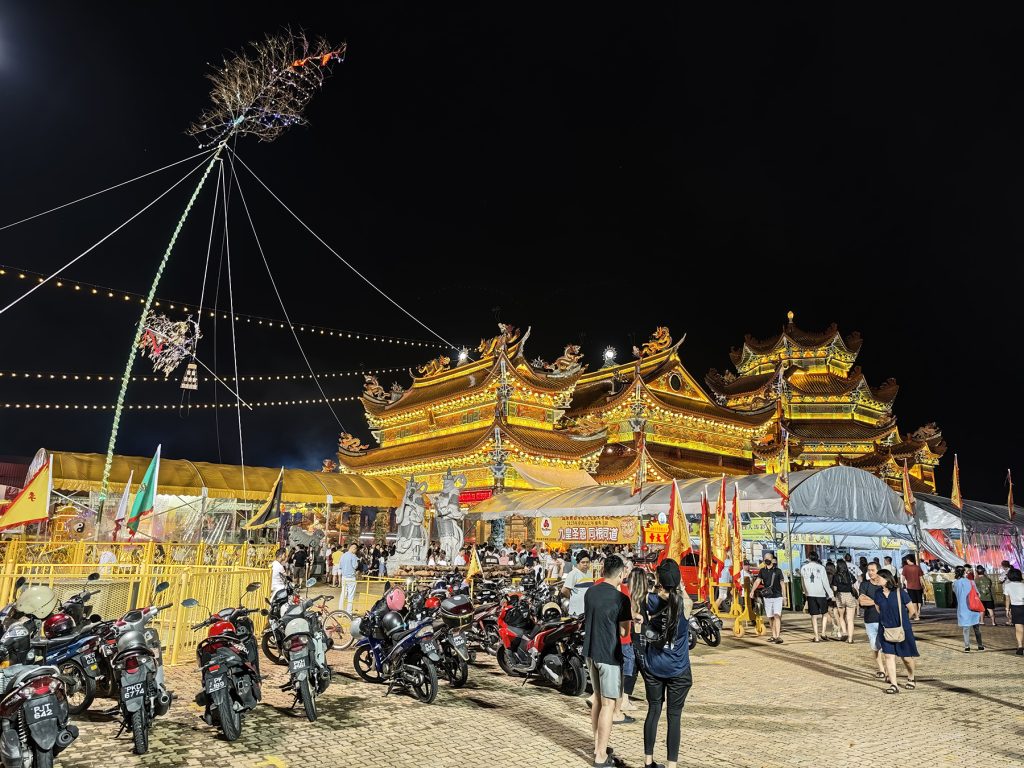
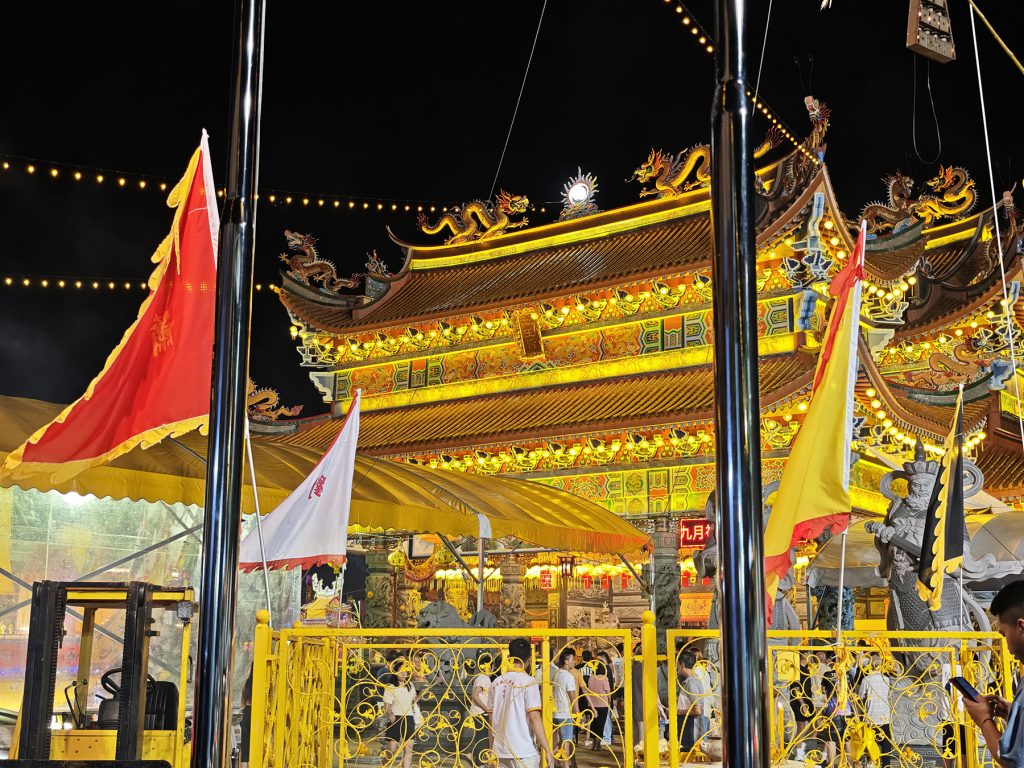
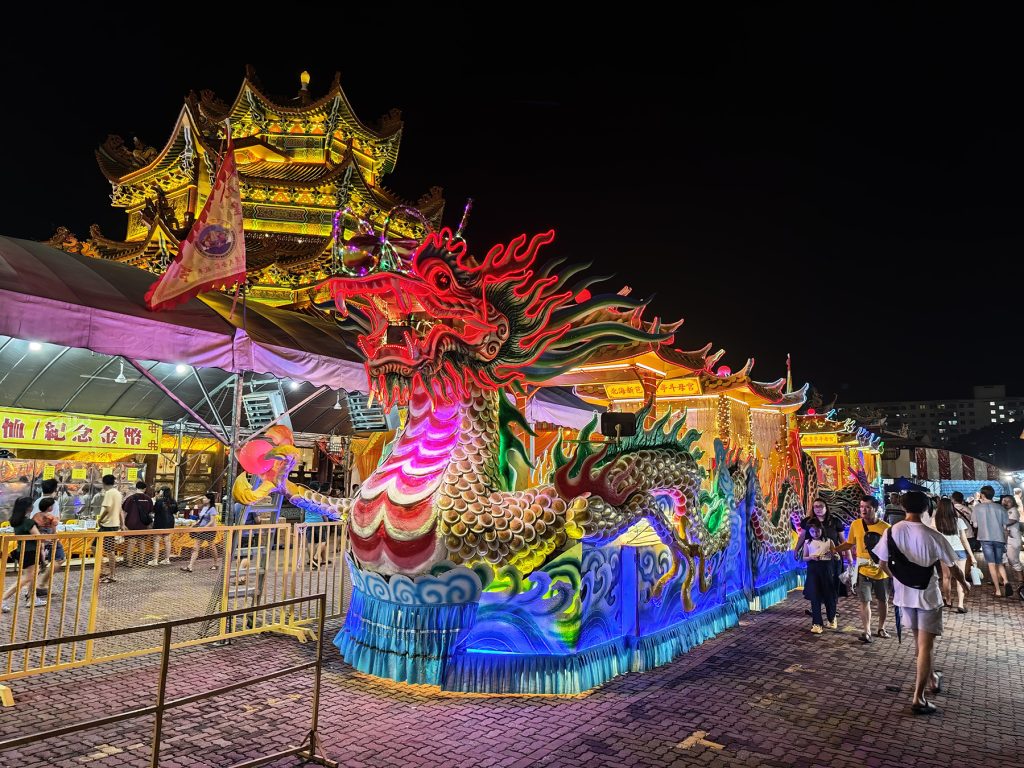
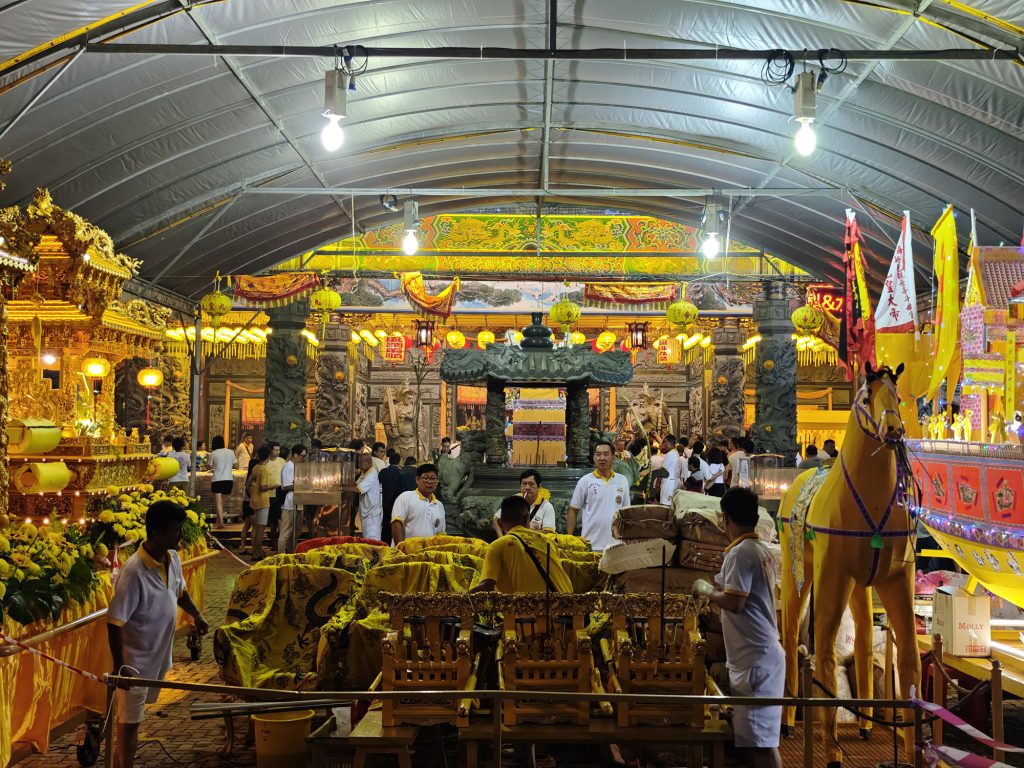
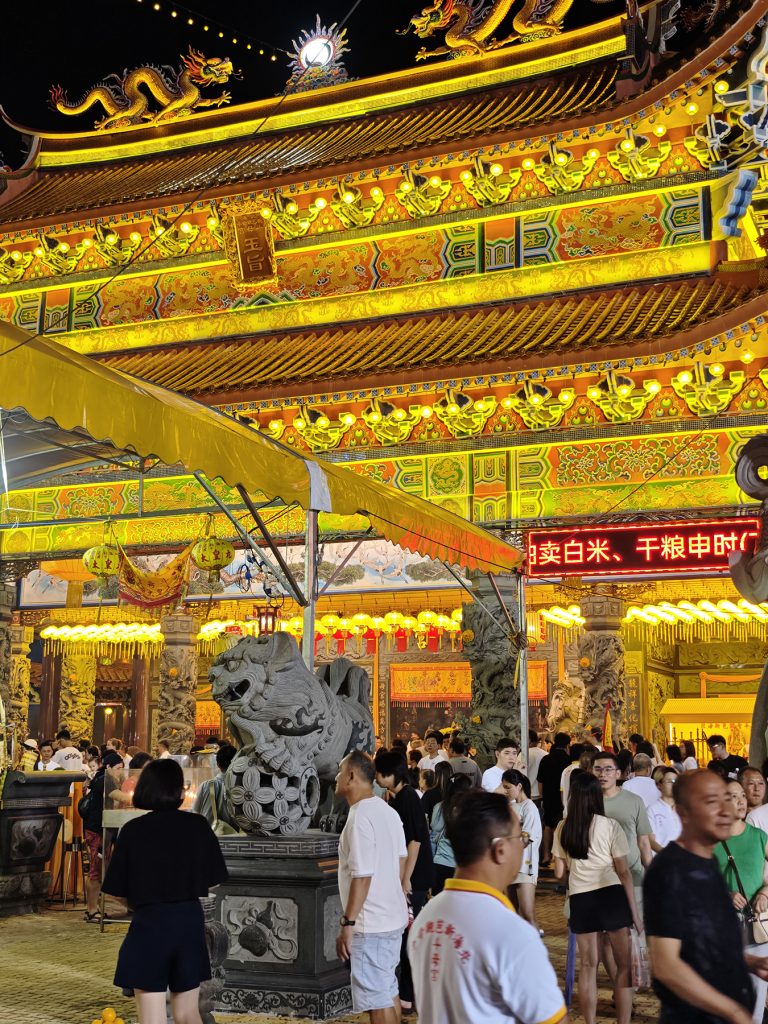
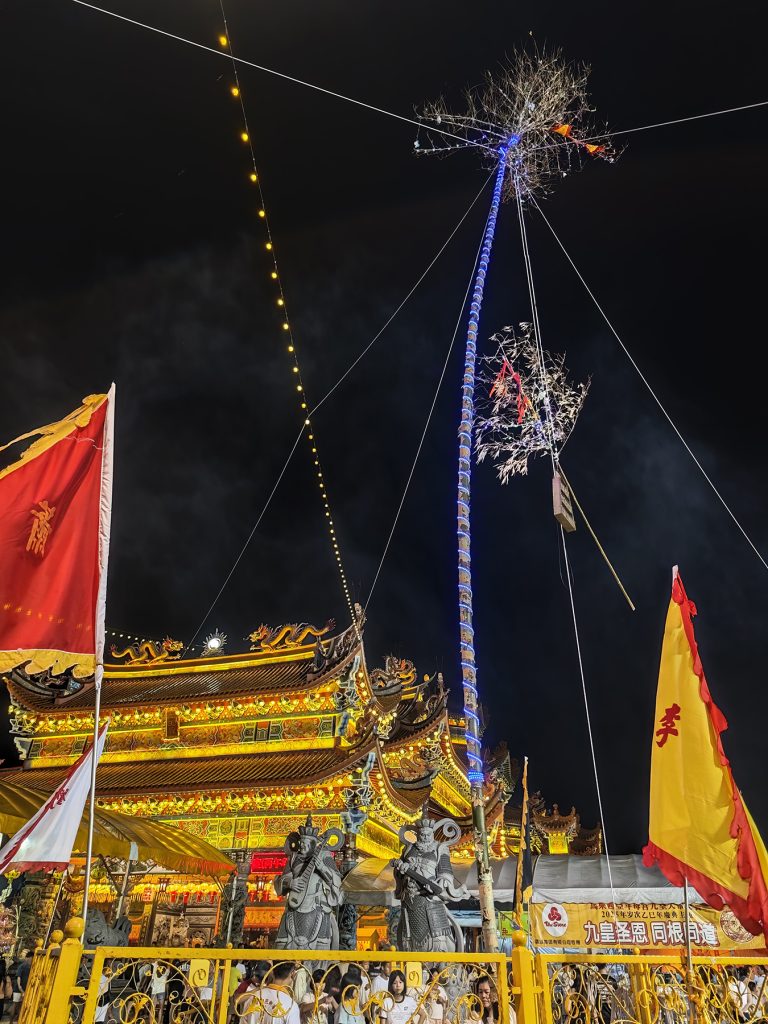
The Nine Emperor Gods Festival is a major Taoist celebration held during the ninth lunar month, honoring nine deities believed to control the movements of planets and bring good fortune. In Penang, especially at temples like Tow Boo Kong in Raja Uda, the festival is marked by vibrant rituals, long processions, vegetarian food offerings, and the lighting of massive incense sticks. Devotees often observe a nine-day vegetarian diet as an act of purification and devotion. The celebration is both spiritual and cultural, filling the streets with color, music, and prayers.

The Nine Emperor Gods Festival is steeped in legend and ancient Chinese cosmology. According to Taoist belief, the Nine Emperor Gods (known as Jiuhuang Dadi) are celestial beings representing the nine sons of Dou Mu, the Goddess of the North Star, who governs the universe and controls the life and death of mortals.

One of the most popular legends tells that the festival originated during China’s Qing Dynasty, when a secret society of devotees prayed to the Nine Emperors for protection against oppression. When the prayers were answered, the people began holding annual rituals to honor the gods.

During the festival, devotees welcome the gods on the eve of the ninth lunar month with a ceremonial procession to the sea or river, believed to be the portal through which the deities descend to Earth. After nine days of prayers, offerings, and vegetarian observance, the gods are sent back to the heavens through another water procession.
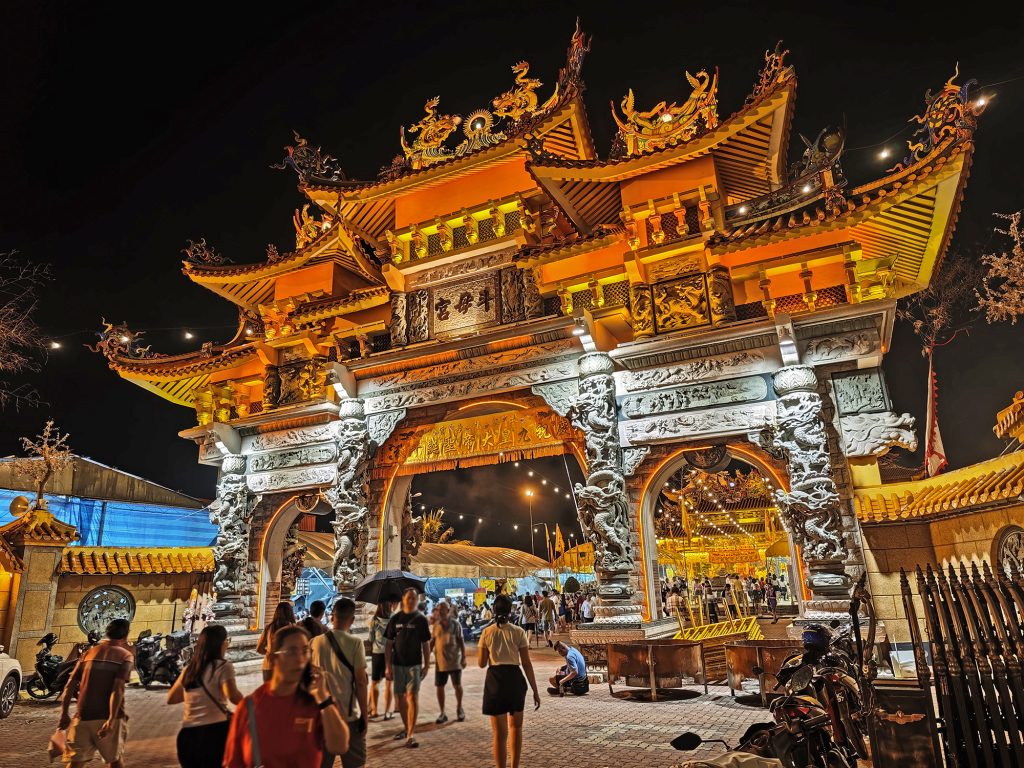
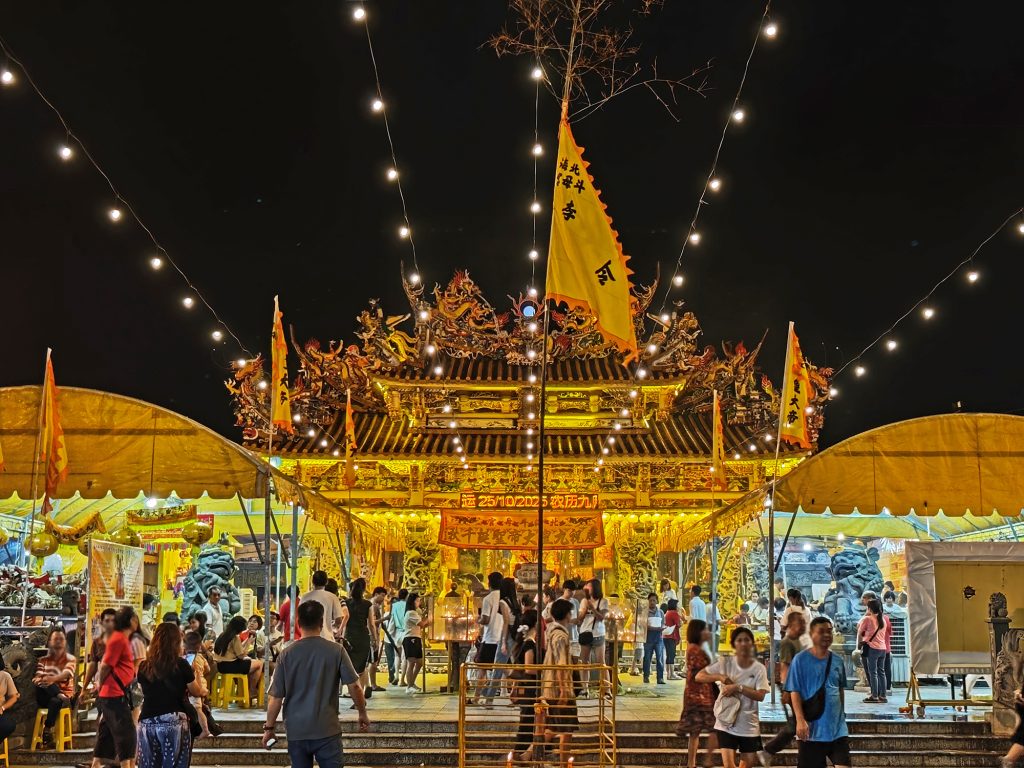
Tow Boo Kong Temple (Nine Emperor Gods)

The Tow Boo Kong Temple in Raja Uda, Butterworth, is one of Penang’s largest and most impressive Taoist temples, dedicated to the Nine Emperor Gods. What began as a small shrine in the 1970s has grown into a grand complex featuring ornate dragon pillars, intricate carvings, and a beautifully landscaped courtyard. The temple becomes especially lively during the Nine Emperor Gods Festival in the ninth lunar month, drawing thousands of devotees and visitors for prayers, processions, and cultural performances that fill the streets with color and devotion.

Khoo Kongsi at Night

Khoo Kongsi, officially known as Leong San Tong Khoo Kongsi, is the grandest Hokkien clanhouse in Malaysia and one of George Town’s most iconic heritage sites. Located at Cannon Square amidst a network of old shophouses, it was rebuilt in 1906 after a fire destroyed the original structure—featuring a magnificent ancestral hall, operatic stage, administrative blocks, and rows of terrace houses forming a tightly-knit clan complex . The main hall, Leong San Tong (Dragon Mountain Hall), showcases exquisite Southern Fujian craftsmanship—with detailed stone carvings, ornate wooden beams, gilded decorations, and a rich visual tapestry of murals and ancestral tablets. The site also houses a small museum tracing the Khoo family’s migration from Fujian, clan governance, and community influence in Penang’s development.

Walking Through Heritage XV (Five Foot Way)

The five-foot way is a covered walkway found in front of many shophouses in Malaysia, especially in places like George Town, Penang. True to its name, it’s typically about five feet wide and provides shelter from sun and rain, allowing people to walk comfortably along rows of shops. It’s a unique blend of architecture and function—often lively with activity, from street vendors to chatting locals—and reflects the colonial and multicultural heritage of Malaysian towns.

Sights in Penang : Trishaws at Stewart Lane

The Penang trishaw, which looks like a small buggy attached to a bicycle, first appeared around 1935–1936 with about 50 units managed by the city. It used to be a common way for locals to get around, but today it’s mostly a fun ride for tourists—complete with bright neon lights, music, and guided trips through George Town’s narrow streets and famous murals.

Views from Lorong Toh Aka (Toh Aka Lane)

Lorong Toh Aka, also known as Toh Aka Lane, is a narrow, T-shaped alley nestled within George Town’s UNESCO World Heritage Site in Penang. Historically, it was known as “Ironworks Street” due to its association with ironsmiths, particularly from the Cheah clan. Today, the lane is lined with pre-war heritage townhouses, reflecting its rich past. A notable feature is a steel rod art sculpture depicting an ironsmith at work, commemorating the lane’s historical significance. Lorong Toh Aka connects to Beach Street, Malay Street, and the Acheen Street Mosque, making it a charming spot that blends cultural heritage with the vibrant life of George Town.

Fun Fact: The lane gets its name due to a prominent Cheah ironsmith whose descendants were among the first Chinese blacksmiths in George Town. The ironsmith legacy is celebrated with a whimsical steel-rod caricature sculpture on the lane, showing a traditional blacksmith hard at work — part of George Town’s iconic street art series by Sculpture at Work.

Chinese New Year in Penang: Kek Lok Si Temple at Night

Kek Lok Si, the largest Buddhist temple in Malaysia, is a stunning hilltop sanctuary in Penang, blending Chinese, Thai, and Burmese architectural styles. Famous for its multi-tiered Pagoda of Ten Thousand Buddhas and the towering Kuan Yin statue, the temple offers breathtaking views of George Town and beyond. Pilgrims and tourists alike visit to admire its intricate carvings, vibrant prayer halls, and serene gardens, making it both a spiritual haven and a photographer’s dream.

During Chinese New Year, the temple transforms into a dazzling spectacle of lights at night, adding to its enchanting charm.

Bukit Mertajam: Hung Kung Kong Hoay

Nestled in the heart of Bukit Mertajam’s old town heritage street, Hung Kung Kong Hoay stands as a significant Chinese clan association with deep cultural roots. This historic landmark reflects the rich heritage and traditions of the local Chinese community, making it a must-visit for history enthusiasts exploring Bukit Mertajam’s vibrant heritage area.

Bukit Mertajam: Tua Pek Kong Cheng Temple

The Tua Pek Kong Cheng Temple in Bukit Mertajam, Penang, is a significant Taoist temple dedicated to Tua Pek Kong, a deity worshipped for protection, health, and prosperity. The temple is known for its rich history, dating back over a century, and its vibrant cultural practices, particularly during the Hungry Ghost Festival.

The temple’s architecture reflects traditional Chinese design, with intricate carvings and decorations. It serves as a focal point for community gatherings and religious ceremonies, attracting both devotees and tourists interested in Penang’s cultural heritage.

The Penang Buddhist Association

Built in 1931, the Penang Buddhist Association is a prominent landmark situated on Anson Road in George Town. This historic building, showcasing the old Straits Eclectic style, serves as a vibrant hub for Buddhists in Penang, hosting a variety of religious and community events, including meditation sessions, Dharma talks, and cultural celebrations.

In addition to Wesak Day, the association attracts numerous visitors on the first day of Chinese New Year, when many come to offer prayers for the new year. The Penang Buddhist Association also plays a significant role in promoting Buddhist education and charity work, supporting various local initiatives and fostering a sense of community among its members. Its beautiful architecture and serene environment make it a must-visit destination for both devotees and tourists exploring Penang’s rich cultural heritage.

May 22nd is Wesak Day here.