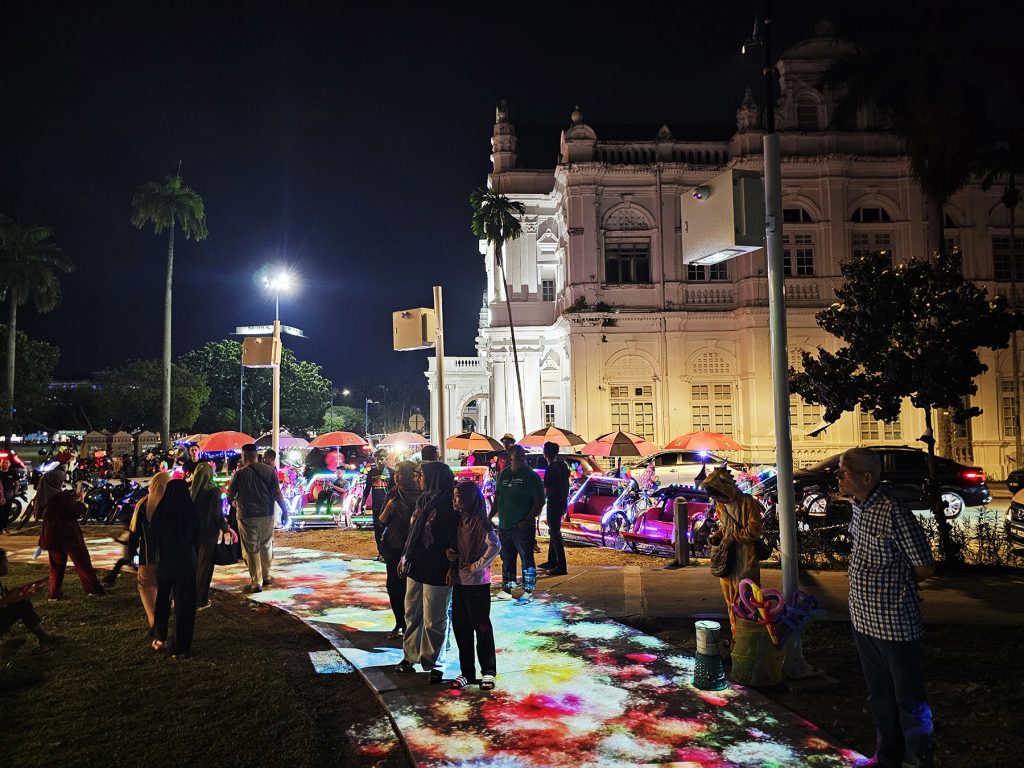
Colorful animated light projections illuminate the walkway at the Esplanade (near the coastal food court and Cenotaph area) each night.
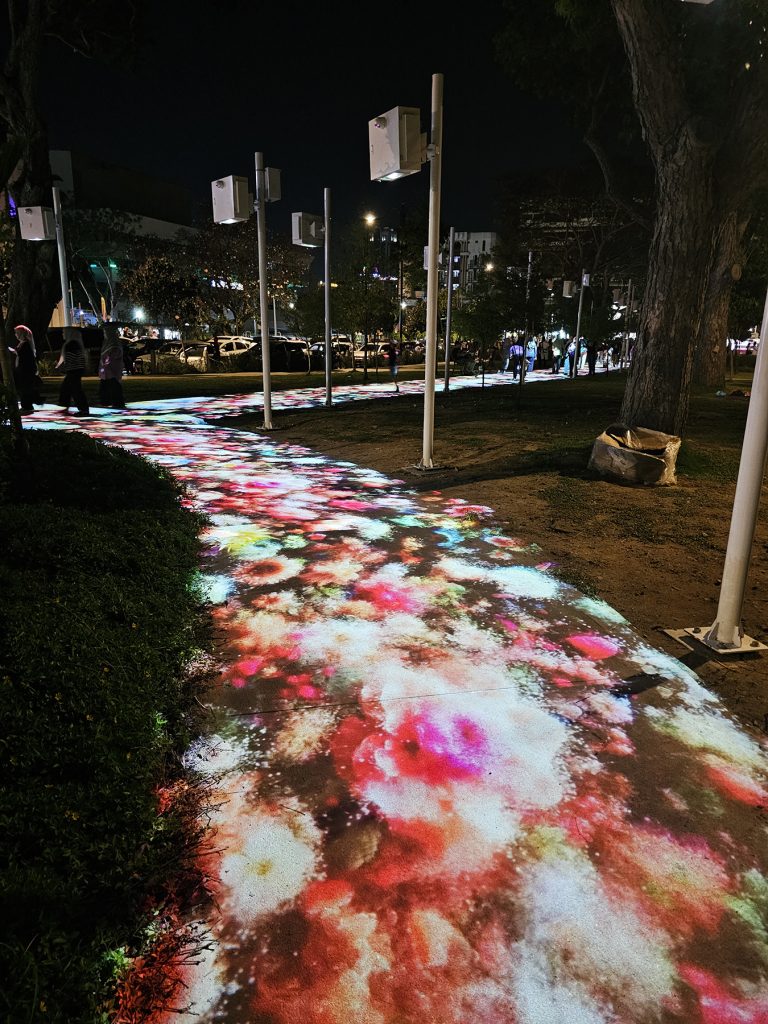
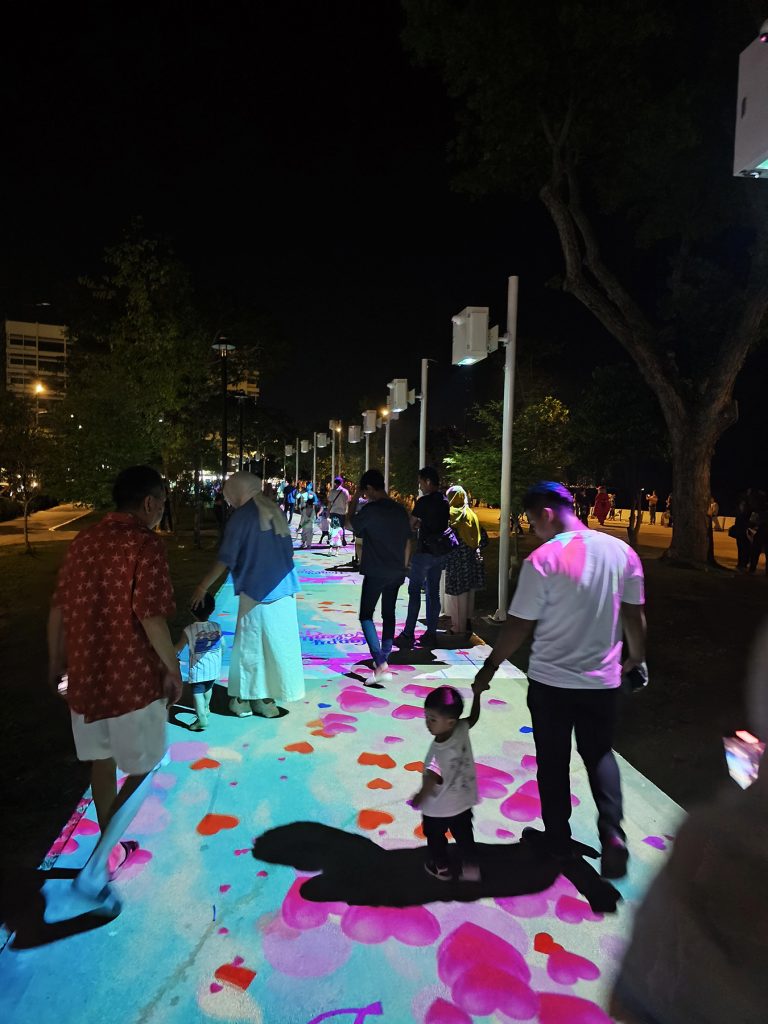
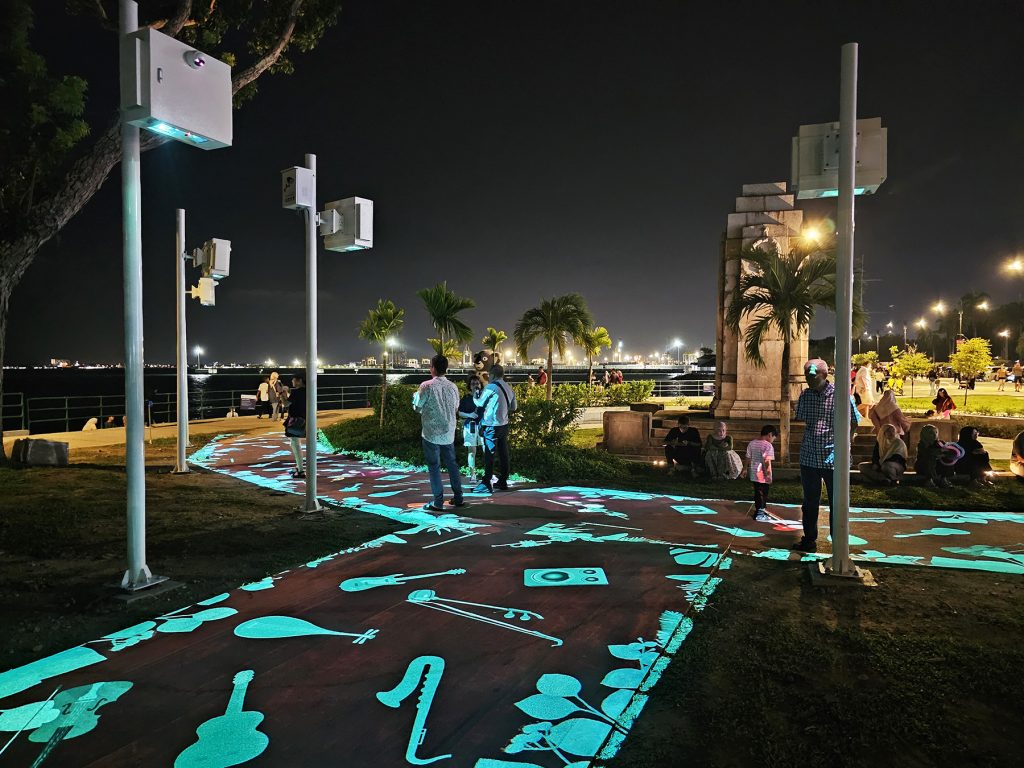
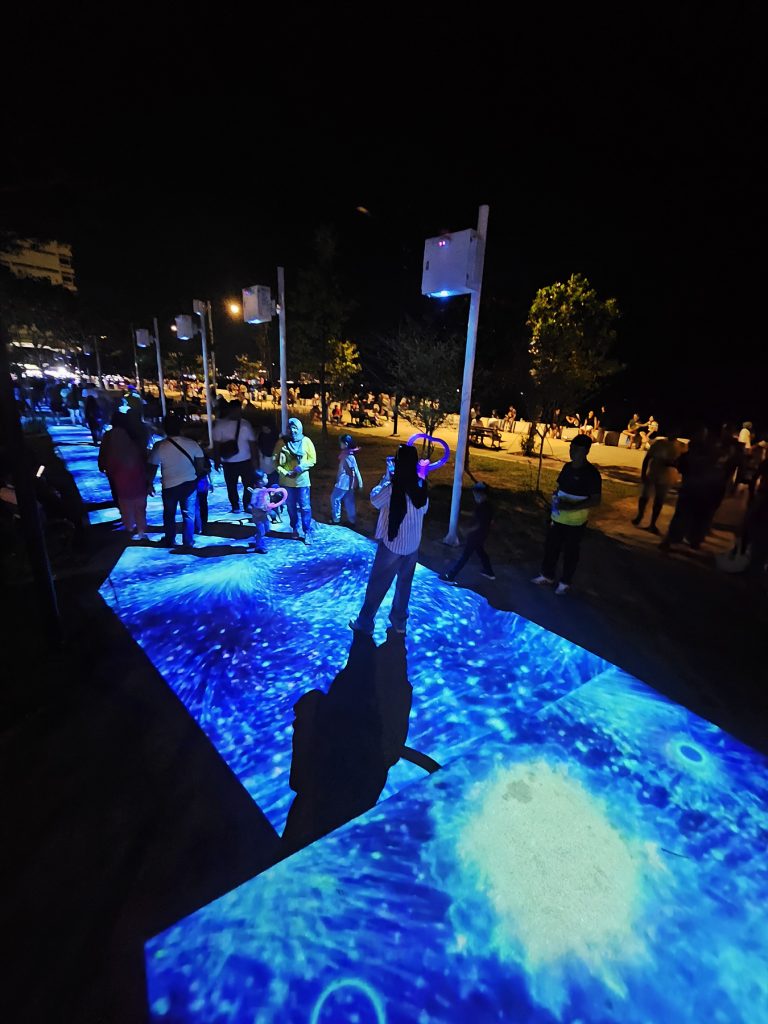
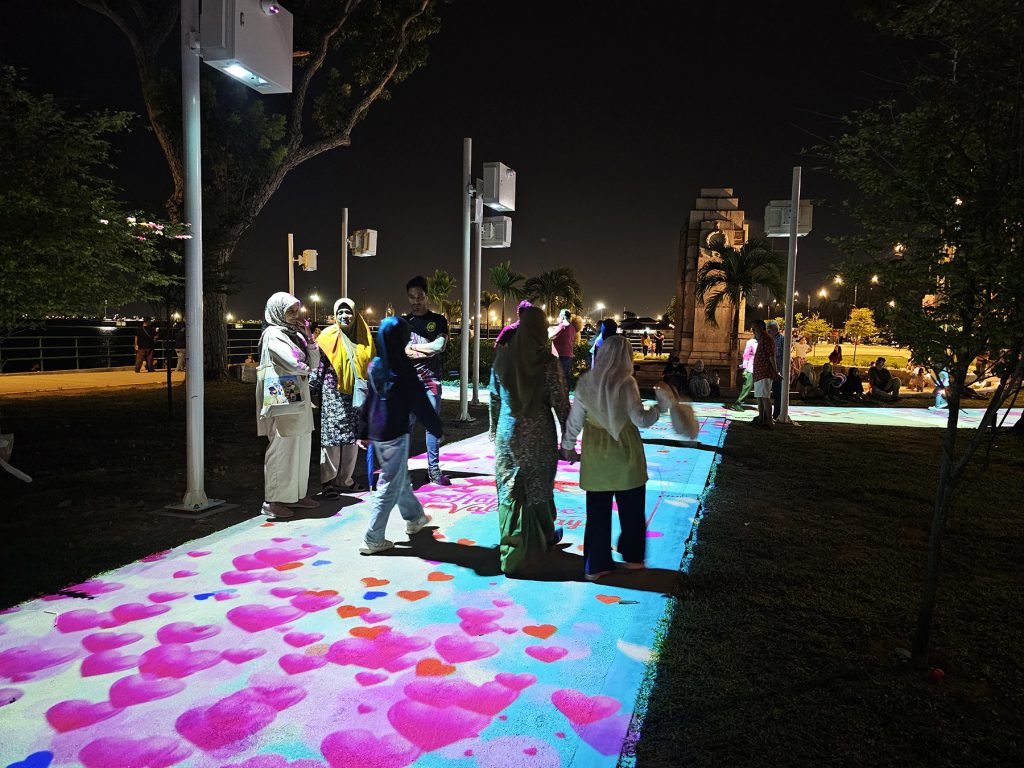
Colorful animated light projections illuminate the walkway at the Esplanade (near the coastal food court and Cenotaph area) each night.
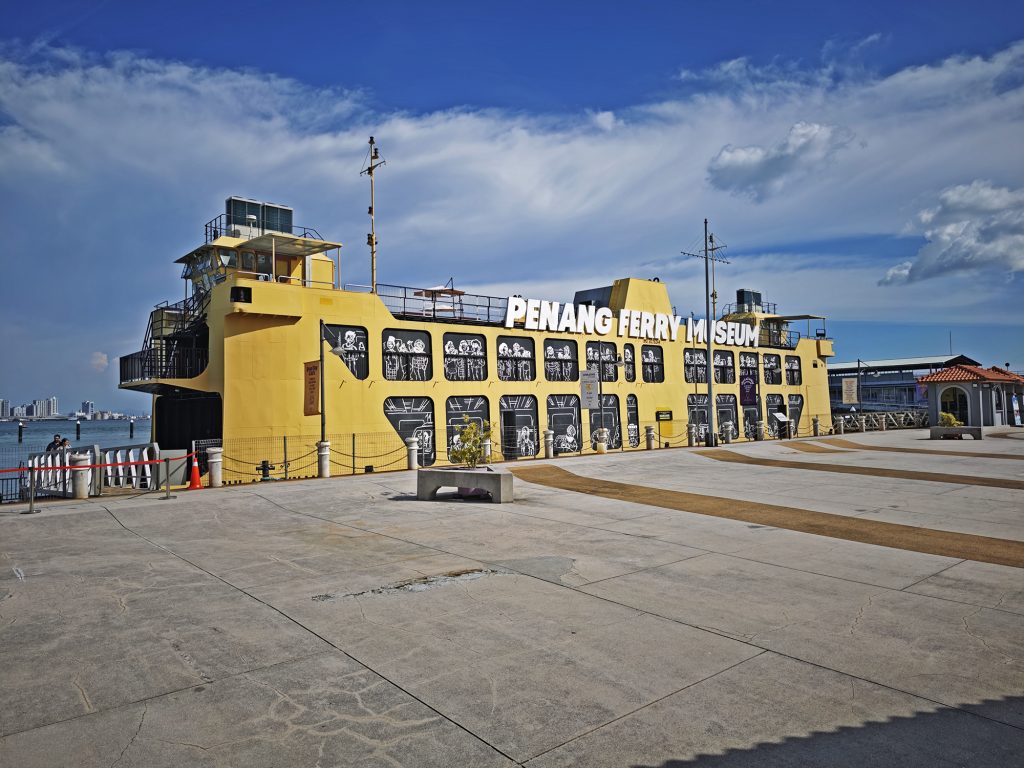
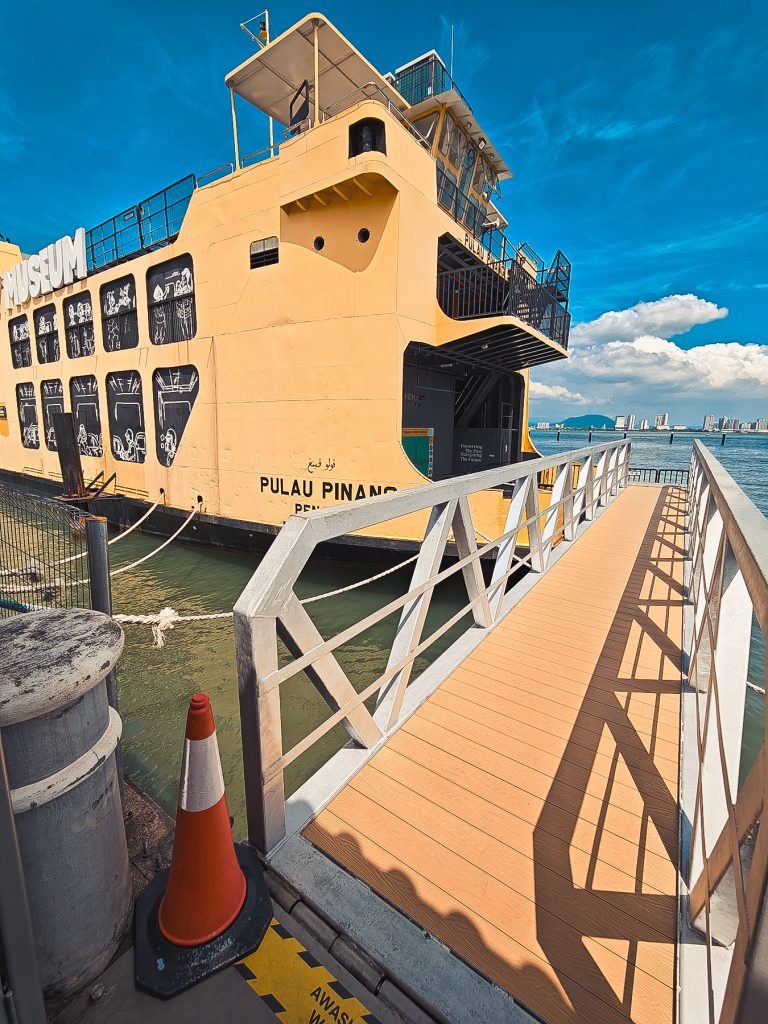
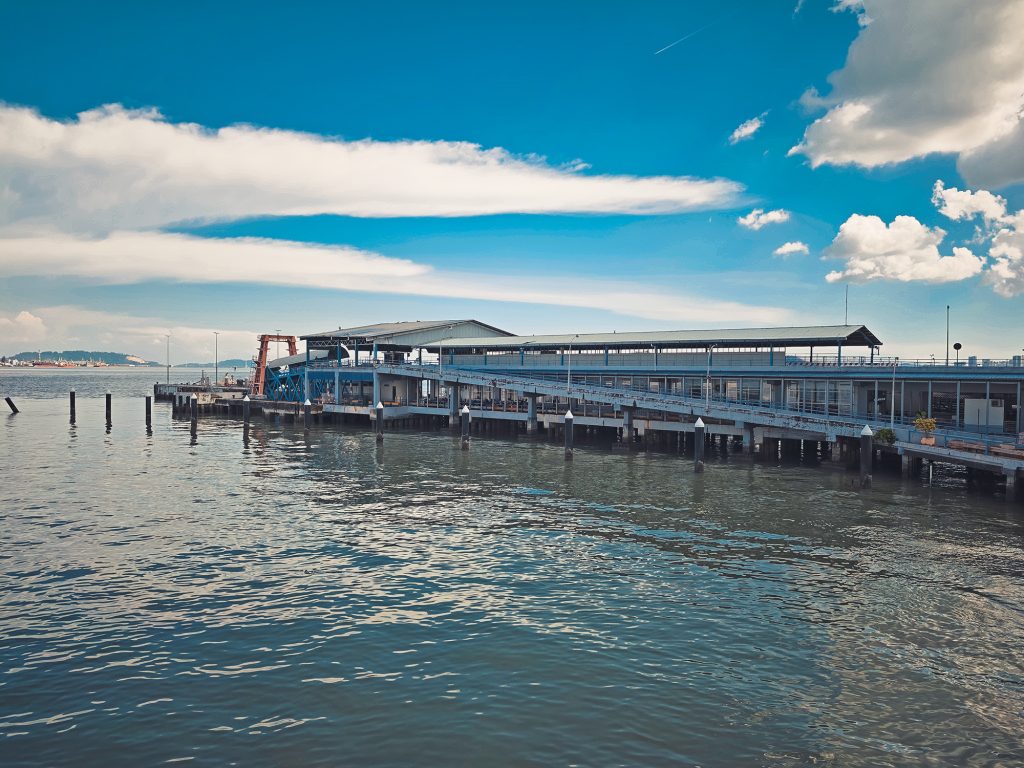
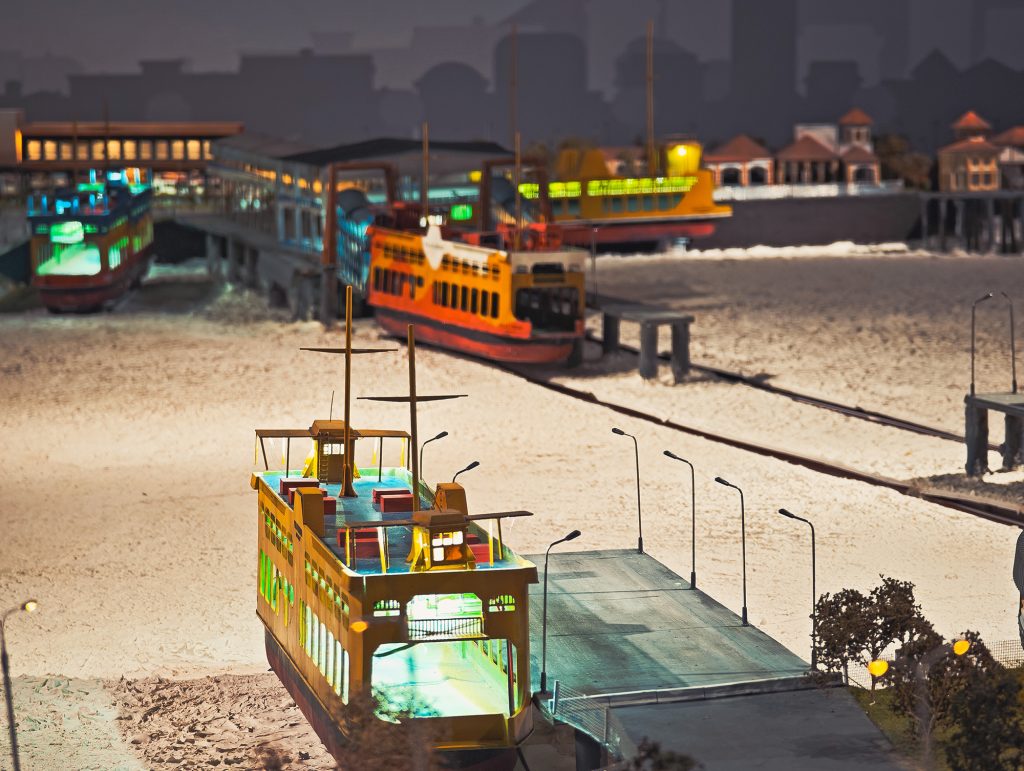
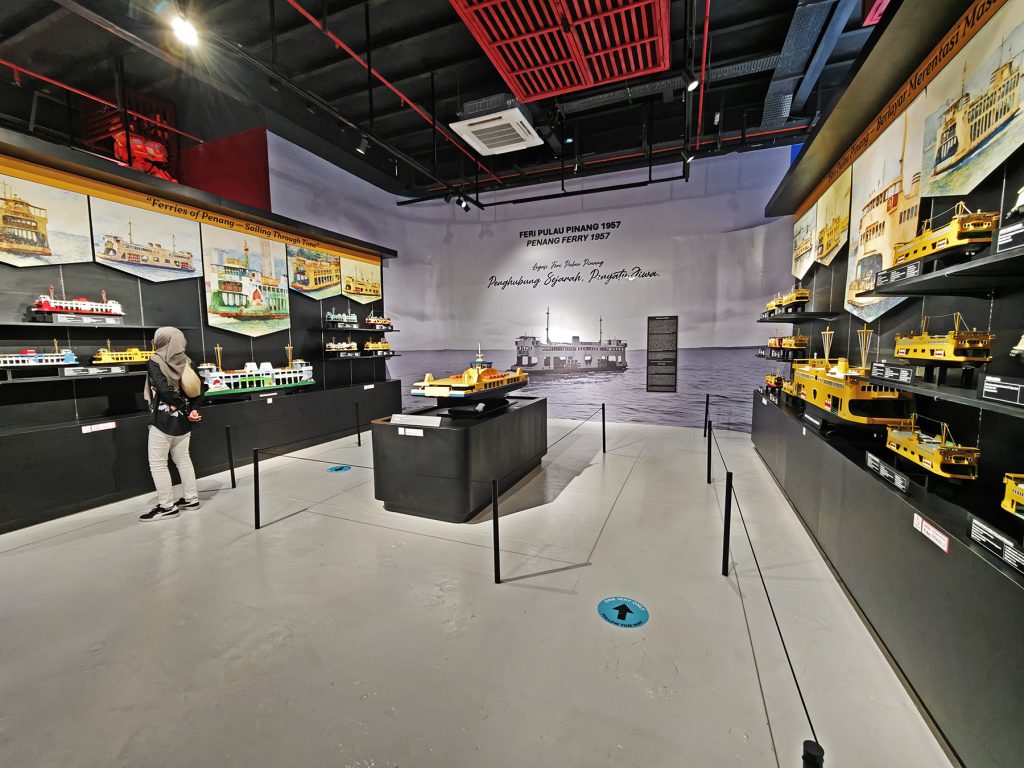
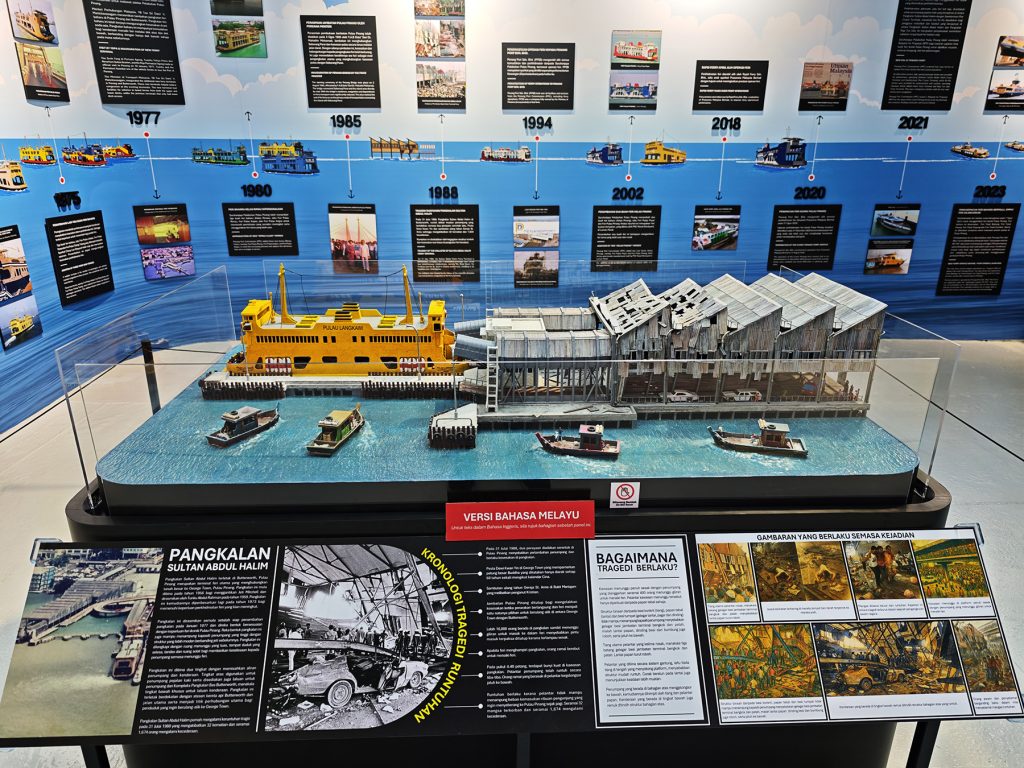
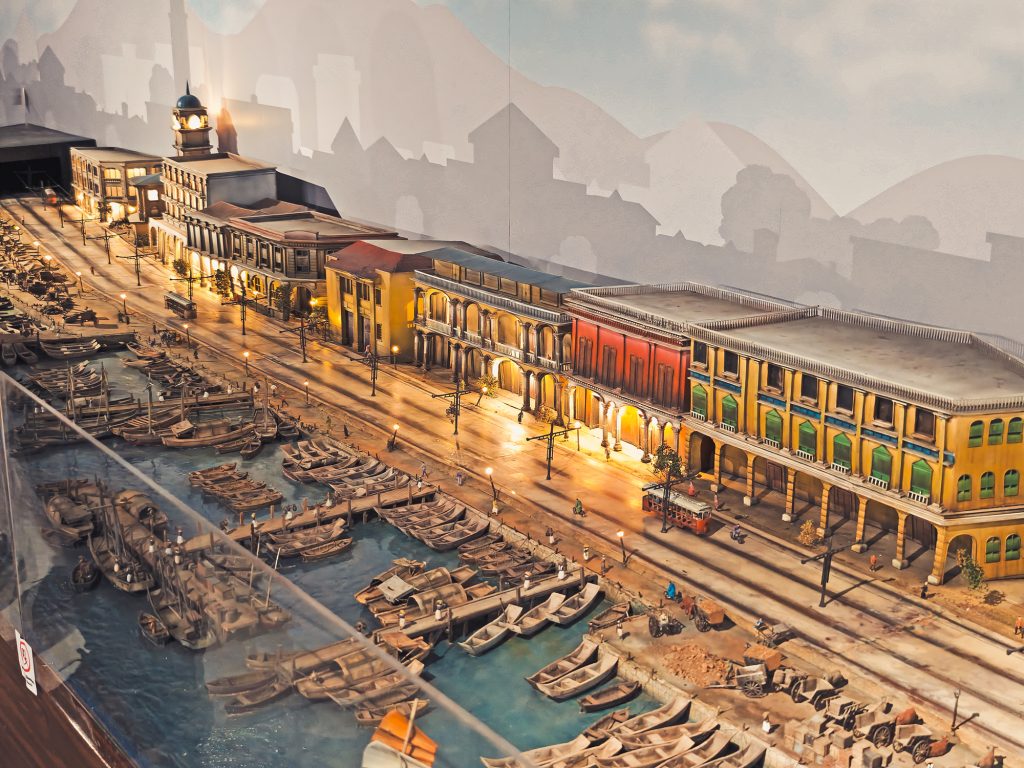
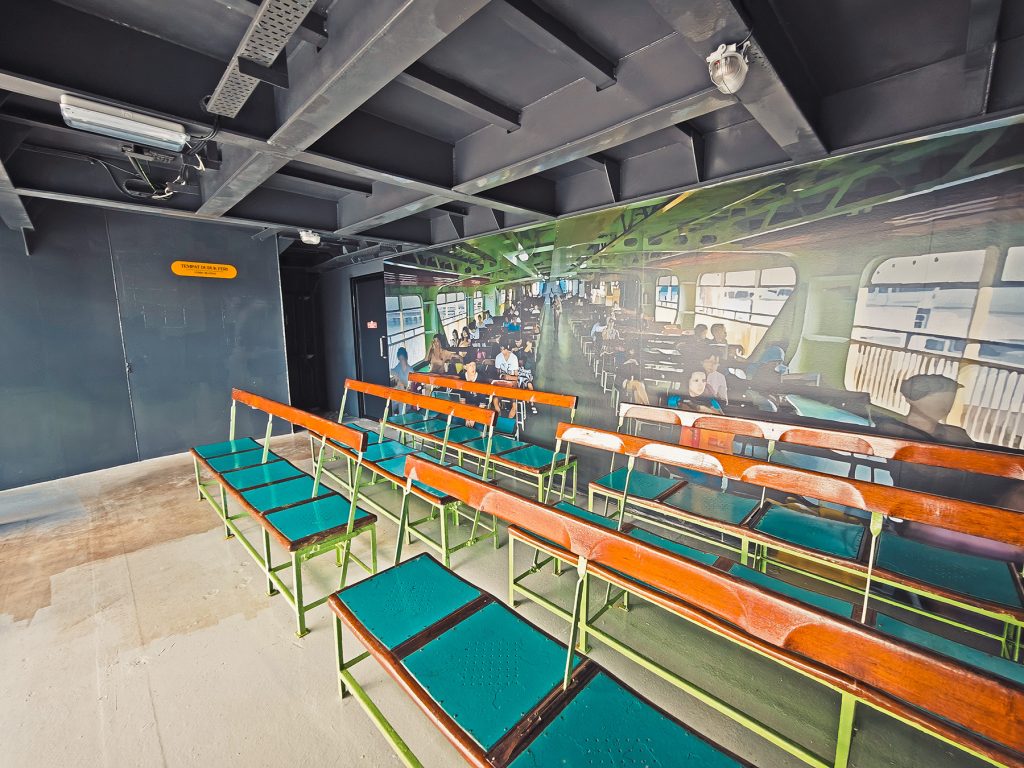
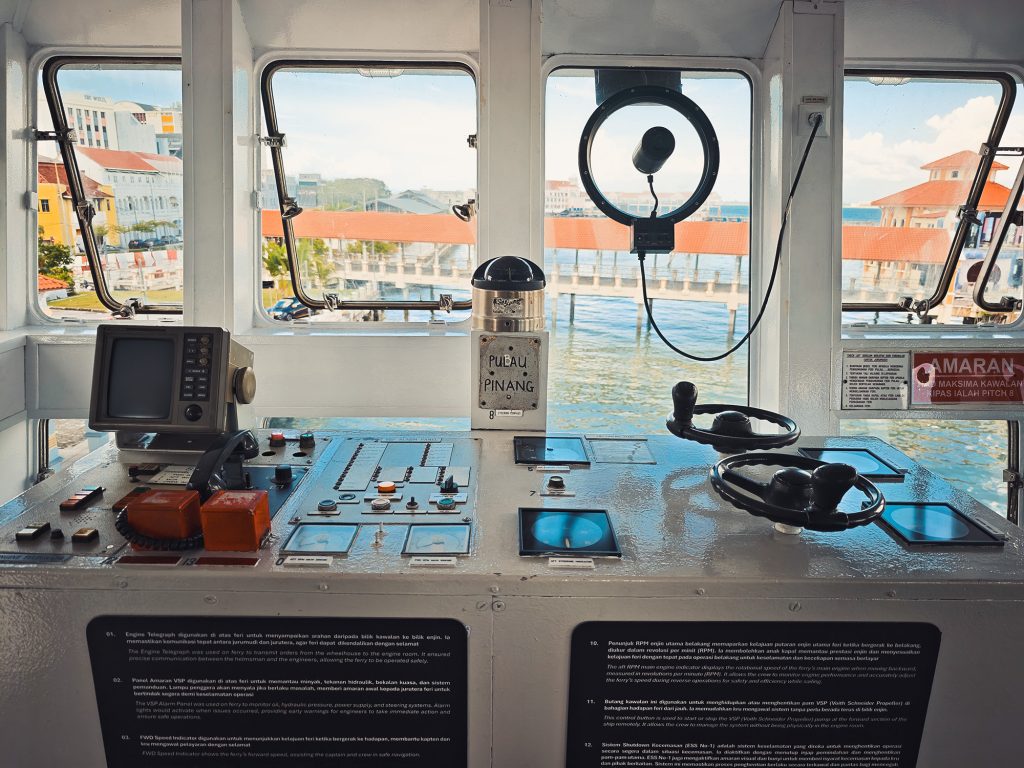
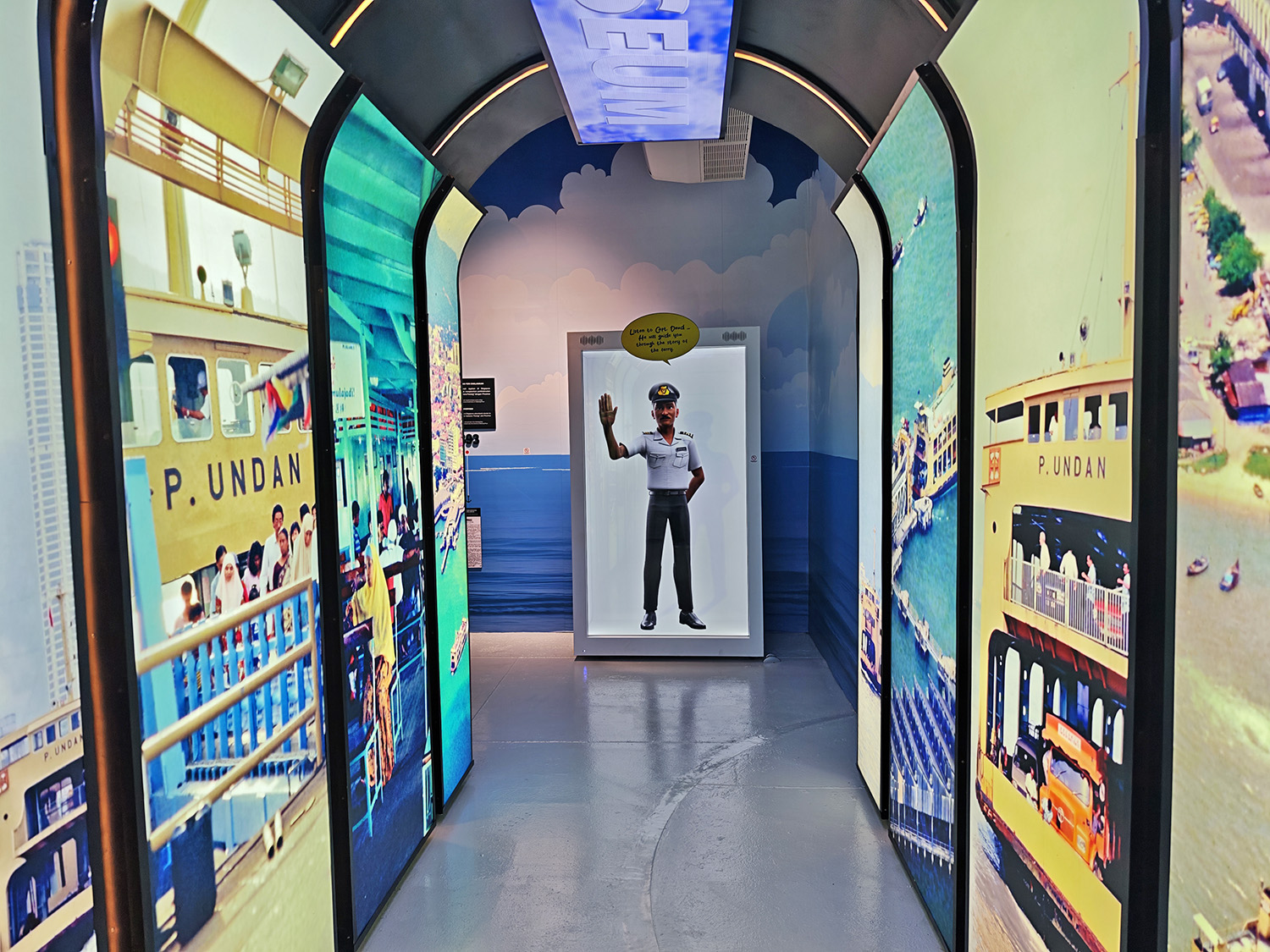
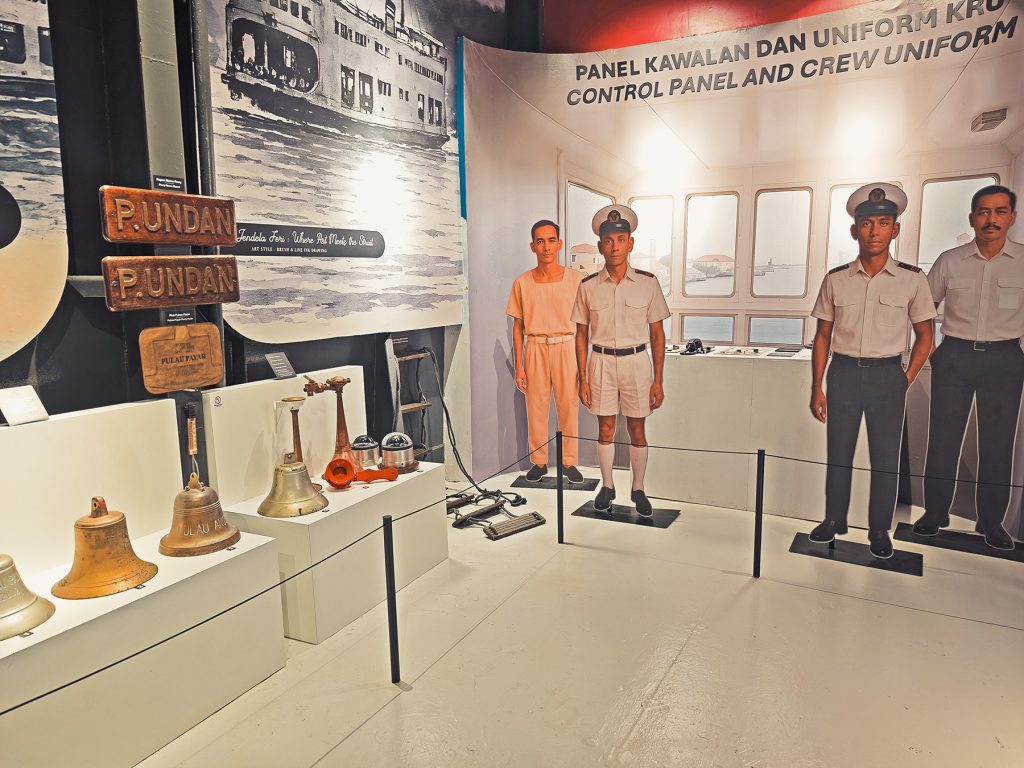
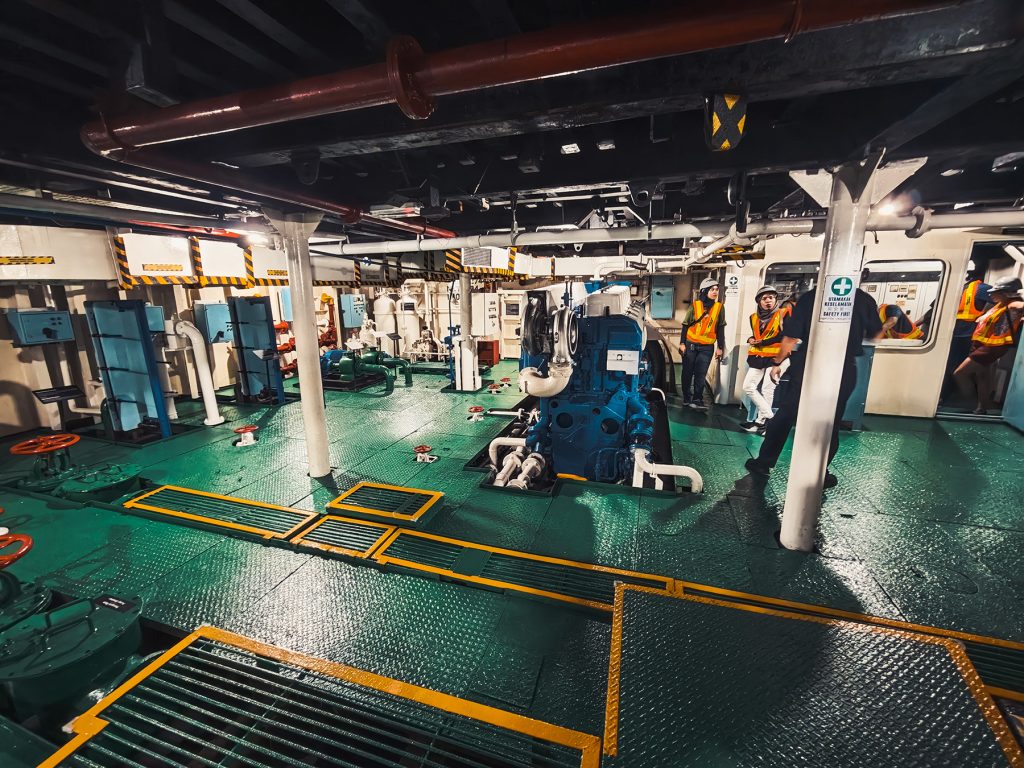
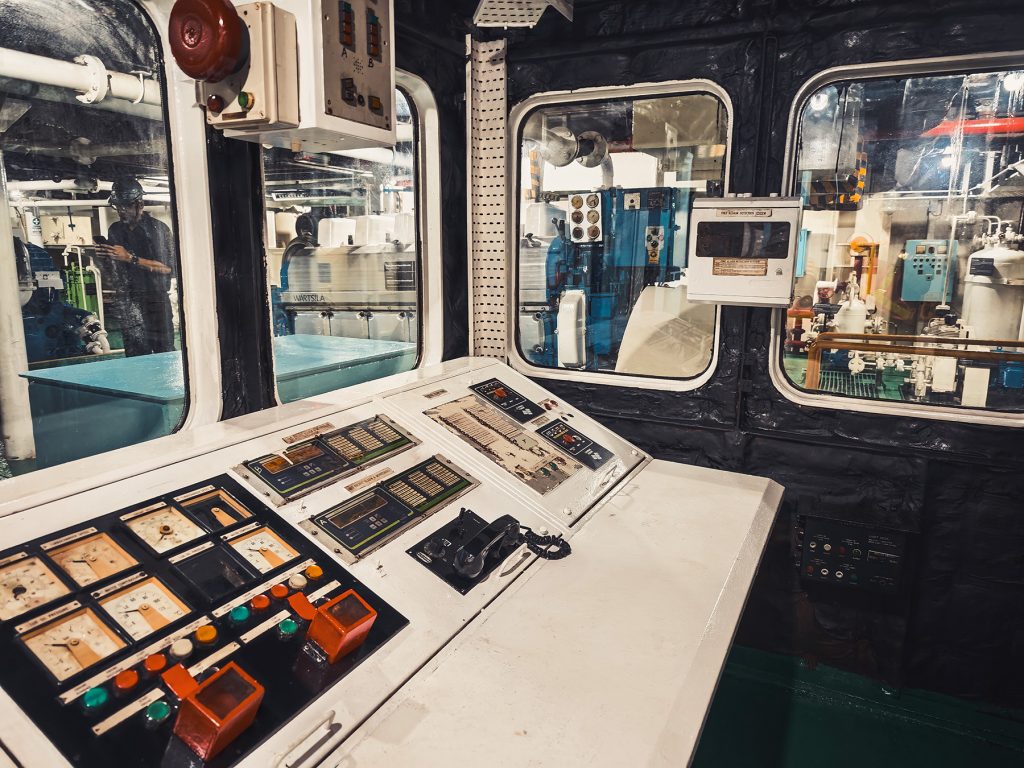
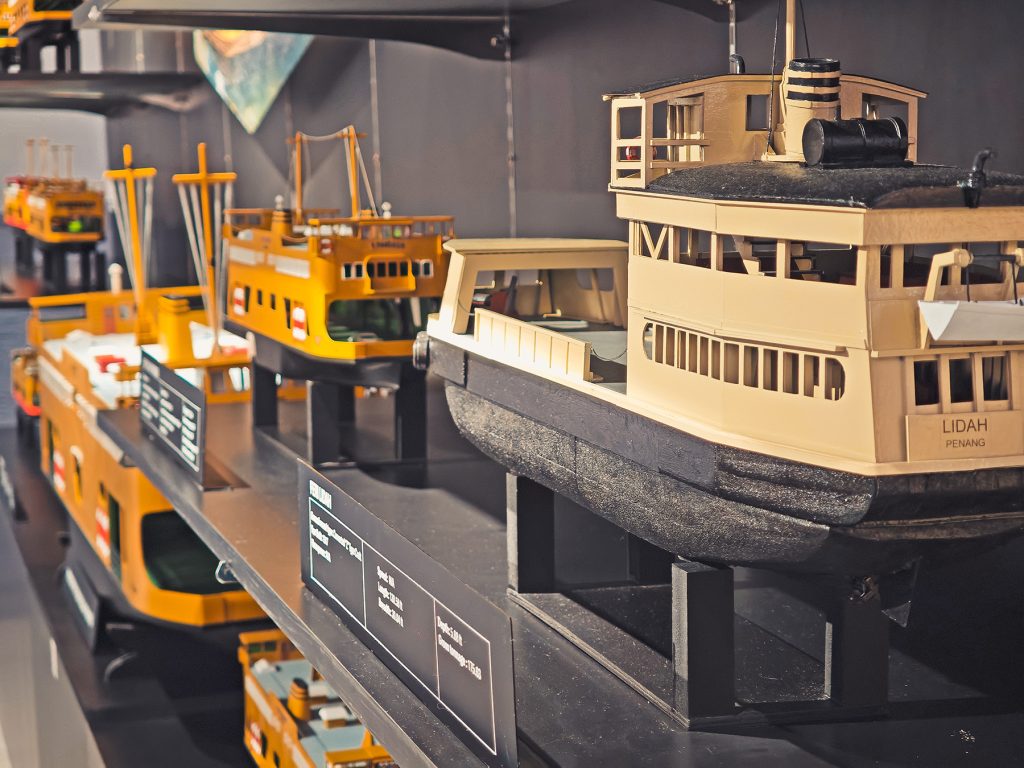
The Penang Ferry Museum, located at the Swettenham Pier Cruise Terminal in George Town, celebrates the rich maritime legacy of Penang’s iconic ferry service, which has connected the island and mainland since 1894. The museum features historical displays, vintage photographs, ferry models, and interactive exhibits that trace the evolution of the ferries from steam-powered vessels to modern roll-on/roll-off designs. Visitors can also explore the stories of those who worked on the ferries, offering a nostalgic glimpse into one of Penang’s most enduring symbols of heritage and connection. It opens daily from 9am till 10pm.
Ticket prices: For Malaysian ID-holders (MyKad) it’s RM29 for adults and RM15 for children. For non-MyKad visitors it’s RM39 for adults and RM19 for children.
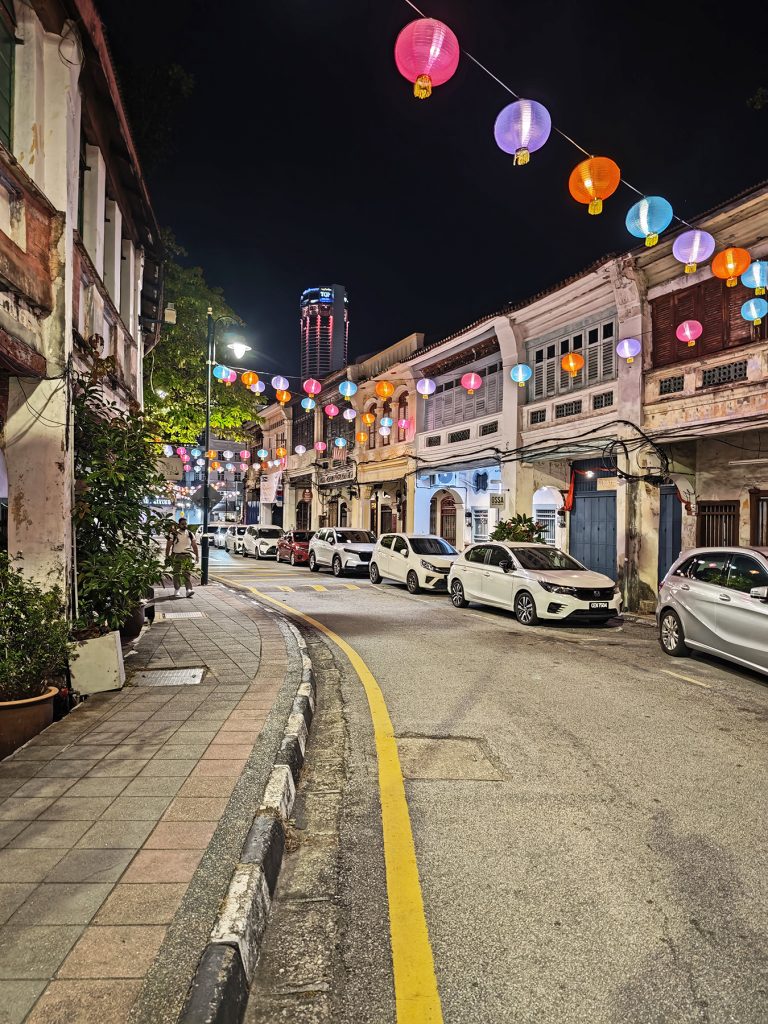
Despite its name, Armenian Street (Lebuh Armenian) was not originally settled by Armenians. It was named after the small Armenian community that once lived there in the early 1800s, who were influential traders and philanthropists in Penang. Interestingly, the famous Eastern & Oriental Hotel was founded by the Armenian Sarkies Brothers, who also established Singapore’s Raffles Hotel.
Today, the street is a UNESCO heritage hotspot known for its murals, cafes, and historic shophouses.
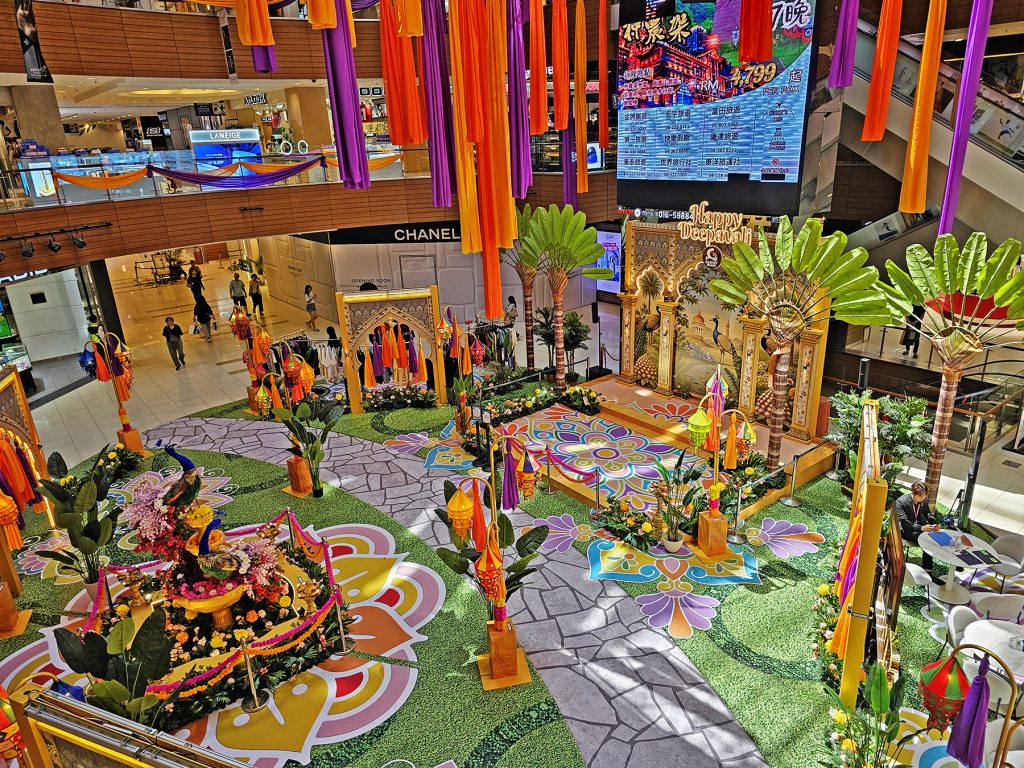
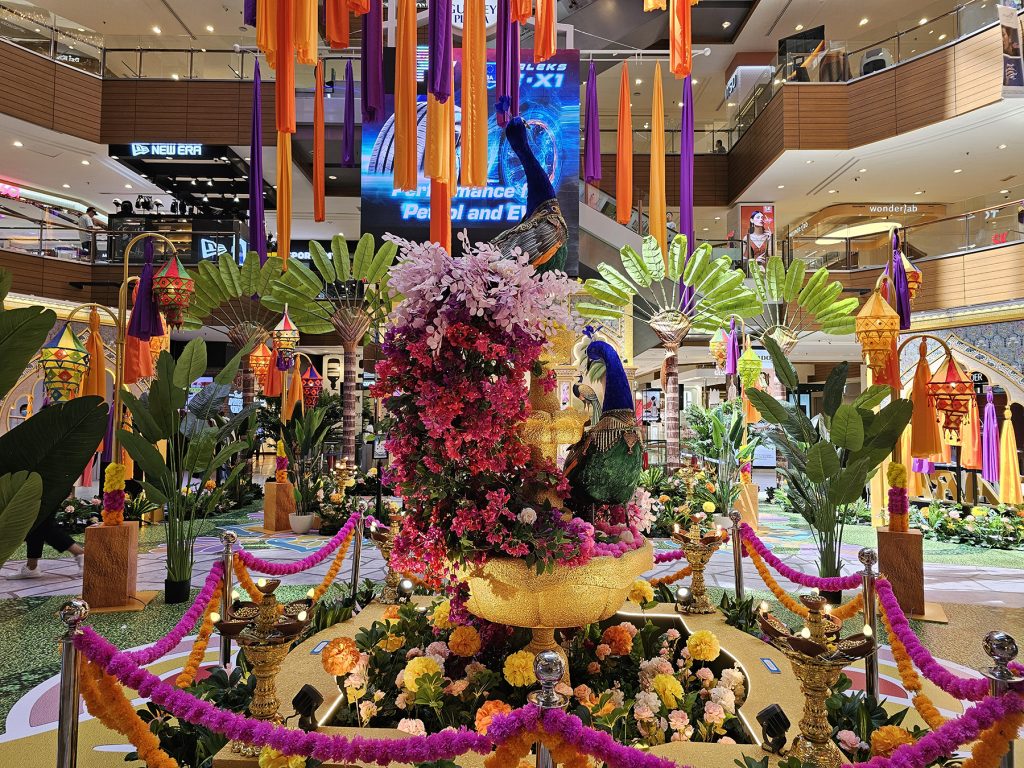
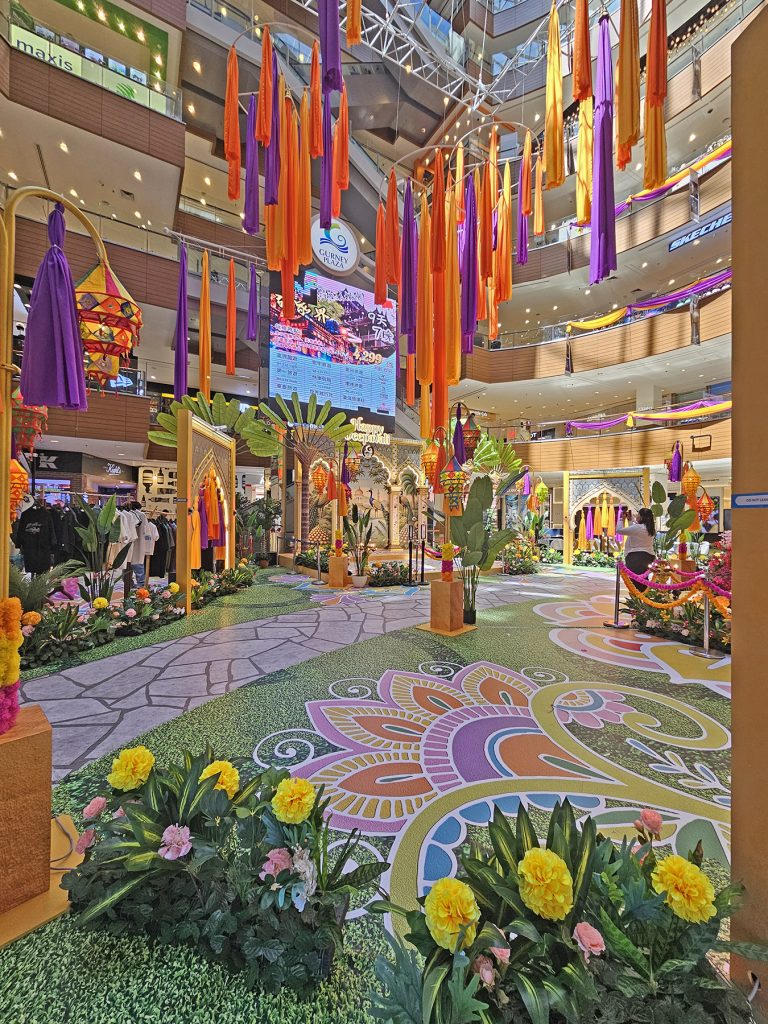
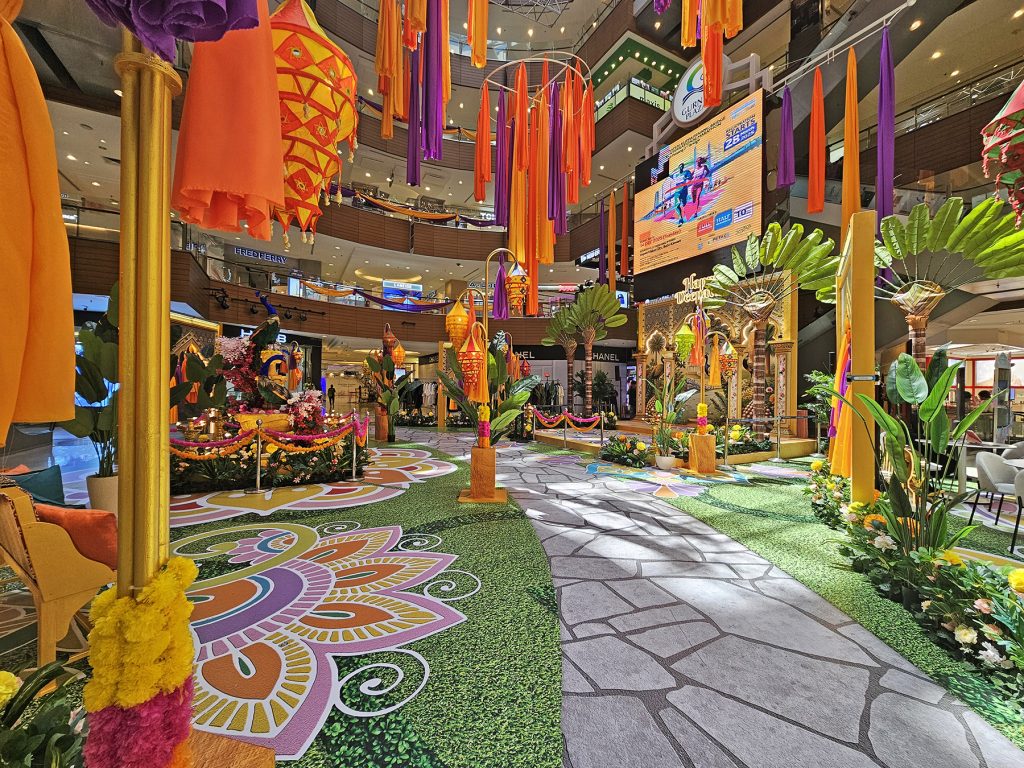
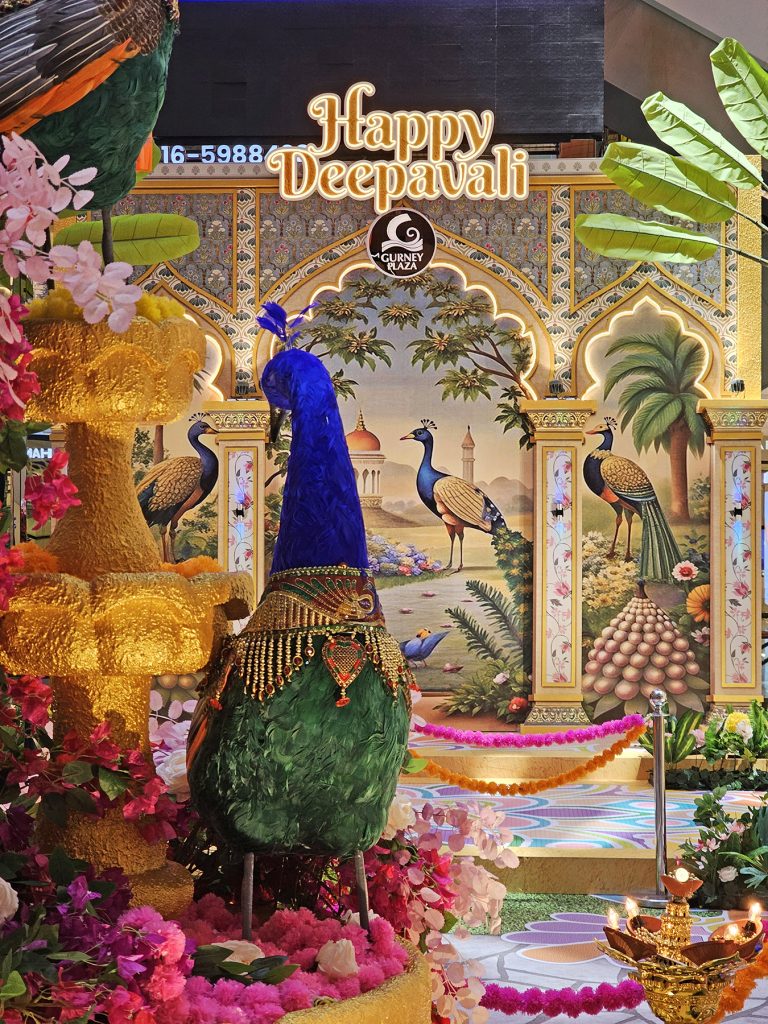
Gurney Plaza celebrates Deepavali 2025 with its vibrant “A Joyous Deepavali” theme, featuring colourful decorations like a giant peacock, intricate kolam designs, and glowing lanterns that light up the main atrium. Visitors can enjoy cultural performances, including a Sitar and Tabla recital by the Temple of Fine Arts while shoppers who spent a certain amount can redeem exclusive Deepavali packets during the month of October.

Wisma Kastam (formerly the Malayan Railway Building), was completed in 1909 in George Town, Penang, and designed in Edwardian Baroque style by the British architect Arthur Benison Hubback. Though it was built as a railway terminus, it never housed any actual train tracks—passengers would come to the station, then take a ferry across to Butterworth instead.
Over time, it served many functions: offices, a clock tower, customs building, waiting hall, and more. Because of its utilitarian role without actual rail lines, locals refer to it as a “ghost station.” It has now been granted Grade I heritage status and is under new leaseholders, with efforts to preserve its architecture and legacy.
The building is located along China Street Ghaut, and is also known as the “Big Ben” of Penang.
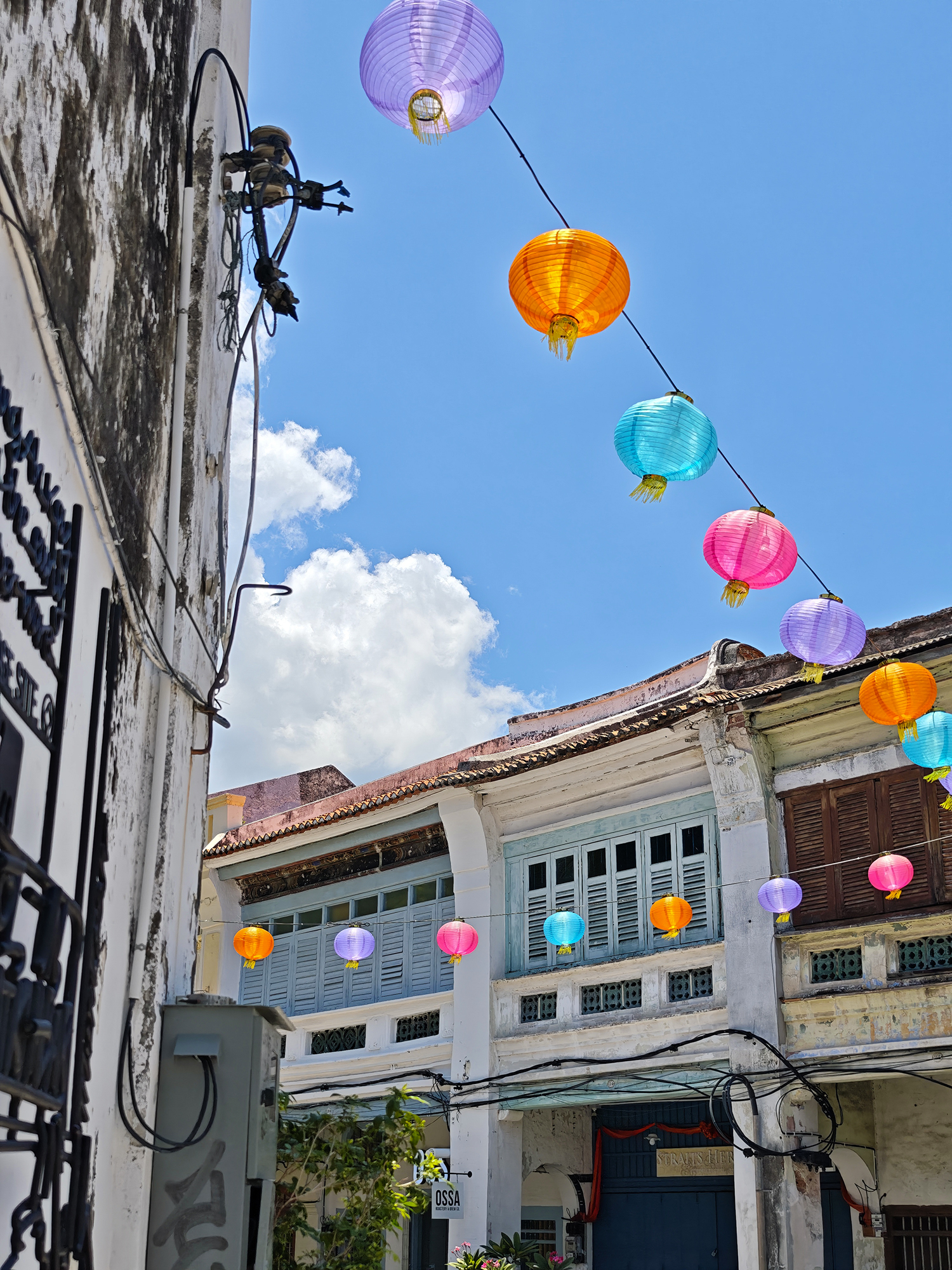
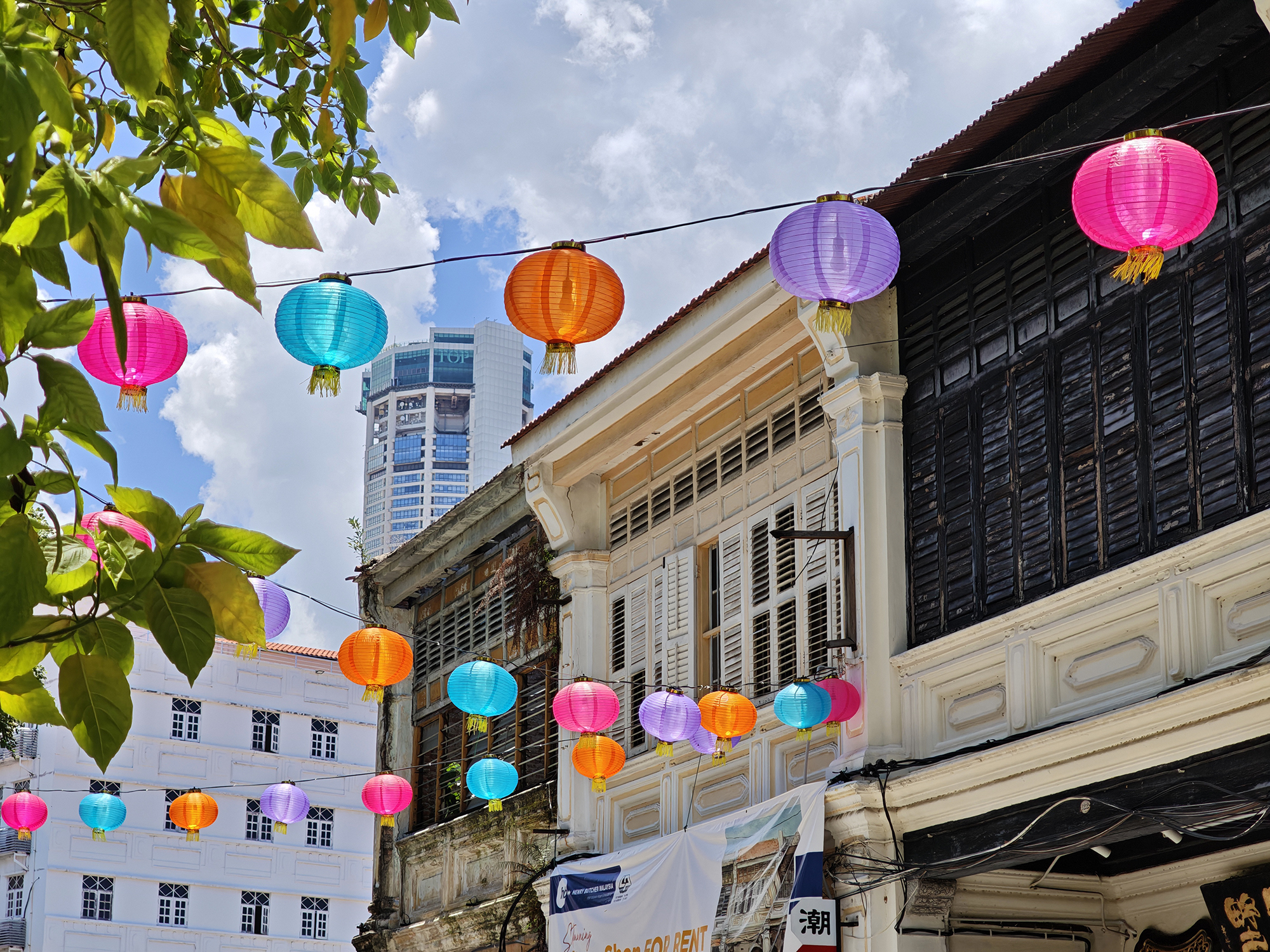
Colorful lanterns adorning Armenian Street during the Mid-Autumn Festival.
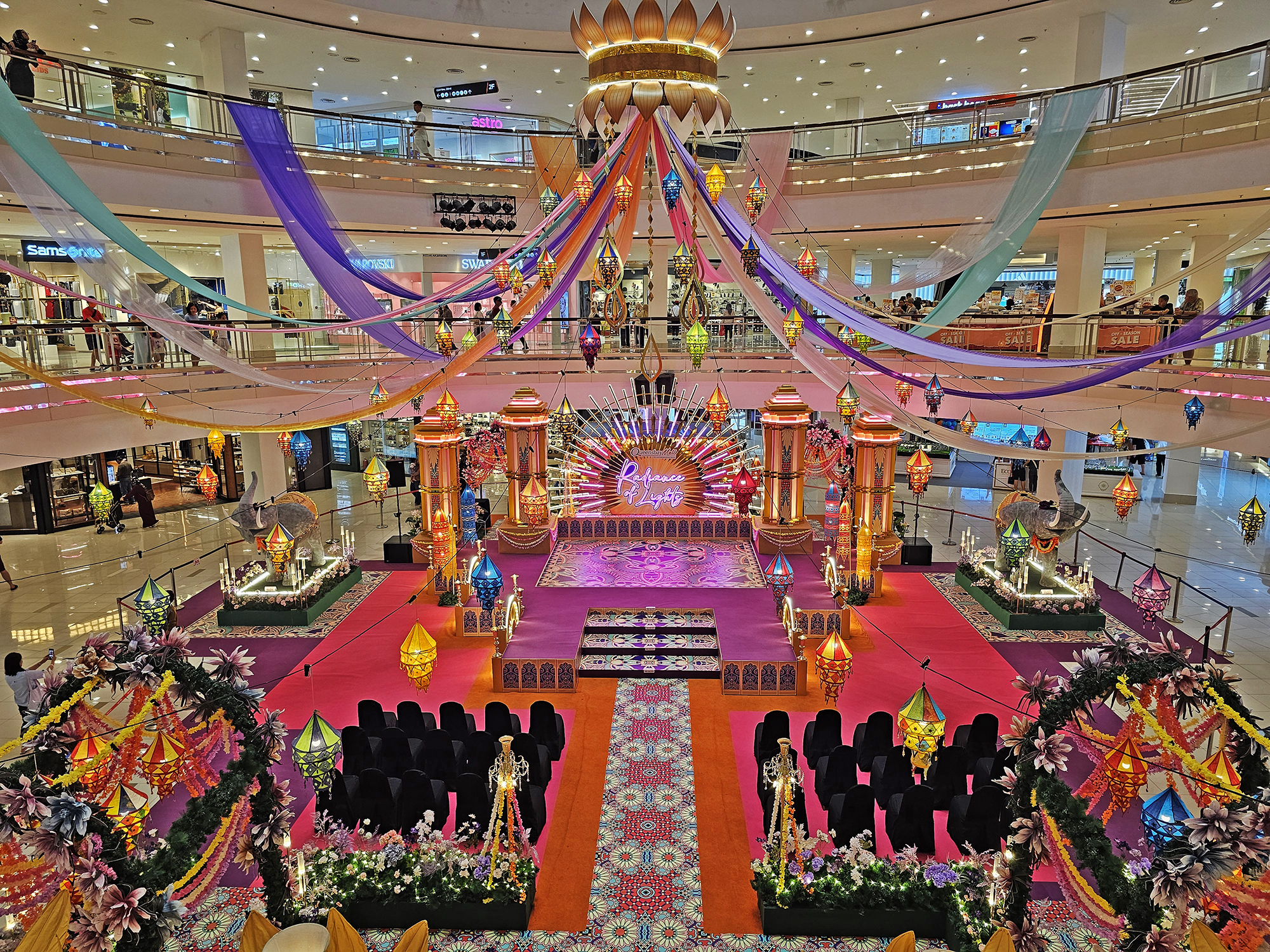
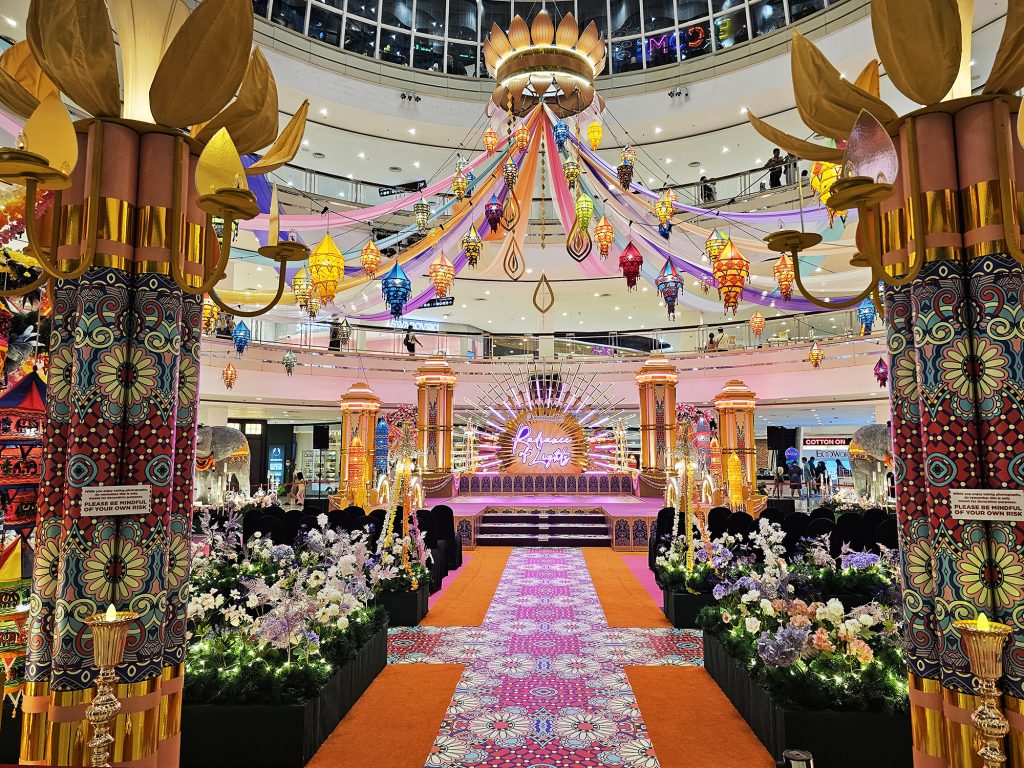
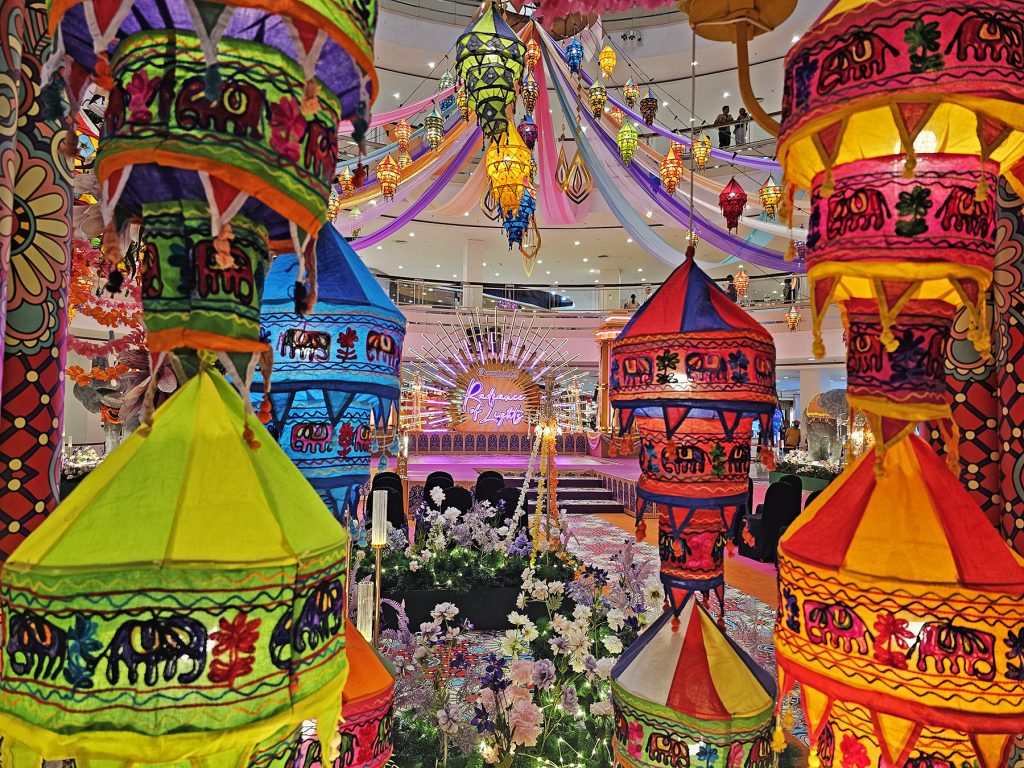
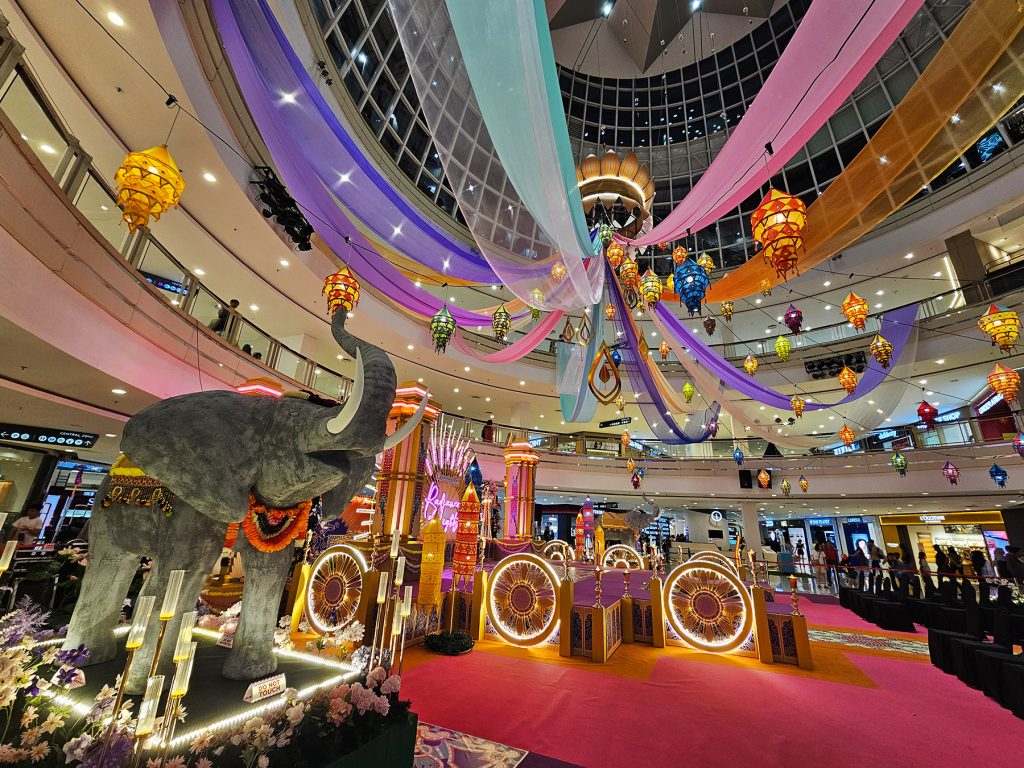
Queensbay Mall is celebrating Deepavali 2025 with its “Radiance of Lights” theme, transforming the central atrium into a vibrant tribute to the Konark Sun Temple. The space is beautifully decorated with glowing elephants, golden lotus flowers, and garden-inspired displays, creating a warm festive atmosphere. Visitors can also enjoy cultural performances like Odissi dance and Silambam, along with family activities such as rangoli contests and card-making workshops; making the festival a perfect blend of shopping, tradition, and celebration.
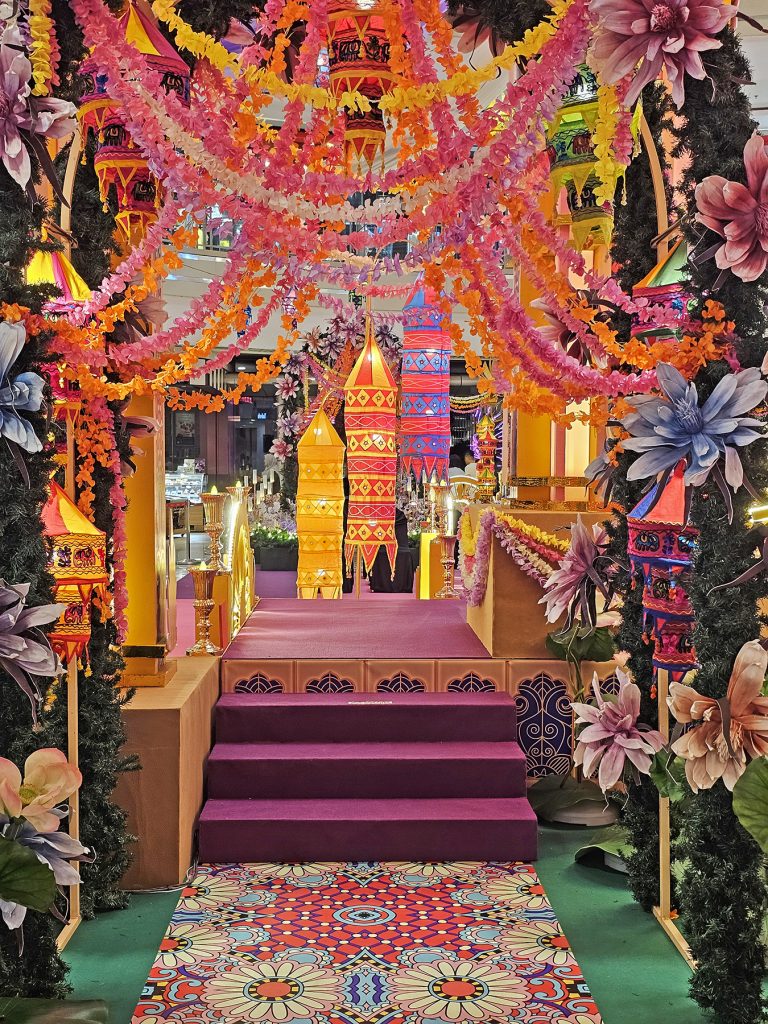

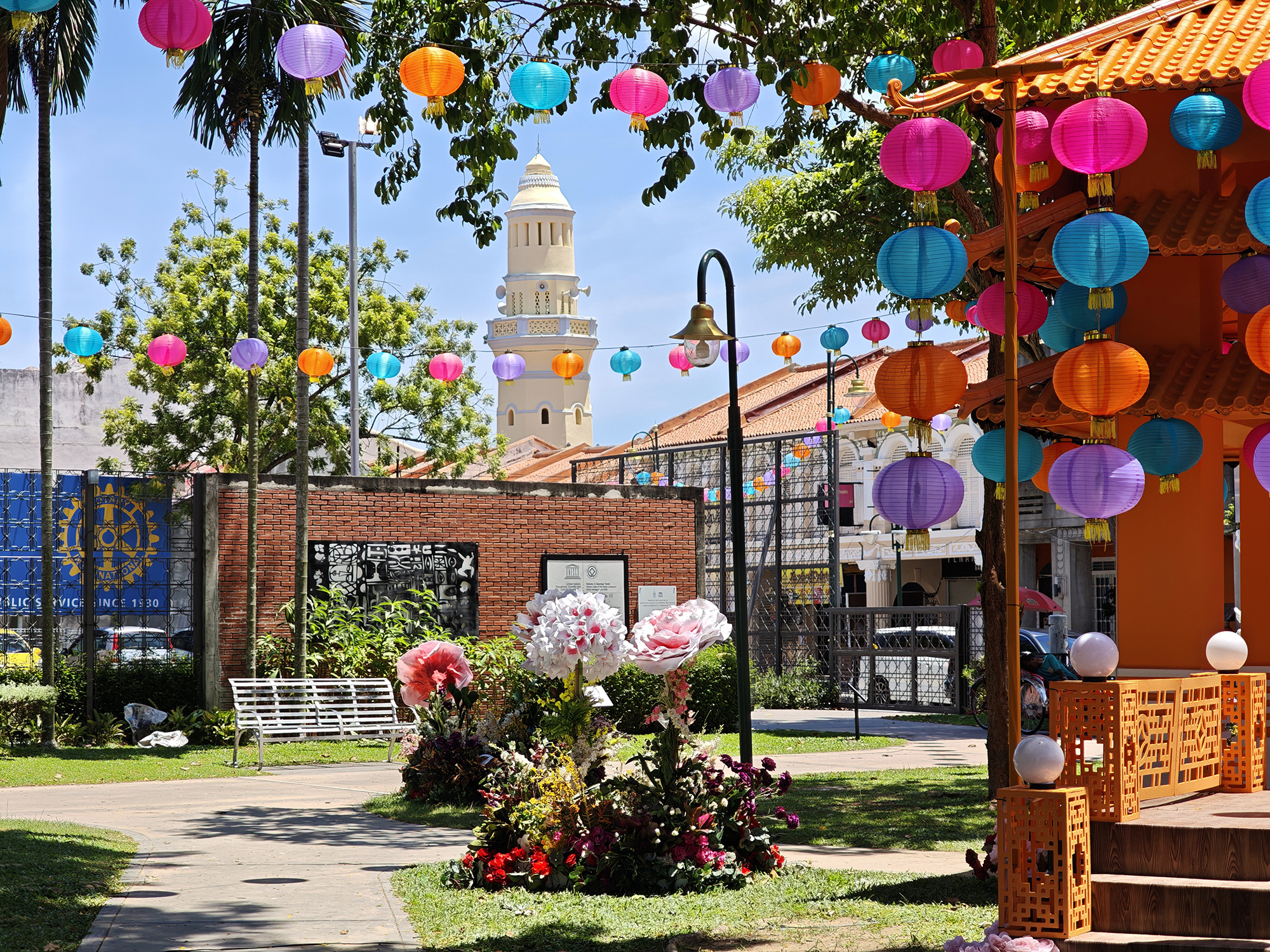
Armenian Park (in George Town) was transformed into a vibrant lantern wonderland during the Pesta Tanglung Tanjong 2025 Mid-Autumn Festival, with glowing lanterns, floral displays, and colourful arches making it a photogenic hotspot. Visitors flocked to the park with phones ready “selfies” or “wefies”, capturing the festive lights and decorative installations.


The atmosphere combined traditional elements (lanterns, mooncake vibes) with modern street festivity, creating a communal space of warmth, visual delight, and cultural celebration.

The newly restored western and southern moat at Fort Cornwallis at night. Together, both moats will form a water basin covering about 4,000 m², about 0.9 m deep, and holding roughly 3,600 cubic metres of water. The restoration uses traditional construction methods, with features like mechanical sand filters and bio-retention swales built into the design for ecological health and long-term stability. The project is part of Penang’s North Seafront Improvement Programme, with funding from the state government and partners like Think City and Yayasan Hasanah.


The Fort Cornwallis moat in Penang has undergone a major restoration set to be fully completed and opened to the public by July 2025, featuring the reinstatement of its southern and western sections to form a 4,000 square meter water basin about 0.9 meters deep, holding approximately 3,600 cubic meters of water. Using traditional building methods for long-term stability, the restoration includes ecological enhancements like a mechanical sand filter and a vegetated bio-retention swale, aligning with sustainable development goals. The project, costing around RM23.4 million and supported by the Penang state government, Think City, and Hasanah Foundation, also includes landscaping improvements, new visitor amenities, and a rebuilt food court adjacent to the moat, designed to complement the historic site.
This restoration revives the fort’s original defensive features from its 1804 construction, enhancing heritage conservation and turning the moat area into an attractive green public space and educational site for both locals and tourists, particularly timed to coincide with the George Town UNESCO World Heritage celebrations.


Originally constructed by the British East India Company in 1804 as a defensive measure during the Napoleonic Wars, the moat was filled in 1921 due to public health concerns (malaria) and construction developments.