Scenes from Kek Lok Si Temple (Kuan Yin Statue)

The Kuan Yin statue at Kek Lok Si is a towering bronze figure of the Buddhist Goddess of Mercy, standing about 30 meters tall on the hilltop above the main temple complex and sheltered by a grand three-tiered pavilion supported by 16 columns. Her serene pose and flowing robes look out over Penang, making her one of the most visually dominant landmarks of the entire temple.

One interesting fact is that this is actually the second Kuan Yin statue on the site: the original white plaster statue, completed in the 1970s–80s, was badly damaged by a fire in the 1990s and later replaced by the current, taller bronze version completed in 2002. Kuan Yin, known as Guanyin, is the Buddhist bodhisattva (often depicted as female) embodying infinite compassion and mercy, observing the world’s suffering to offer relief.

Scenes from Kek Lok Si Temple

For Chinese New Year 2026, Kek Lok Si Temple in Air Itam becomes Penang’s crowning light display, with more than 10,000 lanterns and LED decorations turning the temple into a “sea of light” from 13 February to 16 March, highlighted by a 7:00 pm lighting ceremony on 13 February that includes prayers and fireworks, plus nightly openings until midnight so visitors can soak in the festive atmosphere and religious activities throughout the lunar‑new‑year period.
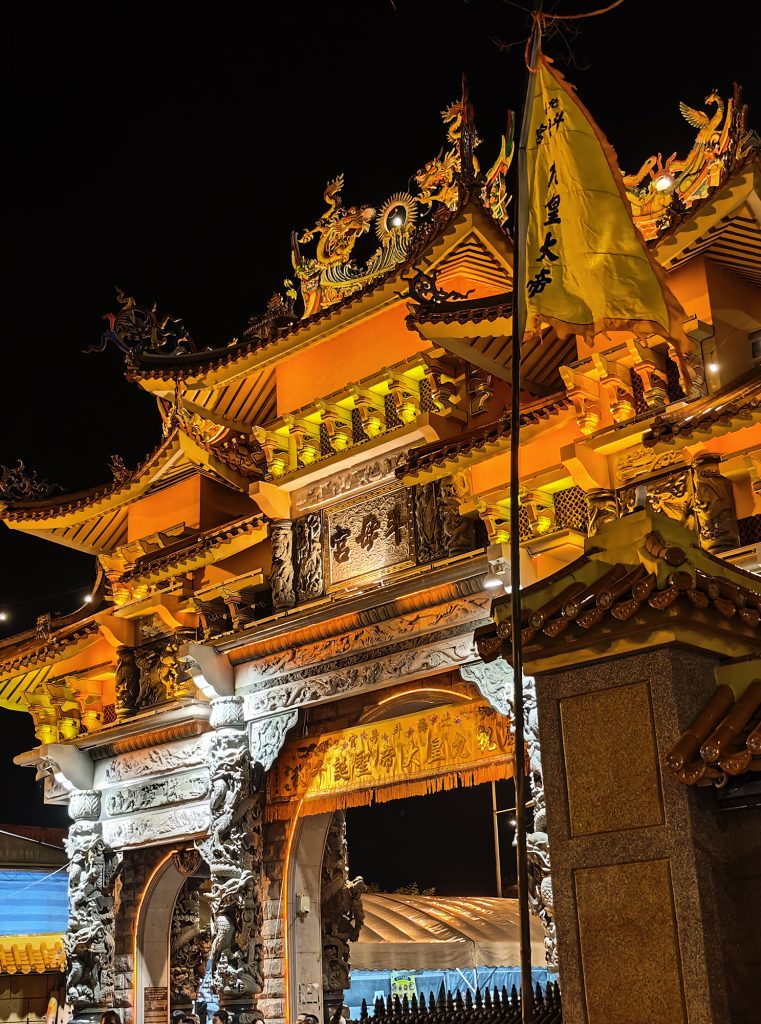
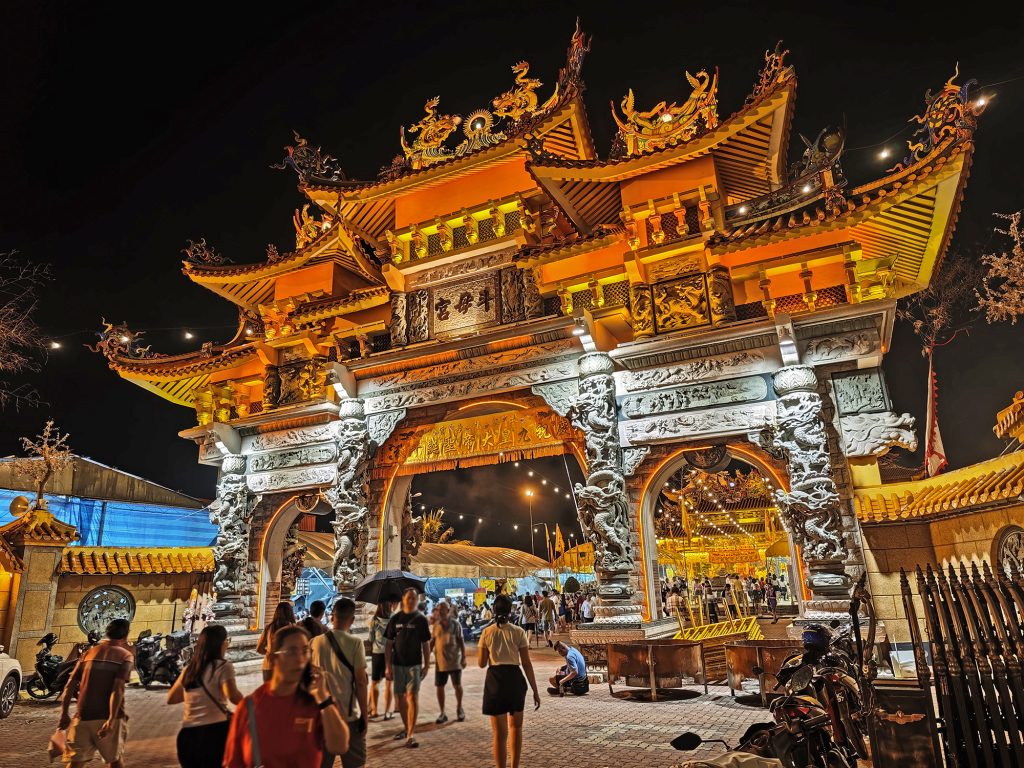
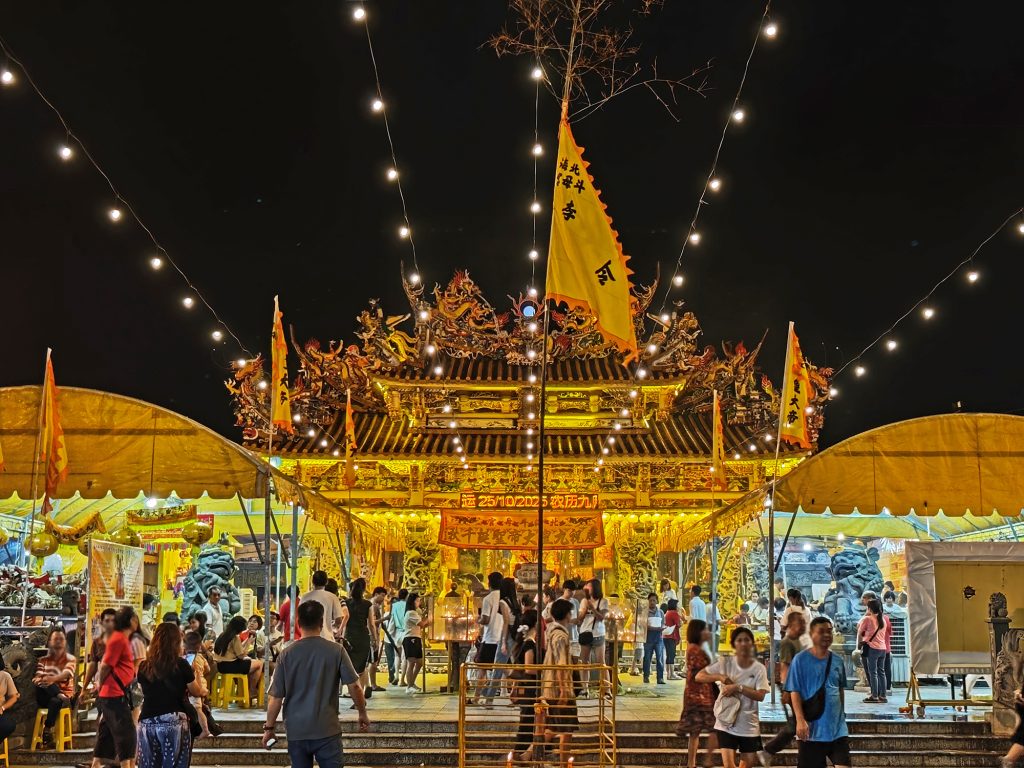
Tai Por Kong Temple

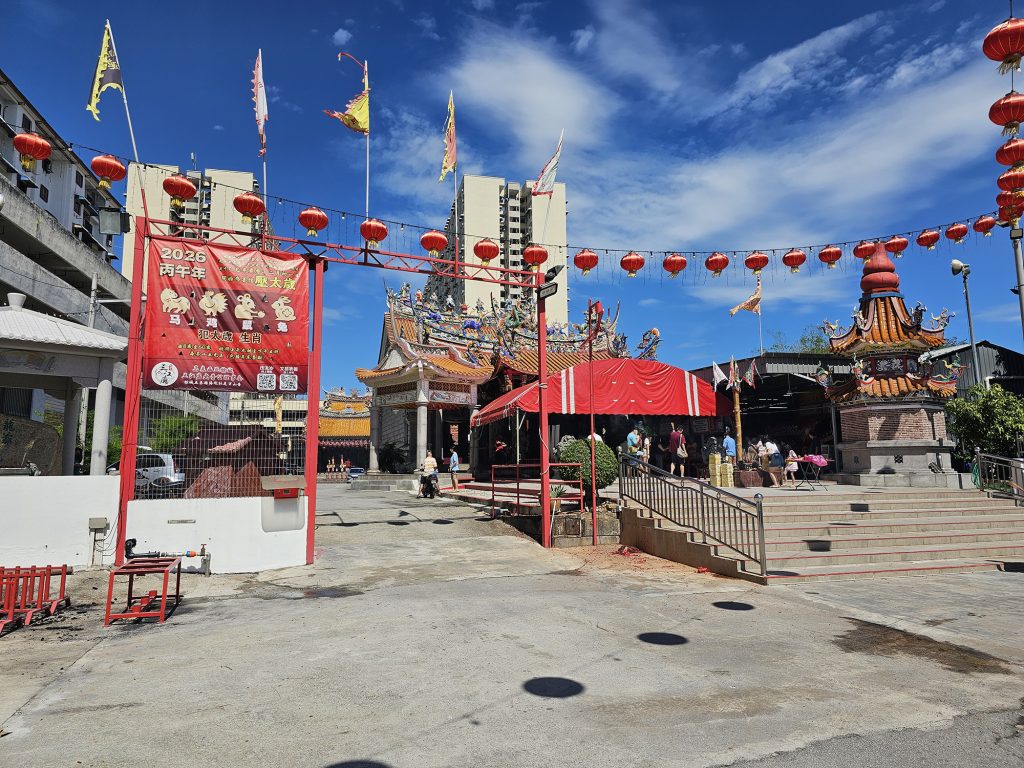
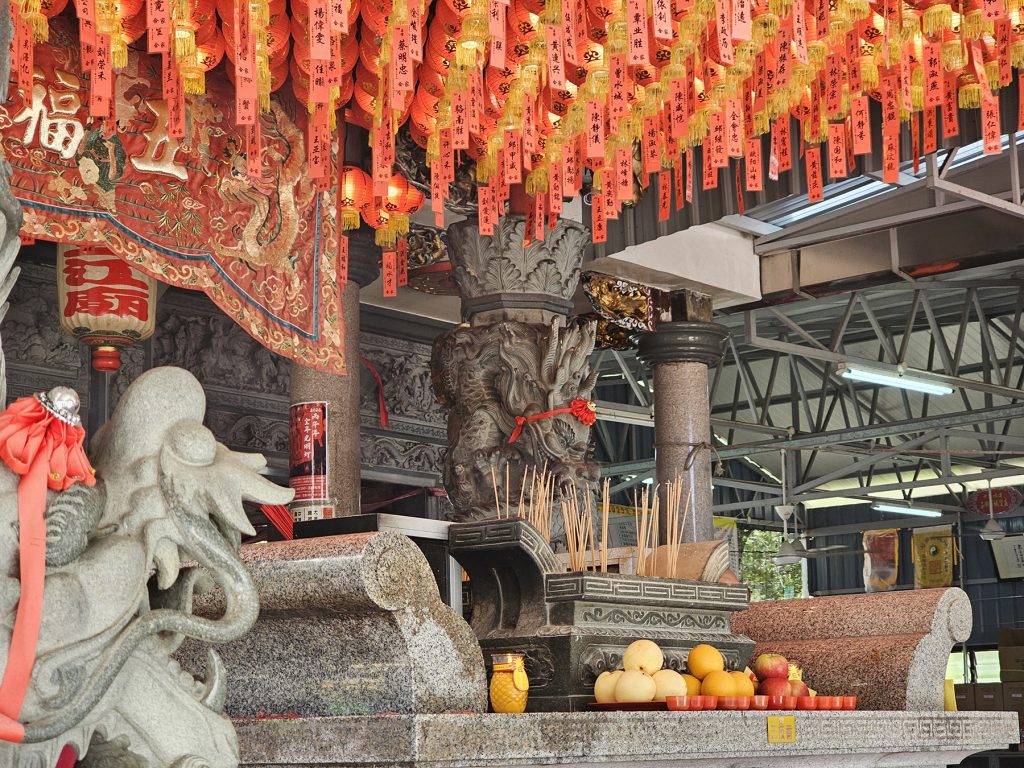
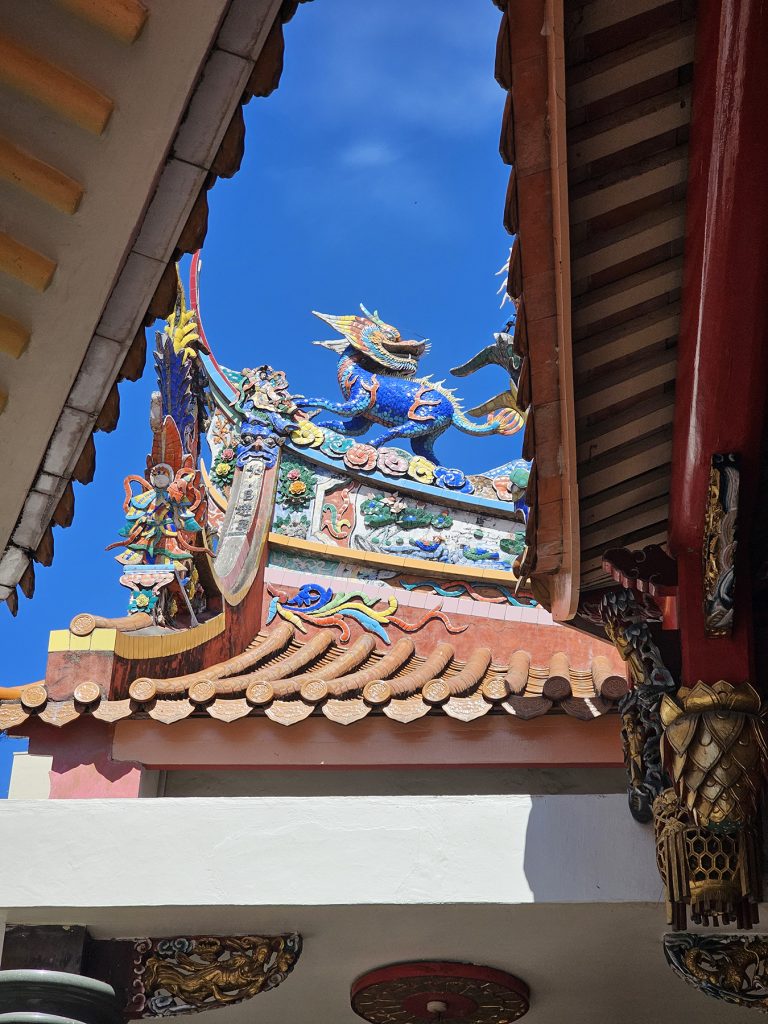
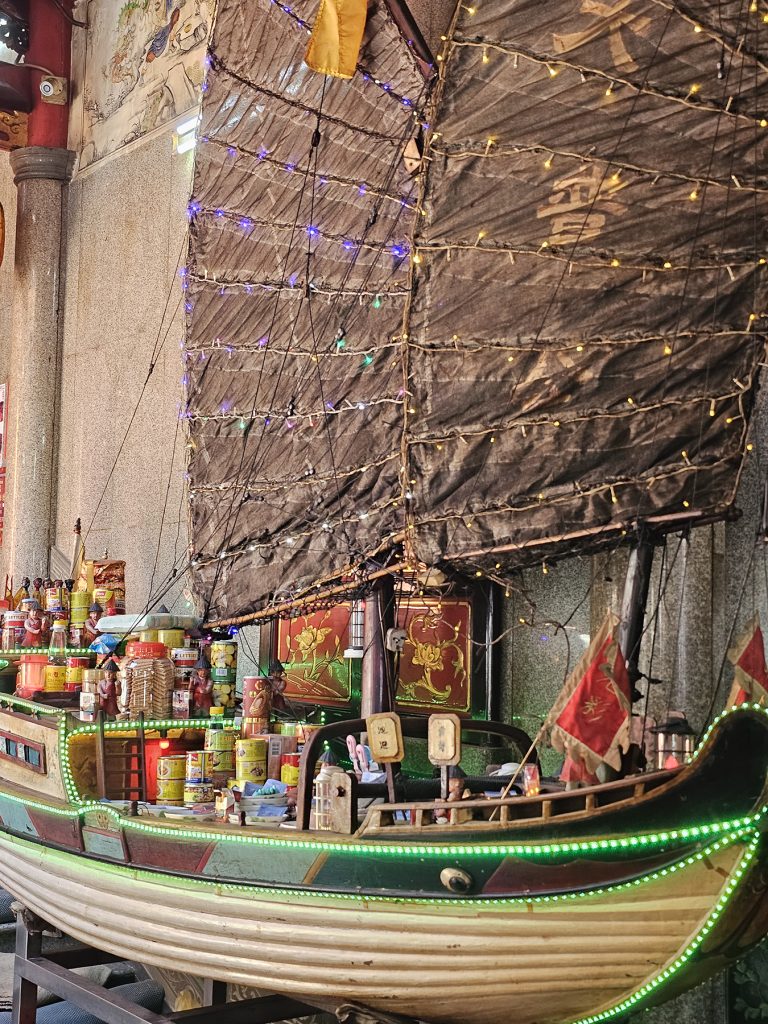
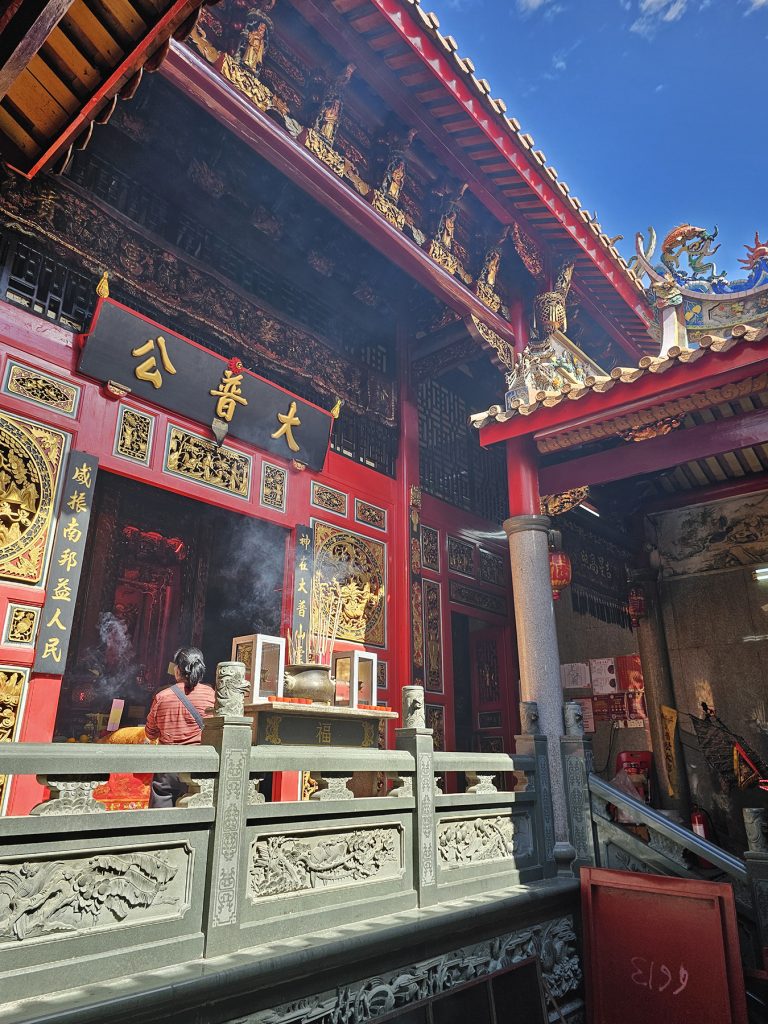
Tai Por Kong Temple in Penang commonly refers to San Jiang Temple (三江庙) at Macallum Street Ghaut, a Chinese temple that began as a small shrine founded in 1920 and was later rebuilt after fundraising when the old premises aged. It is associated with the Hui’an Hokkien community, and the name “San Jiang” is said to come from the original Tai Por Kong temple in Hui’an, China, which overlooks three rivers.
​The temple is also one of the famous temples that conducts the Tai Sui rite, especially during the Chinese New Year. A Tai Sui rite (拜太岁 / 安太岁) is a Taoist-style prayer/appeasement ritual done to seek protection, smoothness, and to “make peace” with the year’s Tai Sui (the annual celestial authority linked to the lunar year), especially if your Chinese Zodiac is believed to be “offending Tai Sui” that year.

Kek Lok Si’s Sea of Lanterns: Penang’s CNY 2026 Night Lights (13 Feb–16 Mar)

Kek Lok Si Temple in Air Itam, Penang, comes alive for Chinese New Year 2026 with a dazzling nightly light-up that turns the hillside complex into a glowing “sea of lanterns,” perfect for an evening visit and festive photos. The CNY light-up season runs from 13 February to 16 March 2026, with the official light-up ceremony on 13 February (7:00pm–8:00pm) featuring prayers and fireworks, and the lights typically shining nightly from 7:00pm to 12:00am throughout the period—making it one of Penang’s most iconic Lunar New Year traditions and a must-see stop if you’re on the island this season.

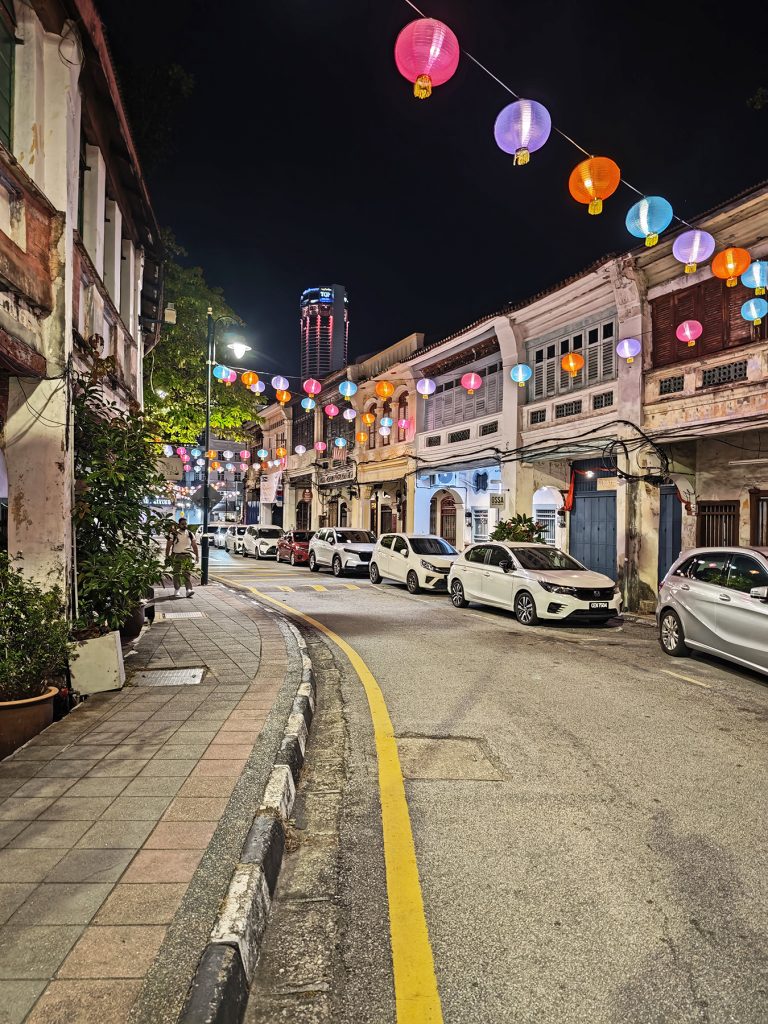
Armenian Street Lanterns

Armenian Street comes alive at night in this cozy, lantern-lit scene, where rows of glowing red Chinese lanterns float above the narrow lane and warm streetlights bounce off the old shophouse walls. The bright yellow road markings lead your eye into the distance, while little details (plants by the gates, hanging wires overhead, and small storefront corners) give the street its lived-in Penang character.

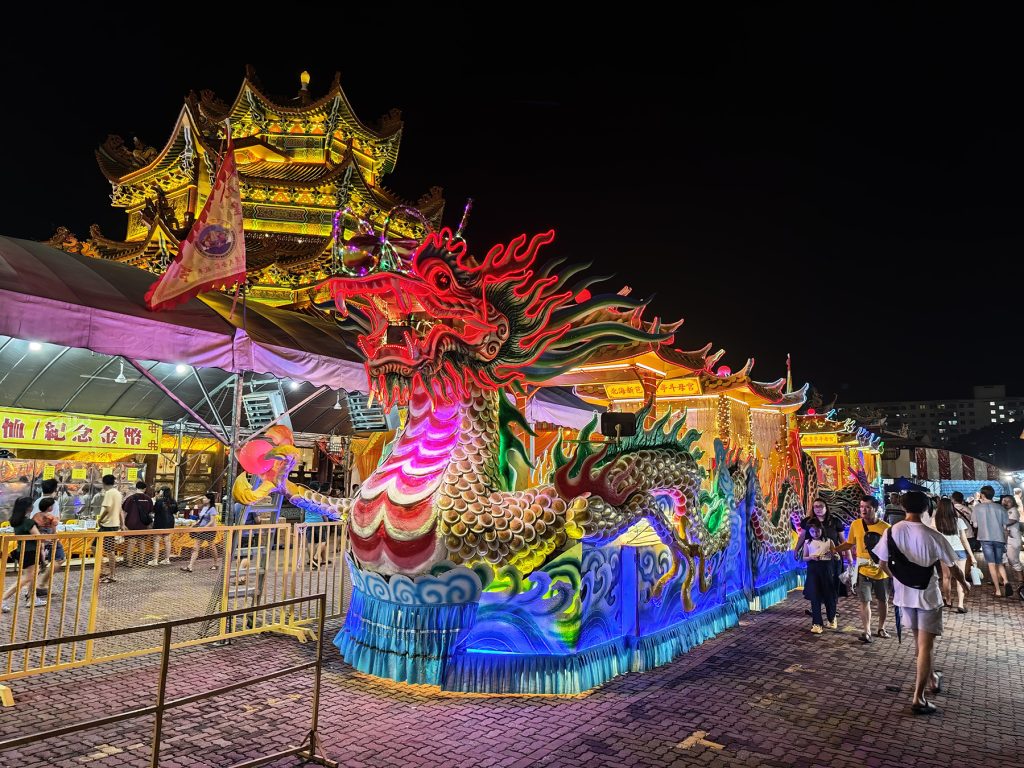
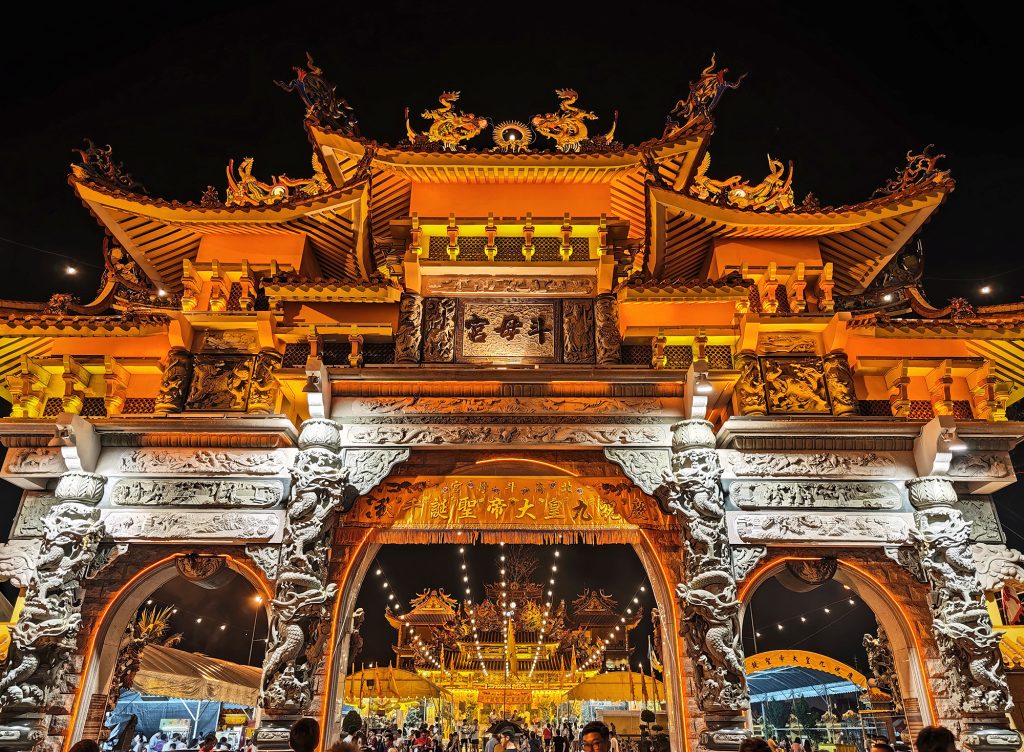
The Nine Emperor Gods Festival

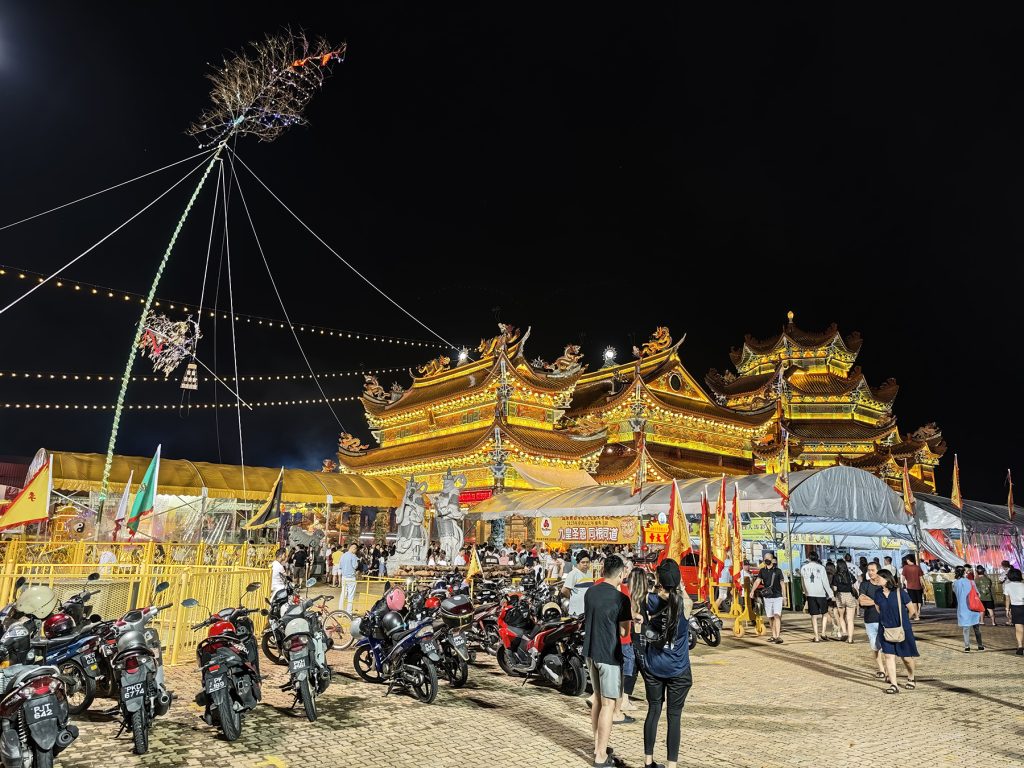
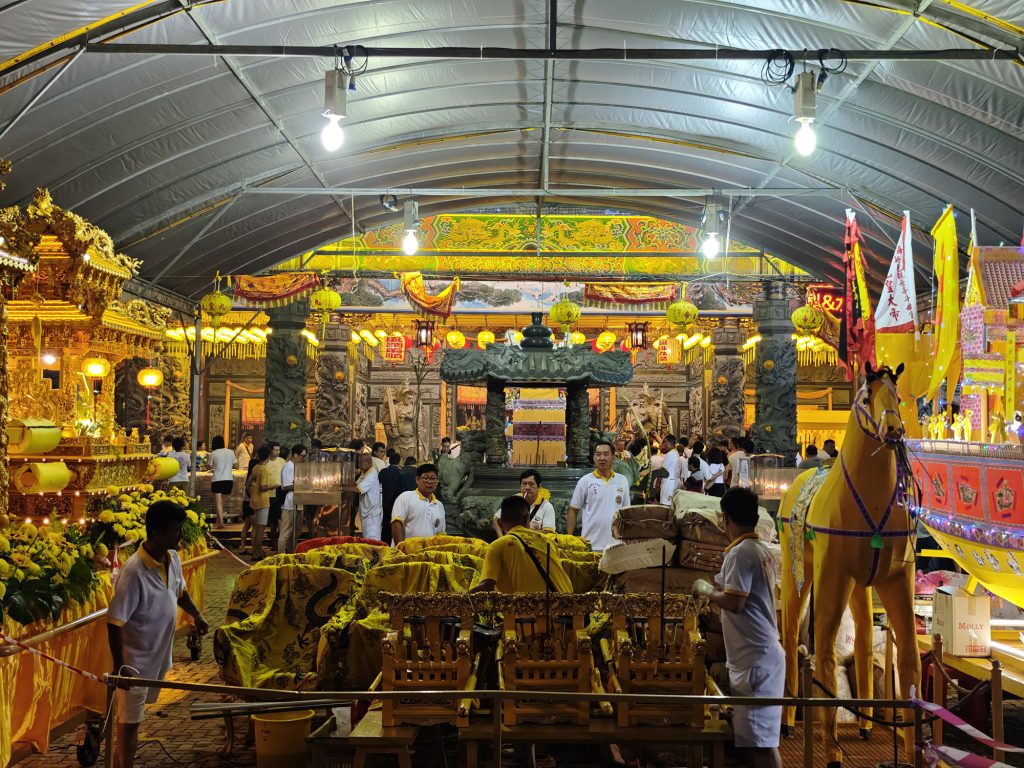
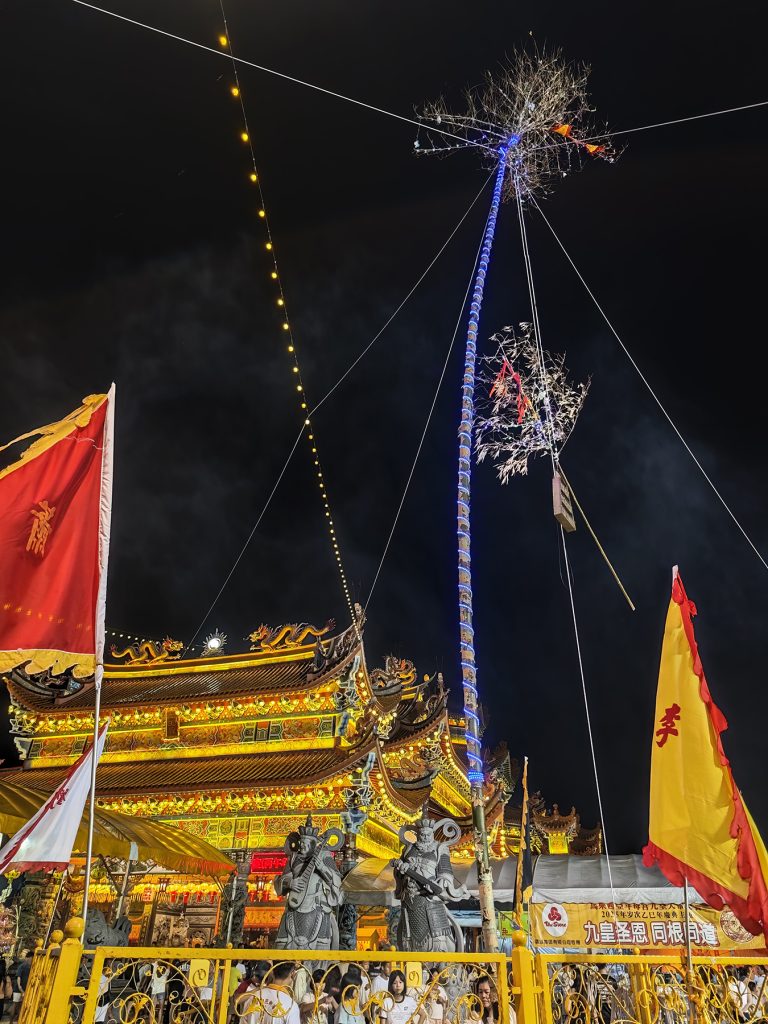
The Nine Emperor Gods Festival is a major Taoist celebration held during the ninth lunar month, honoring nine deities believed to control the movements of planets and bring good fortune. In Penang, especially at temples like Tow Boo Kong in Raja Uda, the festival is marked by vibrant rituals, long processions, vegetarian food offerings, and the lighting of massive incense sticks. Devotees often observe a nine-day vegetarian diet as an act of purification and devotion. The celebration is both spiritual and cultural, filling the streets with color, music, and prayers.

The Nine Emperor Gods Festival is steeped in legend and ancient Chinese cosmology. According to Taoist belief, the Nine Emperor Gods (known as Jiuhuang Dadi) are celestial beings representing the nine sons of Dou Mu, the Goddess of the North Star, who governs the universe and controls the life and death of mortals.

One of the most popular legends tells that the festival originated during China’s Qing Dynasty, when a secret society of devotees prayed to the Nine Emperors for protection against oppression. When the prayers were answered, the people began holding annual rituals to honor the gods.

During the festival, devotees welcome the gods on the eve of the ninth lunar month with a ceremonial procession to the sea or river, believed to be the portal through which the deities descend to Earth. After nine days of prayers, offerings, and vegetarian observance, the gods are sent back to the heavens through another water procession.

Tow Boo Kong Temple (Nine Emperor Gods)

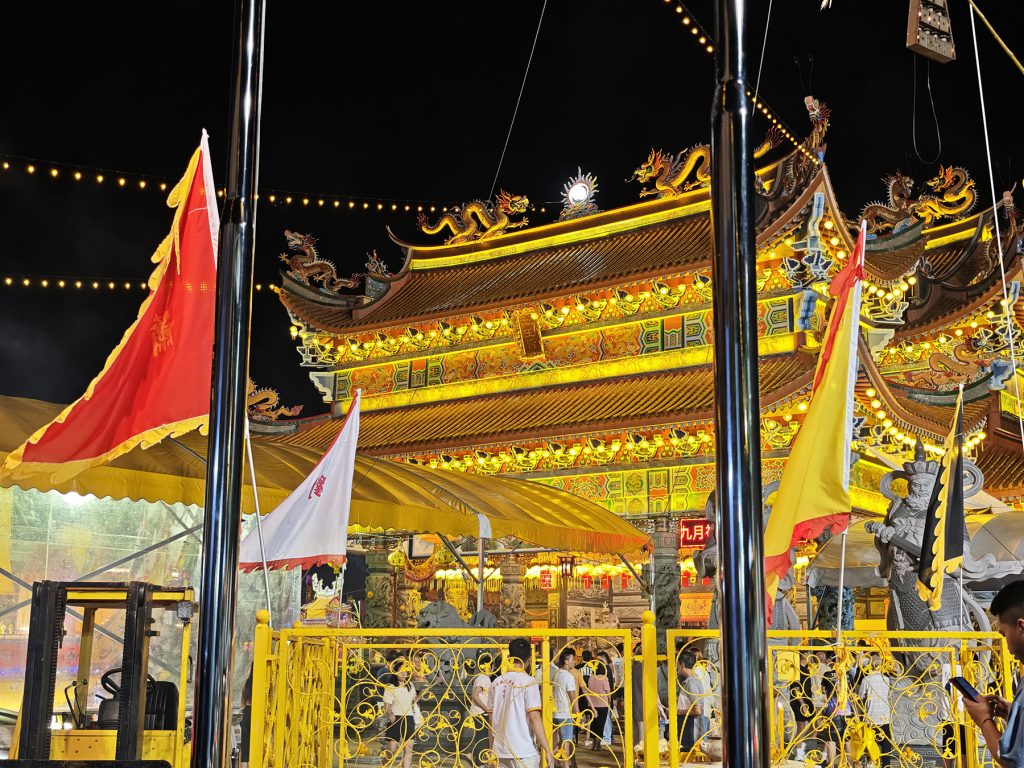
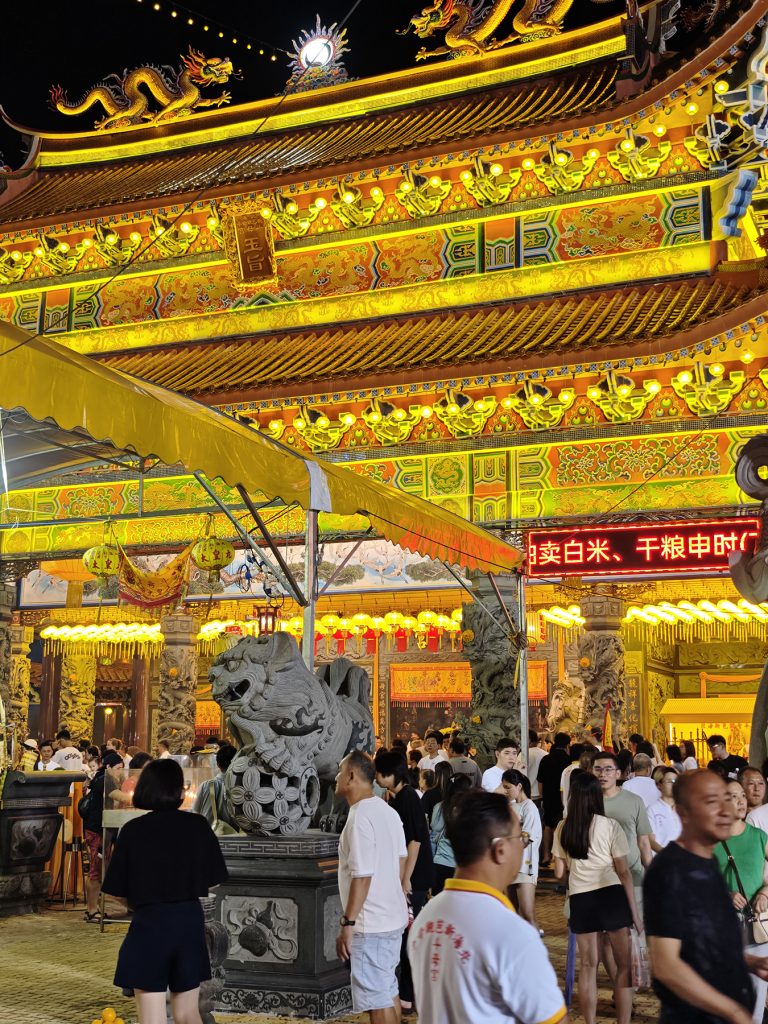
The Tow Boo Kong Temple in Raja Uda, Butterworth, is one of Penang’s largest and most impressive Taoist temples, dedicated to the Nine Emperor Gods. What began as a small shrine in the 1970s has grown into a grand complex featuring ornate dragon pillars, intricate carvings, and a beautifully landscaped courtyard. The temple becomes especially lively during the Nine Emperor Gods Festival in the ninth lunar month, drawing thousands of devotees and visitors for prayers, processions, and cultural performances that fill the streets with color and devotion.

Armenian Street View at Night

Despite its name, Armenian Street (Lebuh Armenian) was not originally settled by Armenians. It was named after the small Armenian community that once lived there in the early 1800s, who were influential traders and philanthropists in Penang. Interestingly, the famous Eastern & Oriental Hotel was founded by the Armenian Sarkies Brothers, who also established Singapore’s Raffles Hotel.

Today, the street is a UNESCO heritage hotspot known for its murals, cafes, and historic shophouses.

Wisma Kastam (formerly the Malayan Railway Building)

Wisma Kastam (formerly the Malayan Railway Building), was completed in 1909 in George Town, Penang, and designed in Edwardian Baroque style by the British architect Arthur Benison Hubback. Though it was built as a railway terminus, it never housed any actual train tracks—passengers would come to the station, then take a ferry across to Butterworth instead.

Over time, it served many functions: offices, a clock tower, customs building, waiting hall, and more. Because of its utilitarian role without actual rail lines, locals refer to it as a “ghost station.” It has now been granted Grade I heritage status and is under new leaseholders, with efforts to preserve its architecture and legacy.

The building is located along China Street Ghaut, and is also known as the “Big Ben” of Penang.