Penang Isle: A Chinese Procession

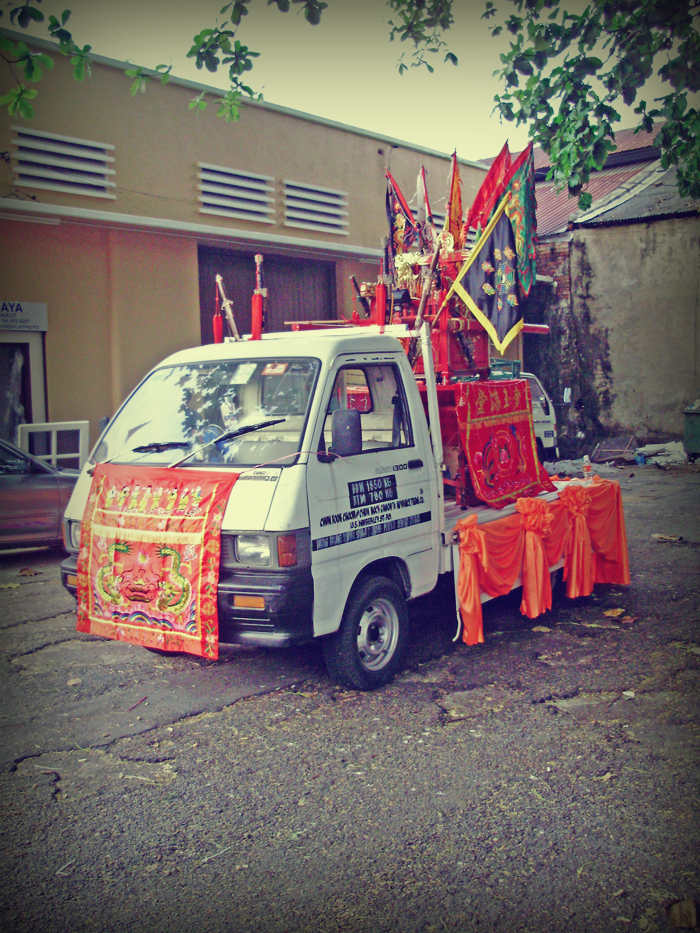
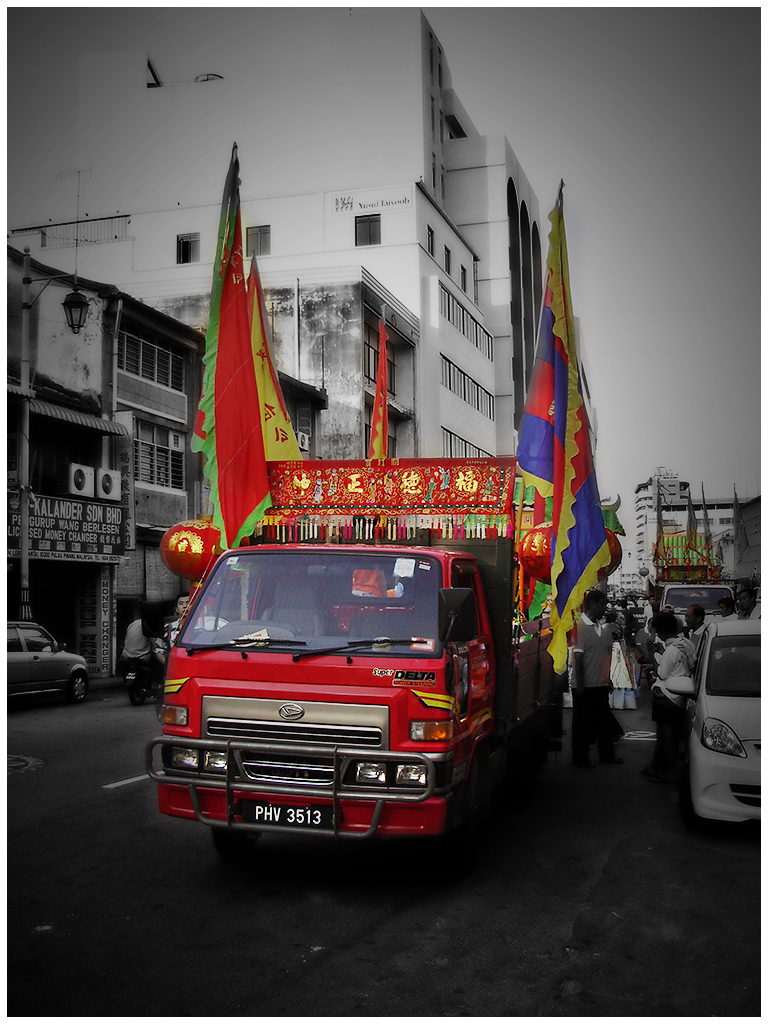
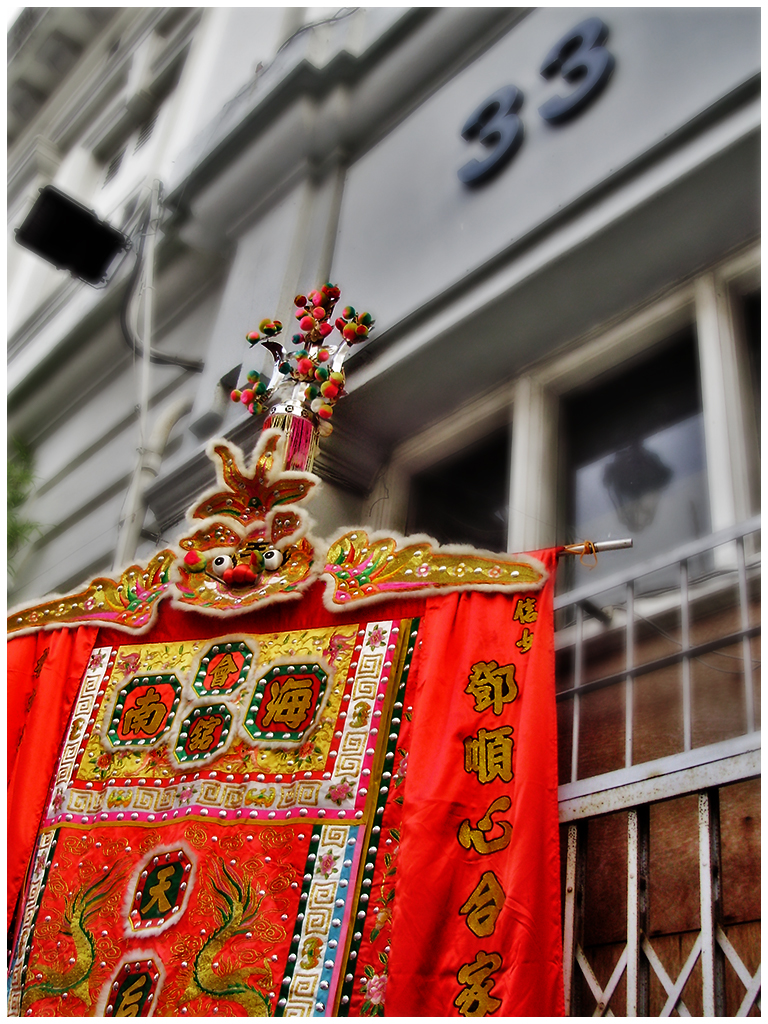
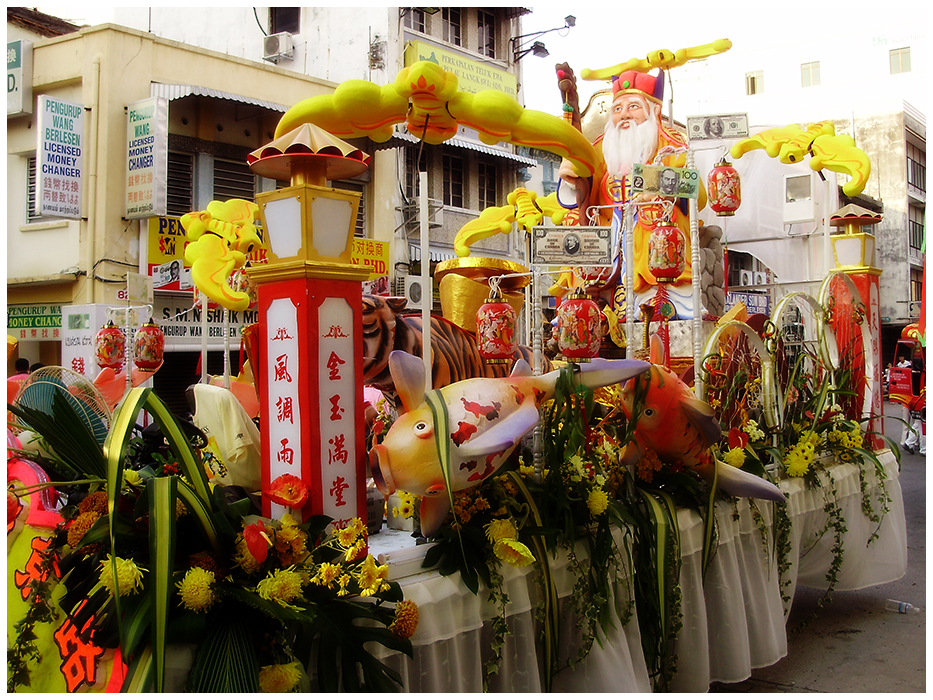
The ‘Tua Pek Kong” grand float procession was held by the management of Poh Hock Seah in 2010, the last of such event was held back in 1998. The procession was held once every 12 years (during the Tiger year of the Chinese zodiac).

Tua Pek Kong is one of the pantheon of Malaysian Chinese Gods. It was believed that Tua Pek Kong arrived in Penang 40 years before Francis Light’s arrival.

Penang Isle: Gurney Drive

Gurney Drive is a popular seafront promenade in Georgetown, Penang, Malaysia. The road is also one Penang’s most popular tourist destinations, famous for the “hawker food” sold from food stalls formerly located along the seafront, now relocated close by. Previously known as the New Coast Road, it was completed in 1936 along what was then known as the North Beach, and renamed in 1952 after Sir Henry Gurney, British High Commissioner in Malaya (1950-1951).

Over the years, the beaches along Gurney Drive have largely been lost to coastal erosion. More recently, a land reclamation project at nearby Tanjung Tokong has reversed the erosion, leading to the accretion of silt and mud off Gurney Drive. Mangrove saplings have sprouted in the mud, which is now frequented by egrets and other birds as well as mudskippers.

Penang Isle: Ayer Itam Dam

The Ayer Itam Dam is the first dam to be built in Penang and was officially opened in 1962 by the (then) Governor of Penang, TYT Y.M.Raja Tun Uda Al-Haj bin Raja Muhammad. Besides being one of the water sources of the island, the dam is also a popular recreation area with the locals.

Penang Isle: Old Central Fire Station

This Beach Street fire station was opened for operations in 1909, one of the only two fire stations on the island at that time.  Before this, the policemen were the only paid force on call to put out fires. It is also considered as a landmark in the area with its four-storey tower which was designed and built with both western and mughal influences.

Penang Isle: The CHEW Jetty

A Brief Info

The CHEW Jetty is a settlement of wooden houses built on stilts and the name “CHEW” is the surname (the first name) of the residences and that’s where the name was derived. Migrant’s families with this surname would live together in this area. The CHEW jetty is now one of the popular tourist attractions on the island. Wooden platforms connect the houses supported by stilts on the waters. Visitors can even go for a homestay at the village for an unique experience.