Penang Street Art (Okinawan Mythology Murals)

art152b

art152c

art152d

art152e

The Okinawan Mythology Murals located at a back alley of Stewart Lane were painted by Japanese artist Takayuki Miyazono. The murals tell the story of a common Okinawan folklore on Kijimuna (キジムナー). Kijimuna are said to be small wood spirits according to Okinawan mythology. They are said to live in trees, commonly on the banyan tree and are often described to look like a child with red hair covering their bodies and large heads.

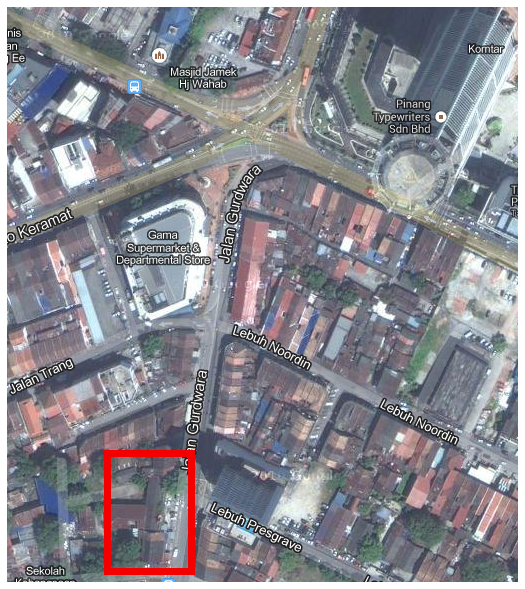
Go here for the location of the street art mural; http://travel2penang.wordpress.com/2014/04/12/penang-street-art-map-part-6/

Penang Street Art (‘Earth and Environment’ Murals)

art142

art144

art151

art150

art149

art148

art147

art146

art145

A series of art mural or paintings on the back of the walls of Hutchings School, George Town which seem to touch on nature and environmental topics. These murals can be found at the back alleys of Stewart Lane or if one walks towards the end of Argus Lane from Love Lane.

Go here for the location of the street art mural; http://travel2penang.wordpress.com/2014/04/12/penang-street-art-map-part-6/

Penang Street Art (Stewart Lane Murals)

The back alley of Stewart Lane behind the walls of Hutchings School is now the home to two different sets of art murals; the first set being painted by an artist with the initial “Edd” and the second set of murals painted by Japanese artist Takayuki Miyazon.

art143
Earth and Environment Murals

art152a
Okinawan Mythology Murals

Penang Street Art (The Bread Seller)

art140
This steel sculpture can be found on a wall of a shophouse along King Street, part of the Little India area in George Town. The caricature depicts a local ‘Roti Benggali’ (or Benggali Bread) seller and what it means by the word ‘Benggali’. The freshly baked and rather big loaf Benggali bread is popular among the locals here, usually sold from a small makeshift stall on a motorcycle. It was said that the bread derived its name from the word ‘Penggali’, which basically means ‘shareholders’ in Tamil. The bread business was started by an Indian Muslim together with his group of friends (a co-op business) back in the 1930s. Local residents later mistook the name to be ‘Roti Benggali’ and the bread has been called as such ever since.

Penang Street Art (Children from the Window)

art139

A wall art mural of a local pastry shop ‘Ming Xiang Tai’ which is located along Armenian Street Ghaut. This painting which depicts two children trying to reach out to the buns basket on the bicycle can be found on a wall facing CF food court, further down the road from the giant cat mural.

Here is the location map of this mural (click on the map for a larger view);

childrenwindowmap

Ernest Zacharevic’s “Art is Rubbish/Rubbish is Art”

zacha01

zacha02

zacha03b

zacha08

zacha07

zacha06

zacha05

zacha04

zacha13

zacha12

zacha11

zacha10

zacha09

zacha14

zacha16

zacha17

zacha15

Art is Rubbish/Rubbish is Art is an ongoing art exhibition displaying the fine works of Ernest Zacharevic (the artist who helped propelled Penang into a street art sensation). The exhibition is open to the public for free and will be running from 17 January until 14 February. This first solo exhibition by the artist will feature a number of his popular art pieces and will be held at the Hin Company Bus Depot, a former bus depot site in George Town which has been abandoned for a long time. For more info, please visit the Facebook page HERE.

For the Map/Location of the bus depot:
hindepotmap